Alice Stallknecht’s Murals of a New England
During the 1930s and 1940s, artist Alice Stallknecht created a series of murals that combined religious imagery with portraits of the people, occupations and institutions of Chatham. Rather than placing biblical figures in a distant historical setting, she presented Christ as a contemporary working man surrounded by recognizable members of the local community.
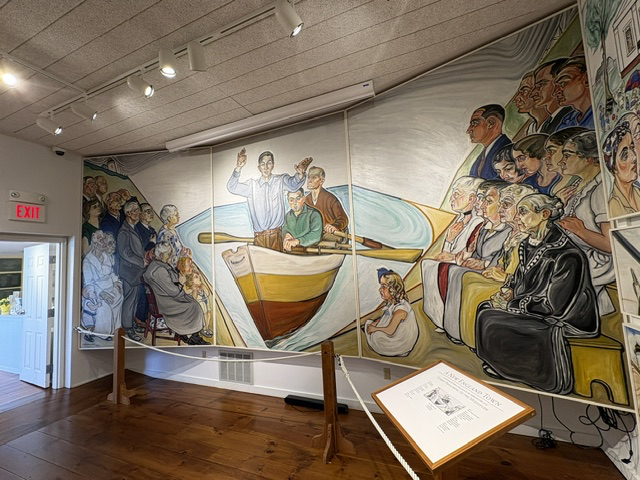
Her first major mural, Christ Preaching to the Multitude, was painted during the early 1930s for the First Congregational Church of Chatham. Christ is represented by a local fisherman who delivers his message from a dory. The congregation gathered around him consists of people Stallknecht knew in Chatham, connecting the traditional biblical scene with the town’s maritime identity.
Her second mural cycle, The Circle Supper, was created between 1935 and 1943. Composed of nineteen separate canvases, it depicts a communal church supper attended by members of the congregation. Christ offers the blessing while the townspeople sit together as equals. Stallknecht viewed these shared meals as an expression of democracy—a place where everyone could be welcomed, fed and seated together.
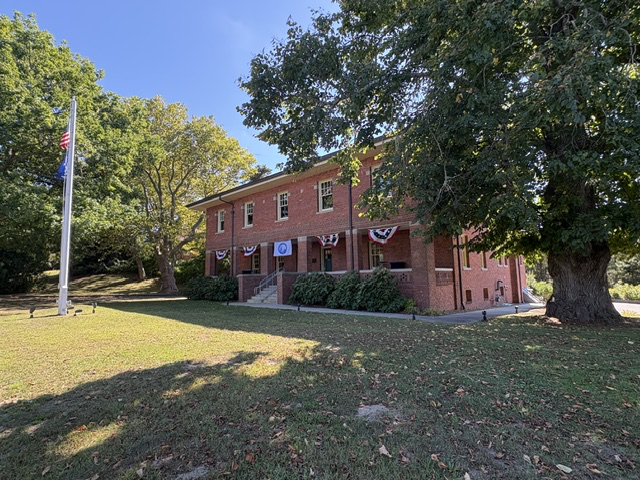
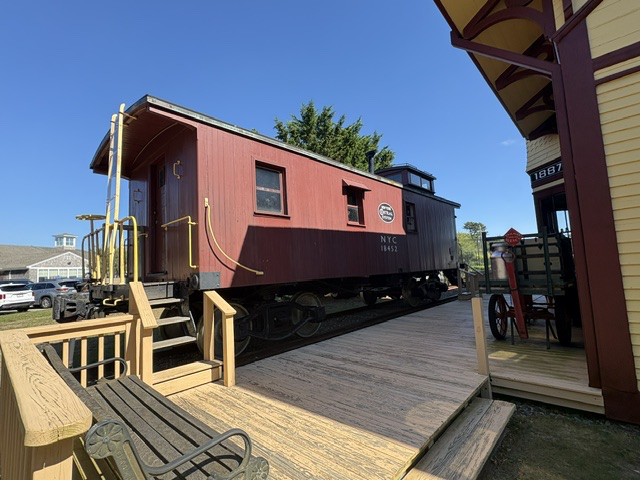
After the church requested that the murals be removed in 1943, Stallknecht purchased an abandoned railroad freight building and moved it to her property. The building provided a permanent setting for the paintings and space for another mural cycle.
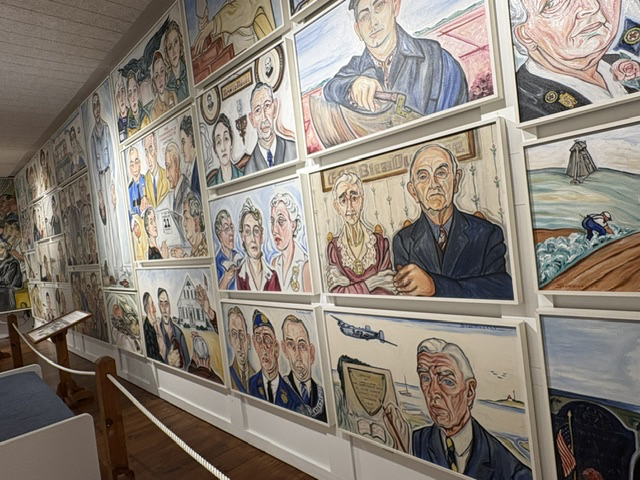
Completed in 1945, Every Man to His Trade consists of thirty canvases portraying the working life of Chatham. Fishermen, lobstermen, shell fishermen, shipwrights, teachers, veterans, scouts and town officials appear alongside local churches, schools, boats, cemeteries and public buildings. Christ stands among them as a carpenter, emphasizing the dignity of labor and the spiritual value Stallknecht associated with ordinary work.
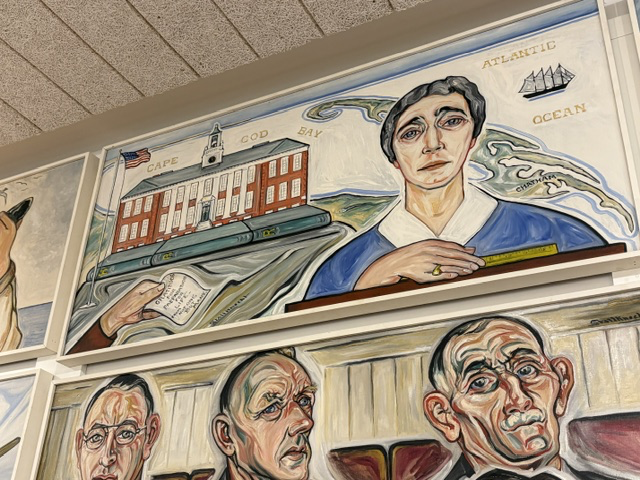
The murals form a collective portrait of Chatham during the years surrounding the Great Depression and the Second World War. The faces belong to people who lived in the community, while the occupations and settings document the economic, religious and civic life of the town. Together, the murals preserve Stallknecht’s distinctive interpretation of a New England community.
Read More From Nancy
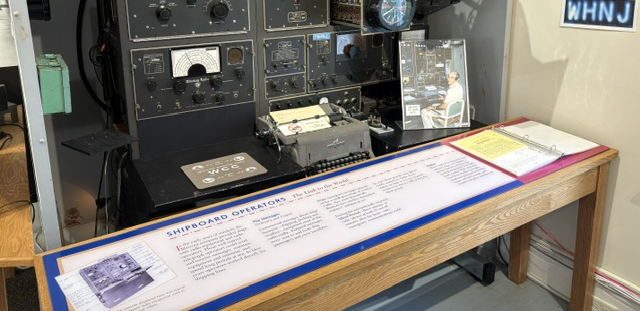
SS HOPE Shipboard Radio
The shipboard radio station from the SS HOPE, preserved at the Marconi-RCA Wireless Museum, represents the vital communications link between a ship at sea and the world on shore. The vessel began its service as the USS Consolation, a United States Navy hospital ship commissioned in 1945. It treated wounded service members during the Korean War and […]
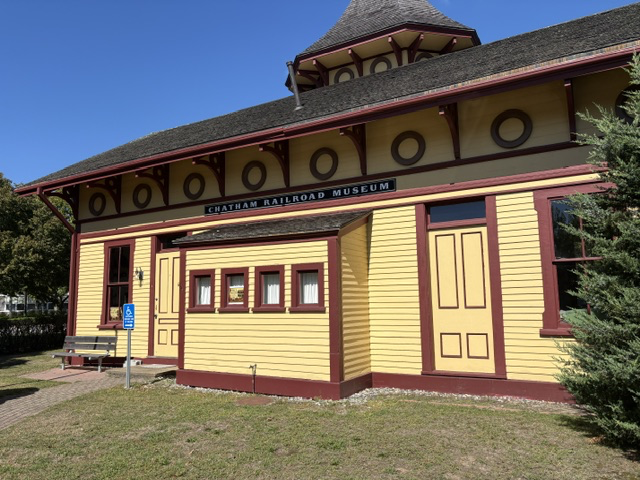
Chatham Railroad Museum
For much of the nineteenth century, Chatham’s location at the southeastern end of Cape Cod made travel and commerce difficult. Residents depended upon coastal vessels, horse-drawn transportation and long overland journeys to reach other communities. Although railroads began serving other parts of Cape Cod earlier in the century, Chatham waited decades for a direct connection. […]
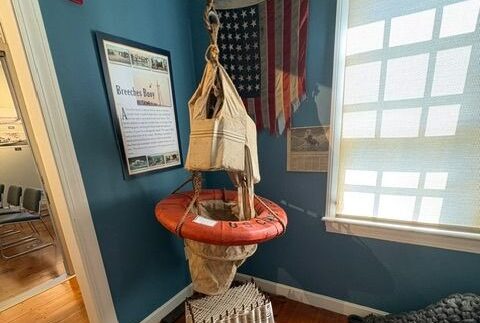
The Breeches Buoy
A life ring with a pair of canvas trousers attached may seem an unlikely means of escaping a shipwreck. Yet the breeches buoy offered a way to bring people safely ashore when a stranded vessel was within reach of land and the surf made launching a rescue boat too dangerous. The exhibit in Chatham preserves […]

