Martha J. Coston and the Signals That Saved Lives
Before radio, ships traveling at night had few reliable ways to communicate with one another or with people on shore. Flags could not be seen in darkness, and lanterns lacked the brightness and distinctive patterns needed to carry clear messages across long distances. Martha J. Coston helped solve this problem by developing a system of colored pyrotechnic signals that transformed maritime communication.
Coston was widowed at the age of twenty-one and left to support four children. Among her late husband’s papers, she discovered plans for a nighttime signaling system that he had begun while working for the United States Navy. The idea was incomplete, but Coston recognized its potential. Although she had little formal knowledge of chemistry or pyrotechnics, she spent nearly a decade working with chemists, fireworks manufacturers, and naval officials to make the system practical.
Her signals used combinations of brilliant colors to create messages that sailors could recognize from a distance. In 1859, she secured a United States patent for the system through her late husband’s estate. She later patented improvements in her own name and established a company to manufacture the signals.
The United States Navy adopted Coston signals during the Civil War, using them to communicate between vessels and coordinate naval operations. The United States Life-Saving Service also equipped its coastal stations with the flares. Surfmen used them to warn ships of dangerous conditions, summon rescuers, and communicate with vessels in distress. Along the exposed coastline of Cape Cod, a dependable nighttime signal could mean the difference between confusion and a coordinated rescue.
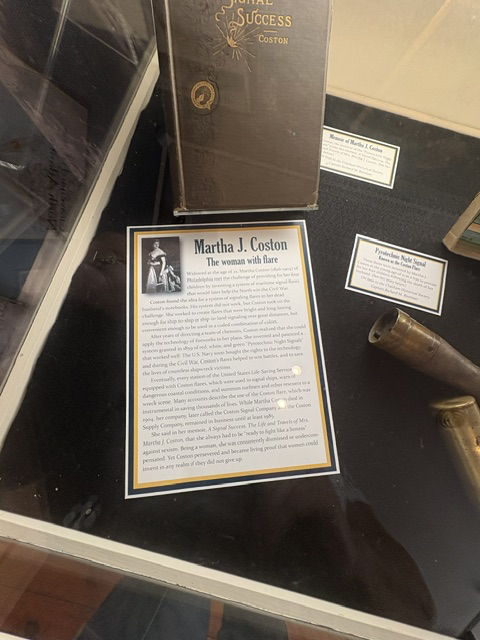
Coston later described her work and travels in her 1886 autobiography, A Signal Success. Her signaling system remained in maritime use for decades and demonstrated how persistence and practical innovation could improve communication and safety at sea.
Read More From Nancy
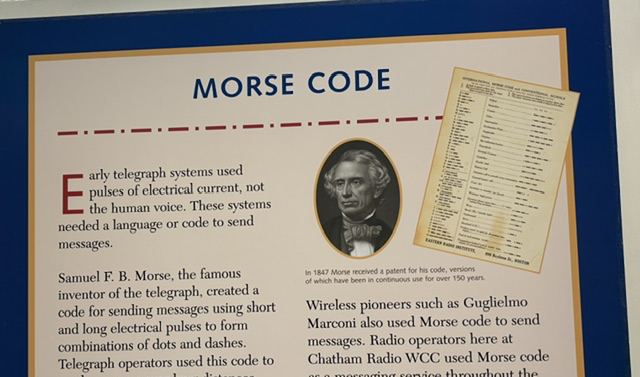
Morse Code
Before voices could be transmitted by radio, messages traveled through patterns of short and long electrical signals. These signals became known as Morse code, named for Samuel F. B. Morse, one of the inventors responsible for developing the electric telegraph. Morse and his associates created a system in which combinations of dots and dashes represented […]
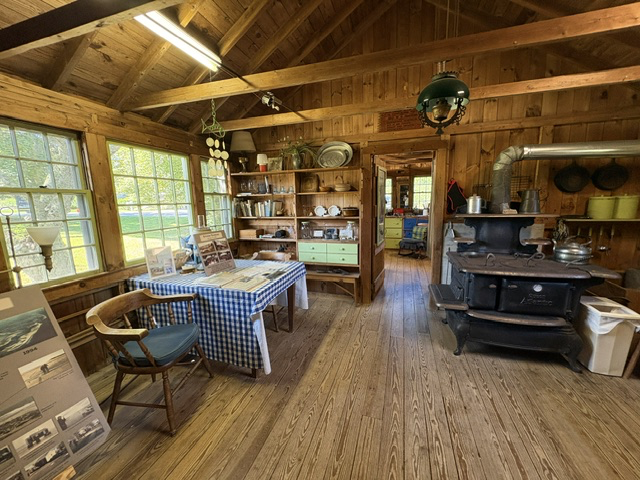
The Nickerson North Beach Camp
For generations, Chatham families looked across the water toward North Beach as a place to escape the routines of everyday life. The long barrier beach once extended southward from Orleans toward Chatham, separating the protected waters of Pleasant Bay and Chatham Harbor from the open Atlantic. Reaching it required a boat, and living there meant […]
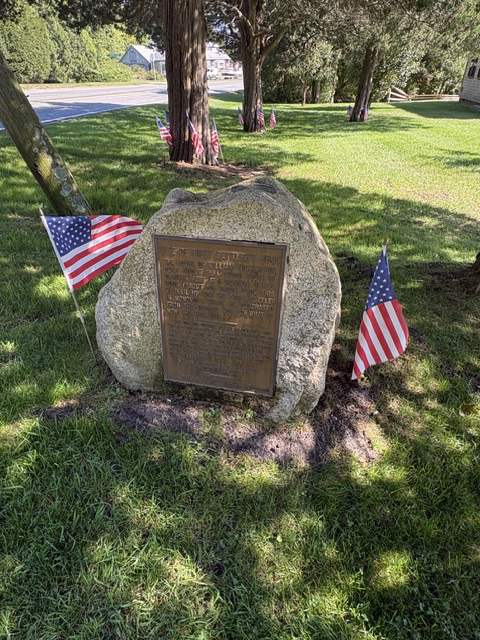
William and Anne Nickerson
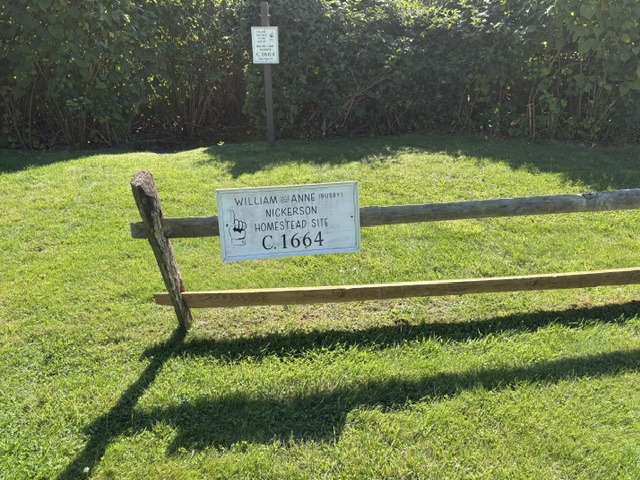
William and Anne Busby Nickerson occupy an important place in the history of Chatham as its first permanent English settlers. Their arrival, however, did not mark the beginning of human history here. The region was already known as Monomoit or Monomoyick and was home to the Monomoy people. The Nickerson story is therefore one of English settlement, family determination […]

