Piazza del Campo and Palazzo Pubblico
After walking through Siena’s narrow medieval streets, we emerged into the broad open space of the Piazza del Campo. The contrast was immediate. Confined passageways and closely grouped stone buildings suddenly gave way to a sweeping public square surrounded by centuries of civic architecture.
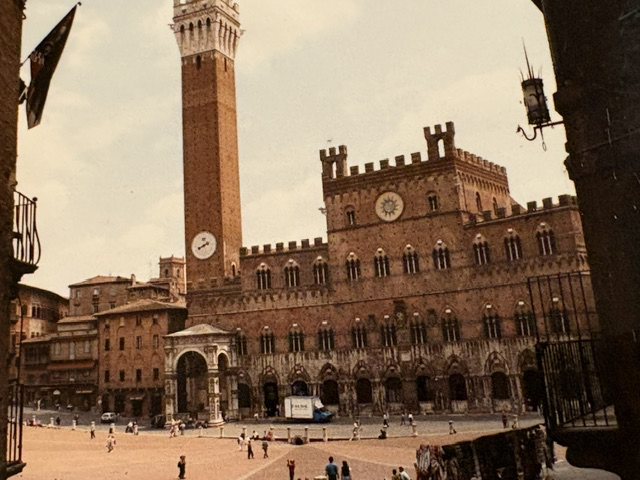
The Piazza del Campo developed as the center of Siena’s political and social life during the Middle Ages. Its unusual shell-shaped design follows the natural slope of the land, drawing the eye downward toward the Palazzo Pubblico. The paving is divided into nine sections, traditionally associated with the Council of Nine, the governing body that directed Siena during an important period of prosperity and artistic achievement.
Inside the palace are some of Siena’s most important works of art. The best known are Ambrogio Lorenzetti’s fourteenth-century frescoes known as the Allegory of Good and Bad Government. These scenes illustrate how responsible government could bring order and prosperity, while corruption and poor leadership could lead to fear, violence and decline.
Rising beside the palace is the Torre del Mangia, constructed during the fourteenth century as Siena’s civic bell tower. Its great height made it visible from across the city and demonstrated that civic authority could stand alongside religious power. The tower’s bells regulated public life, announced important events and warned residents of danger.
At the base of the tower stands the Cappella di Piazza. The marble chapel was erected after the Black Death devastated Siena in 1348. It expressed gratitude for the end of the epidemic and became a permanent reminder of one of the most destructive events in the city’s history.
The Piazza del Campo is also the setting for the Palio di Siena, the celebrated horse race held each summer. Riders representing Siena’s historic neighborhood districts race around the square while residents gather in support of their contrada. The tradition transforms the medieval civic center into a place of intense community identity and competition.
The Piazza del Campo brings together Siena’s government, architecture, art, public celebrations and neighborhood traditions. Emerging into the square after walking through the city’s narrow streets revealed the scale and importance of a place that has remained at the center of Sienese life for centuries.
Read More From Nancy
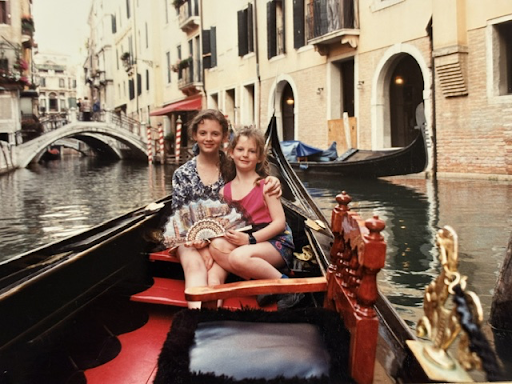
Gondola Ride
First trips to Italy almost must include Venice, and for us that meant experiencing the city the way generations of Venetians have done for centuries, by boat. A gondola ride through the canals quickly became one of the highlights of our journey and remains one of those family memories that has not fad. Venice itself […]
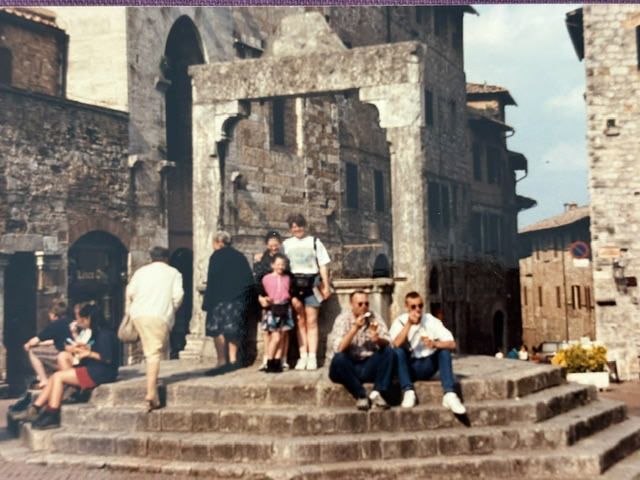
Medieval Square
Rising above the Tuscan countryside, San Gimignano is a remarkably preserved medieval hill town known for the towers that shape its skyline. Its location along the Via Francigena, the historic pilgrimage route leading to Rome, brought merchants, travelers, and pilgrims through the town and helped it grow into a prosperous center of trade. During the […]
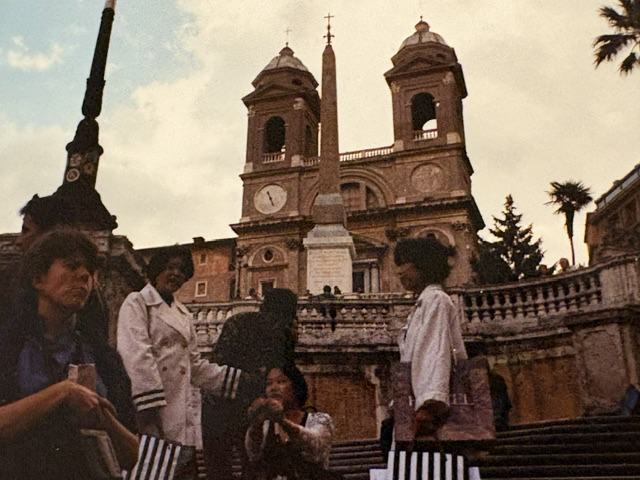
Trinità dei Monti and the Spanish Steps
The Church of Santissima Trinità dei Monti rises above the Spanish Steps on Rome’s Pincian Hill. Its twin bell towers create one of the city’s most recognizable views, forming a dramatic background to the broad stairway descending toward the Piazza di Spagna. Construction of the church began in the early sixteenth century under the patronage […]

