Chatham Lighthouse
Chatham Lighthouse was established in 1808 during the presidency of Thomas Jefferson to guide vessels around the dangerous waters and shifting shoals near the elbow of Cape Cod. It was the second lighthouse station constructed on the Cape. Unlike most stations, Chatham originally had two wooden towers. The twin lights distinguished Chatham from the single light at Truro and helped mariners align their vessels with the changing entrance channel.
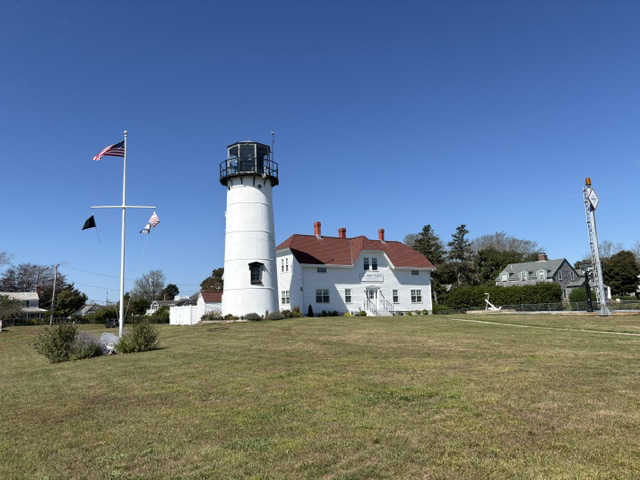
Because the shoreline constantly changed, the original towers were built on wooden skids so they could be repositioned. They were replaced by brick towers in 1841, but continued erosion threatened the station. In 1877, two new cast-iron towers and a keeper’s residence were constructed farther inland. When improved lighting technology made two towers unnecessary, one was moved to Eastham in 1923, where it became the present-day Nauset Light. Chatham’s remaining tower continued operating alone.
The lighthouse also became part of a working Coast Guard station. One of its most famous operations occurred during a severe winter storm on February 18, 1952, when the oil tanker Pendleton broke apart off Cape Cod. A four-man Coast Guard crew left Chatham in the motor lifeboat CG-36500 and crossed the dangerous Chatham Bar. Although the boat was designed to carry far fewer people, the crew rescued 32 men from the tanker’s stern section and returned them safely to shore.
Chatham Light remains an active navigational aid overlooking the Atlantic Ocean and Chatham Bar. Its history reflects more than two centuries of efforts to protect mariners along a coastline continually reshaped by storms, currents and erosion.
Read More From Nancy
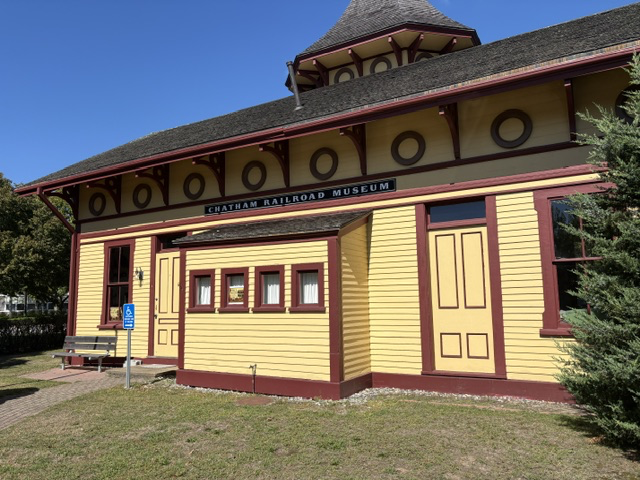
Chatham Railroad Museum
For much of the nineteenth century, Chatham’s location at the southeastern end of Cape Cod made travel and commerce difficult. Residents depended upon coastal vessels, horse-drawn transportation and long overland journeys to reach other communities. Although railroads began serving other parts of Cape Cod earlier in the century, Chatham waited decades for a direct connection. […]
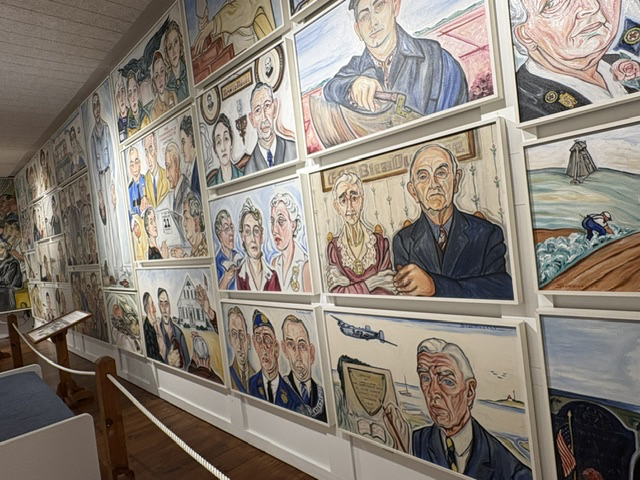
Alice Stallknecht’s Murals of a New England
During the 1930s and 1940s, artist Alice Stallknecht created a series of murals that combined religious imagery with portraits of the people, occupations and institutions of Chatham. Rather than placing biblical figures in a distant historical setting, she presented Christ as a contemporary working man surrounded by recognizable members of the local community. Her first […]
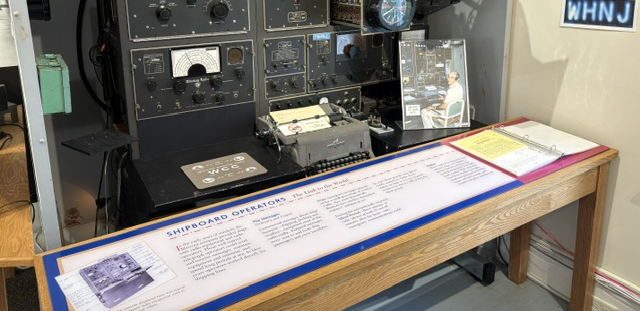
SS HOPE Shipboard Radio
The shipboard radio station from the SS HOPE, preserved at the Marconi-RCA Wireless Museum, represents the vital communications link between a ship at sea and the world on shore. The vessel began its service as the USS Consolation, a United States Navy hospital ship commissioned in 1945. It treated wounded service members during the Korean War and […]

