The Jewish Quarter
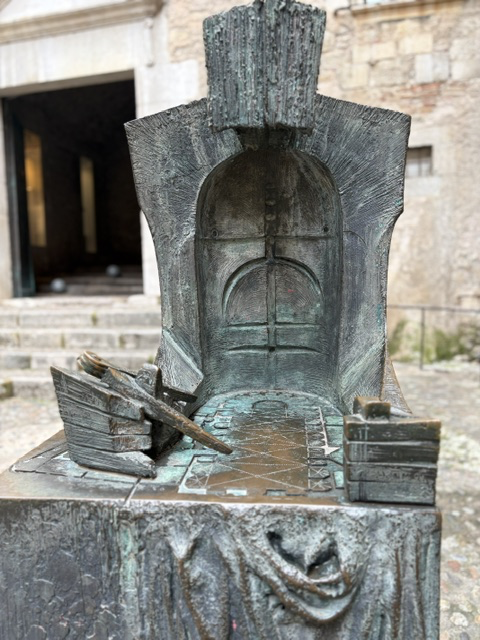
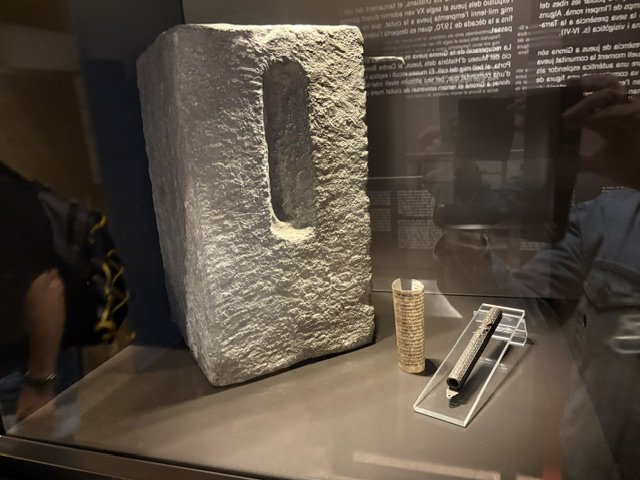
We traveled to Girona specifically to visit its historic Jewish Quarter. Girona was home to one of the most important Jewish communities in medieval Catalonia and became an influential European center of Jewish scholarship and Kabbalah.
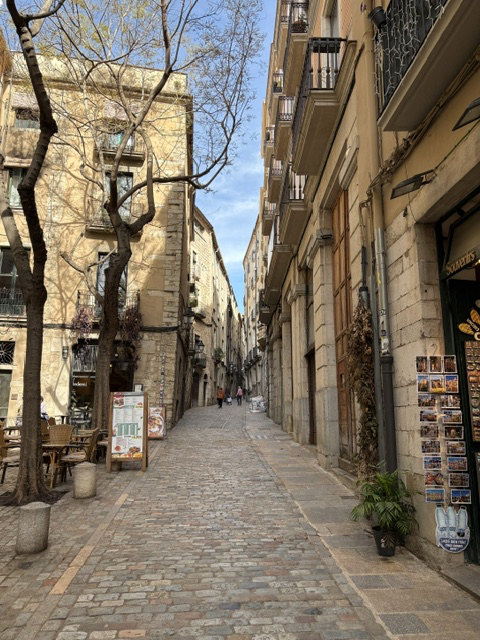
Known in Catalan as the Call, the Jewish Quarter developed around Carrer de la Força. This central street follows the route of the ancient Roman Via Augusta and later became the main passage through the Jewish neighborhood. From it, narrow lanes, steep stairways and covered stone passages led to homes, workshops, gathering places and synagogues.
Girona’s Jewish community was established by at least the ninth century and reached its period of greatest influence during the twelfth and thirteenth centuries. At its height, the community may have numbered approximately 800 people. Jewish residents participated in the commercial and intellectual life of the city while maintaining their own religious and communal institutions.
The community’s most celebrated scholar was Moses ben Nahman, better known as Nahmanides or the Ramban. Born in Girona in 1194, he became a rabbi, physician, philosopher, biblical commentator and important figure in medieval Jewish thought. His work helped establish Girona as a center for the study of Kabbalah, the Jewish mystical tradition.
Life became increasingly restricted for Girona’s Jewish residents during the fourteenth and fifteenth centuries. The community endured violence, forced conversions, and growing legal limitations. In 1492, King Ferdinand and Queen Isabella ordered all practicing Jews to leave their kingdoms or convert to Christianity, bringing centuries of organized Jewish life in Girona to an end.
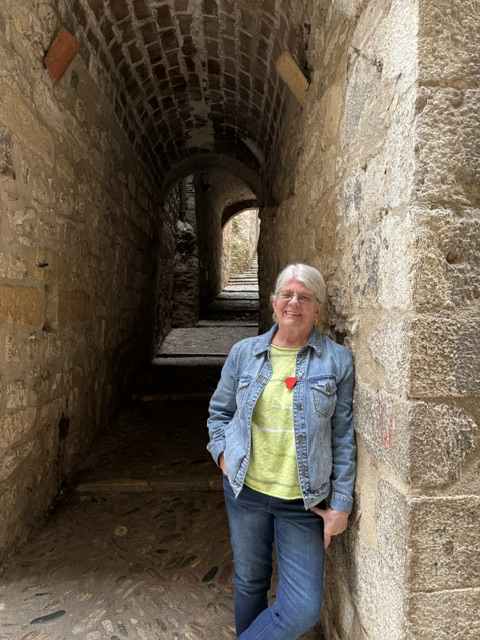
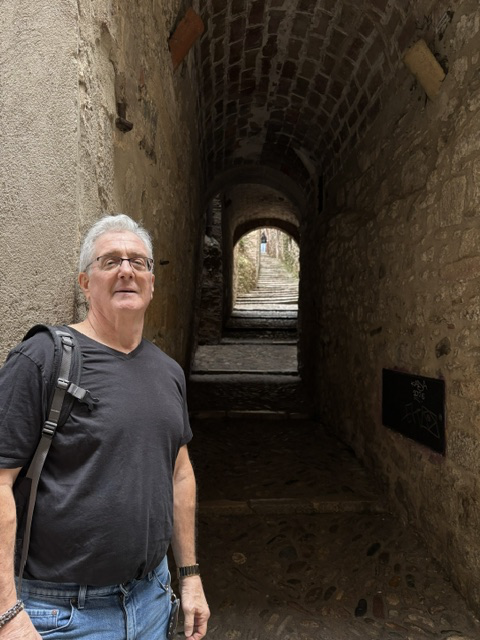
Walking through the Call gave us a physical sense of how closely this community once lived. The enclosed passages, worn stone steps and tightly arranged buildings preserve the scale and character of the medieval neighborhood. Although most of the original Jewish homes and religious spaces were altered over succeeding centuries, the streets continue to hold the memory of the people who lived, worked, worshiped and studied here.
Read More From Nancy
Casa Masó
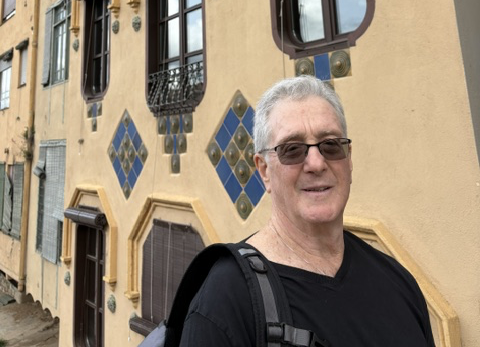
Standing along Carrer de les Ballesteries in Girona’s historic center, Casa Masó offers a fascinating contrast to the medieval buildings for which the city is best known. Its warm ochre exterior, dark wooden window frames, wrought-iron balconies and geometric arrangements of blue and green glazed tiles immediately distinguish it from the surrounding buildings. The façade […]
The Boy and Turtle Fountain
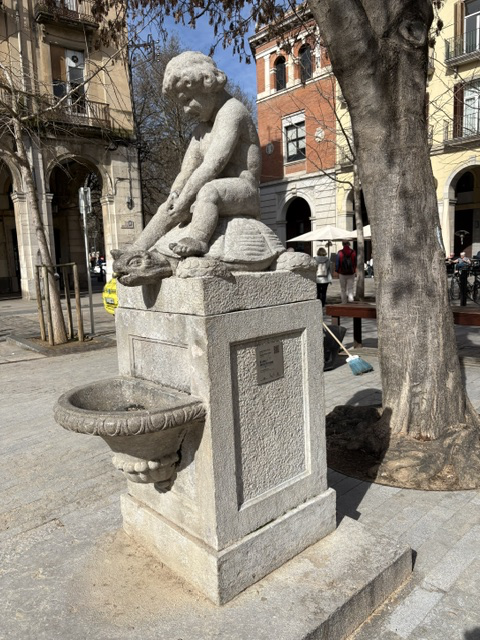
While exploring Plaça de la Independència in Girona, we noticed this small and playful fountain beneath the trees. Officially known as the Font del Nen de la Tortuga, it depicts a young boy seated in an unusual position on the back of a sea turtle. Water originally flowed from the turtle’s mouth into the decorative […]
Casa Pastors
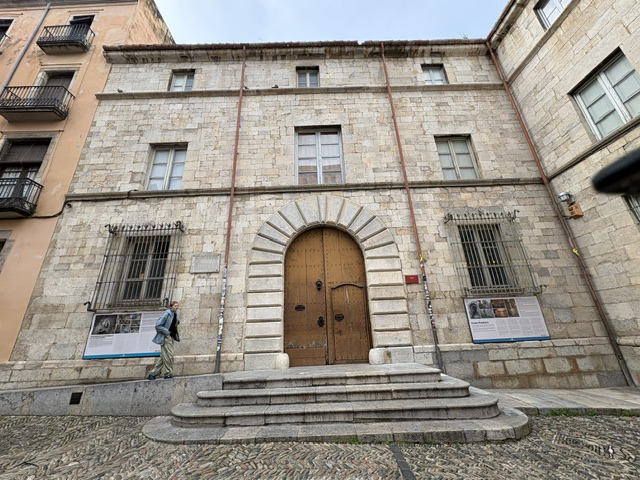
Standing near Girona Cathedral, Casa Pastors could easily be overlooked among the city’s more imposing medieval landmarks. Its broad stone façade, barred windows and heavy wooden doorway give it the appearance of a restrained civic building. Yet the information panel beside the entrance revealed that this seemingly simple structure contains layers of Girona’s history reaching […]

