Freedom Trail
My journey through the national parks may have begun with Minute Man, but it didn’t end there. Here in Massachusetts, we embrace our colonial past, and whenever friends visit, I love to take them to Boston and walk the Freedom Trail.
This 2.5-mile path winds through the city’s streets, marked by a red line that guides you from one historic site to the next. It’s not just a walk but it’s a story unfolding beneath your feet.
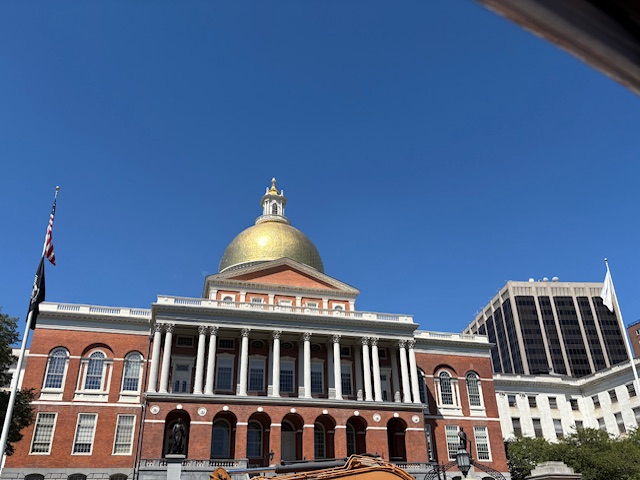
The trail begins at Boston Common, America’s oldest public park, where generations have gathered for both recreation and protest. From there, it leads to the Massachusetts State House, with its golden dome shining over the city. A short walk brings you to the Park Street Church and the Granary Burying Ground, where patriots like Paul Revere, Samuel Adams, and John Hancock are laid to rest.
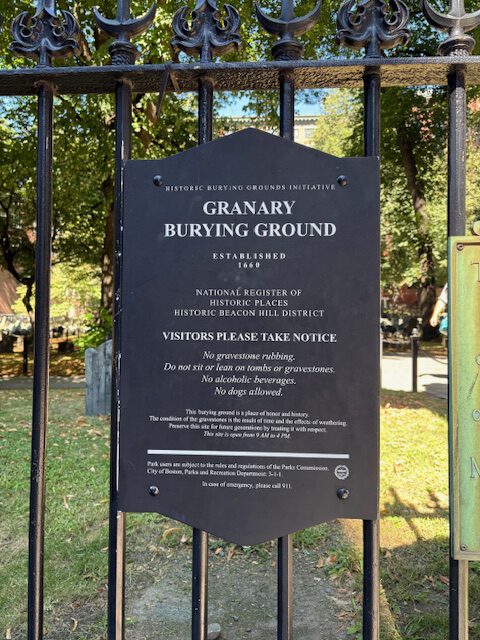
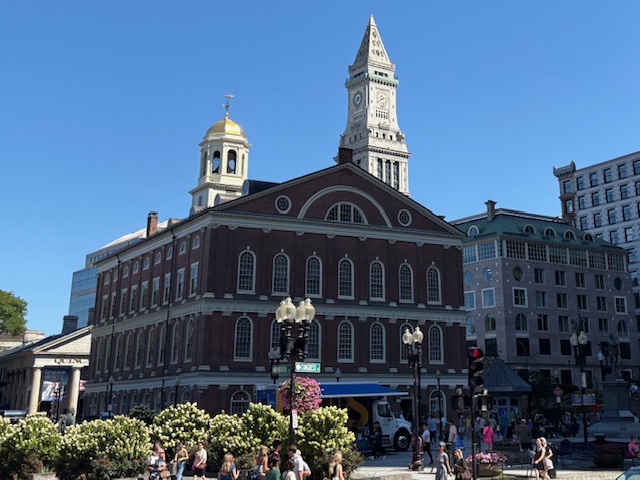
As you follow the trail, you pass the King’s Chapel and Old South Meeting House, where fiery words once stirred the spirit of revolution. The path takes you to the Old State House, standing tall among modern skyscrapers, where the Boston Massacre occurred on its doorstep. Nearby, Faneuil Hall, the “Cradle of Liberty, echoes with the voices of merchants and patriots who debated the future of the colonies.
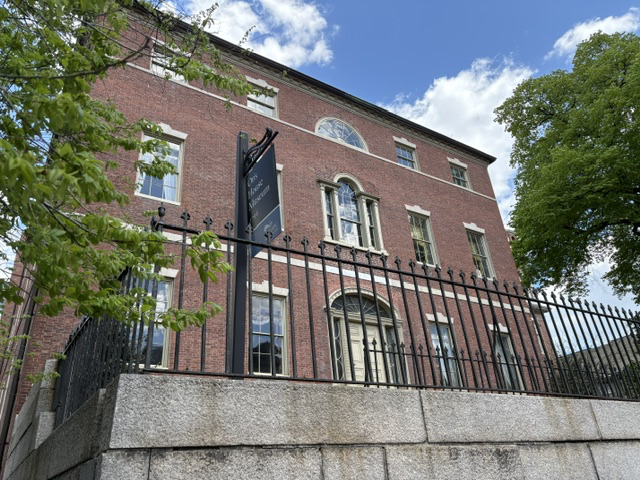
Crossing into the North End, the trail winds through cobbled streets to the Paul Revere House and the Old North Church where lanterns signaled the march of British troops: “One if by land, two if by sea.”
Walking the Freedom Trail is more than a tour: it is a journey through the turning points that shaped a nation. Each stop tells part of the story that began on the fields of Lexington and Concord, carried into Boston’s streets, and then echoed across the world.
Honestly, I never tire of this walk. The streets of Boston are often crowded, yet the Freedom Trail cuts through the bustle of modern shops and businesses, carrying me back to another time. As I walk, I can almost feel the excitement of those days when ordinary people gathered to imagine a different life. A life not ruled by a king across the ocean, but one of self-governance.
I often find myself asking: if I had lived then, would I have chosen to stand with the colonists seeking independence, or would I have remained loyal to the crown? I don’t know the answer. I know I am loyal, and I hold respect for tradition but I I could easily see myself pulled either way.
But history chose its course. It stood with the patriots, and from their defiance a new nation was born. Today, we walk these streets holding those people in high regard, remembering that the freedom we often take for granted began with their uncertain, courageous steps.
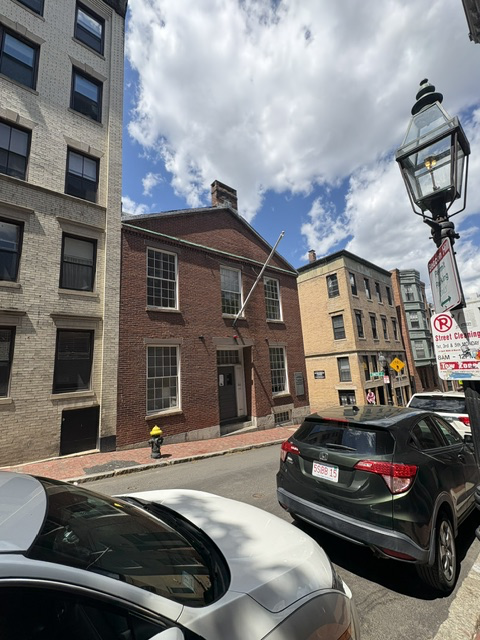
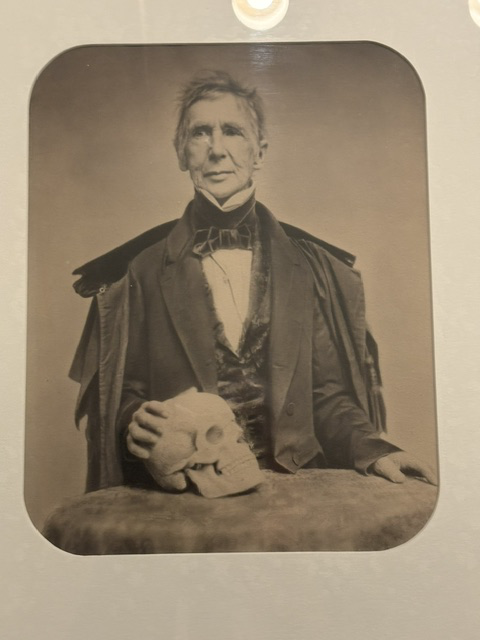
Read More From Nancy
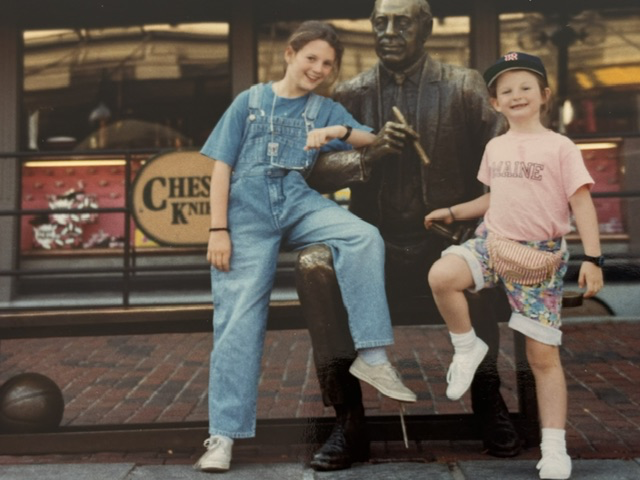
Red Auerbach
This bronze statue honors Arnold “Red” Auerbach, the coach and executive who helped establish the Boston Celtics as one of the most successful franchises in professional sports. Auerbach coached the Celtics from 1950 through 1966, leading the team to nine NBA championships, including an unprecedented eight consecutive titles from 1959 through 1966. Auerbach’s influence extended […]
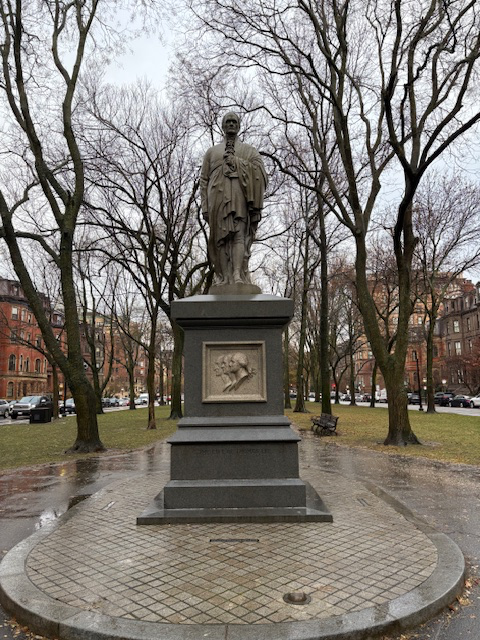
Alexander Hamilton Statue in Boston
I love walking the Commonwealth Avenue Mall and pausing to take in the sculptures that line the path. Each one is placed not just to decorate the boulevard but also to invite reflection. One of the most prominent is the statute of Alexander Hamilton. I found myself wondering why Hamilton, who never lived in Boston. […]
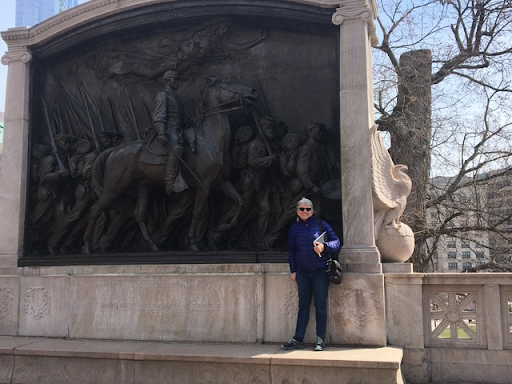
Shaw Memorial
Every time I visit Boston Common, I find myself stopping to admire this remarkable relief by Augustus Saint-Gaudens. Not only is it one of the finest works of public art in America, but it captures its subject with extraordinary power and dignity. Rather than glorifying war, the sculpture honors the courage, sacrifice, and determination of […]

