Tuzigoot National Monument – Arizona
Rising above the Verde Valley in Central Arizona, Tuzigoot National Monument is one of those places where the land and the past feel inseparable.
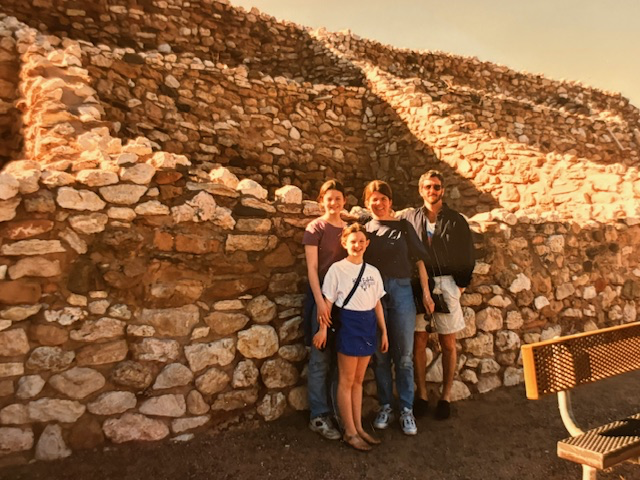
Tuzigoot preserves the remains of a large prehistoric settlement constructed by the Sinagua people, who lived in this region between the 1100s and early 1400s. Over time, what began as a smaller cluster of rooms expanded into a sprawling, multi-story complex of more than one hundred stone structures arranged along the crest of a hill. Walking the loop trail, we moved room by room through foundations that once held homes, storage areas and communal spaces.
The name “Tuzigoot” comes from Apache words translated as “crooked water”, a reference to the nearby Verde River. From the ridge, you can see why the location mattered: fertile floodplains lay below, while elevated sites provide visibility across miles of landscape. Archaeologists believe the residents farmed crops like corn, beans and squash, supplemented by hunting, gathering and far-reaching trade networks that brought shells, pigments and other goods from distant regions.
Tuzigoot’s preservation as a protected site came in 1939, when it was designated a national monument by Frank D. Roosevelt. The proclamation reflected a broader effort during his administration. Excavations in the 1930s uncovered pottery, tools, ornaments and burial areas, many of which are now displayed in the on-site museum. This museum is one of the earliest National Park Service museums built specifically to interpret a prehistoric pueblo.
Read More From Nancy
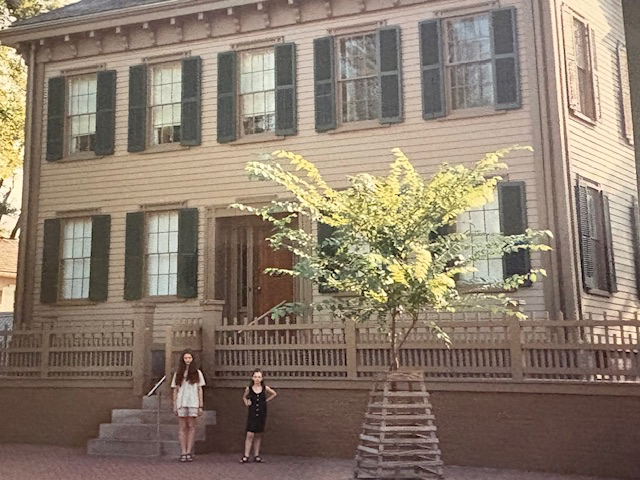
Lincoln Home National Historic Site – Illinois
I enjoy studying and exploring Presidential sites, and I have visited all of the Presidential libraries and many smaller historic locations. Of course, I am partial to some presidents more than others, and for me one that is most special is Abraham Lincoln. As a child, we celebrated his birthday in February each year, separately, […]
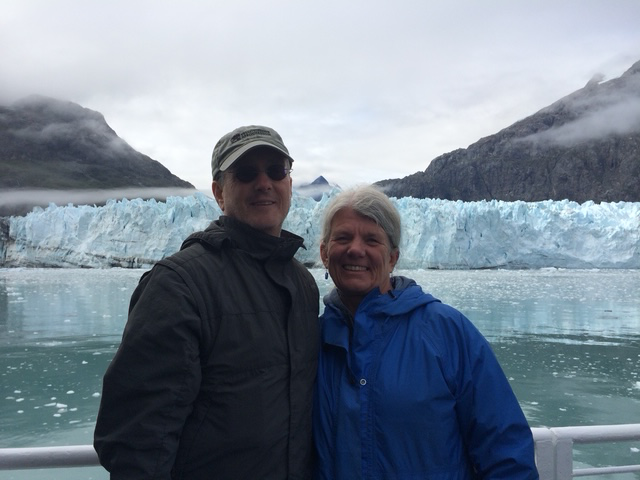
Glacier Bay National Park – Alaska
Alaska is just a massive state, and it was on our second visit that we set our sights on traveling into Glacier Bay National Park. Stories of John Muir traversing the same area inspired us to want to journey where he also traveled, into the waters and fjords he once explored by canoe. It […]
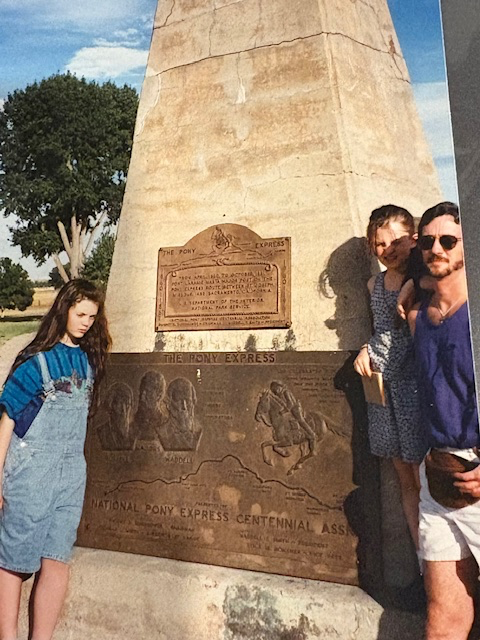
Pony Express National Historic Trail – Nebraska
In the wide-open landscapes of the American West, communication was once slow, uncertain, and often perilous. Long before telegraph wires stretched across the continent, letters were the only way to stay connected across the plains, deserts and mountain ranges. Carrying the mail by horseback became one of the boldest experiments in frontier logistics ever attempted. This […]

