The Wedding Cake House
This is not a house I have been able to visit, but I have driven by it many times over the years. Known as the Wedding Cake House, it is one of the most recognizable landmarks in Kennebunk, Maine.
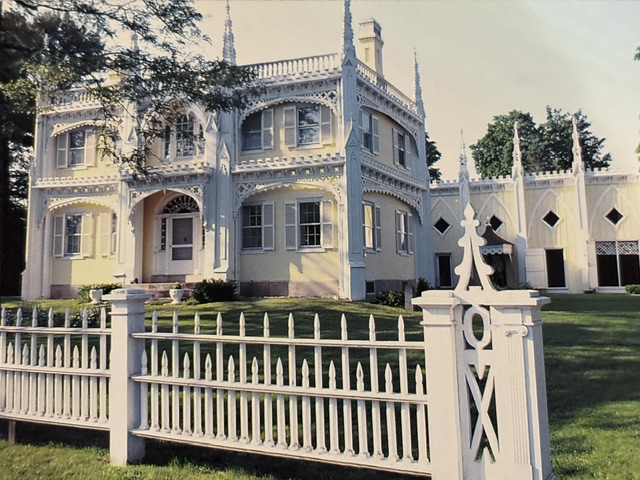
Built in 1825 by shipbuilder George W. Bourne, the house originally reflected the Federal style popular in early nineteenth-century New England. Bourne was inspired by the intricate details he saw on the cathedral in Milan during one of his travels. He transformed his home with elaborate wooden trim and decorative elements, creating what architectural historians describe as an outstanding example of Carpenter Gothic. Its fanciful appearance eventually earned it the nickname “The Wedding Cake House.”
Although the house is privately owned and not open to the public, it has become one of Maine’s most photographed homes. Each time I drive past it, I am reminded that some places do not need to be entered to be appreciated. Nearly two centuries after George Bourne built it, the Wedding Cake House continues to delight travelers and stands as a testament to the craftsmanship and prosperity that Maine’s shipbuilding industry once brought to the region.
Read More
Read More From Nancy
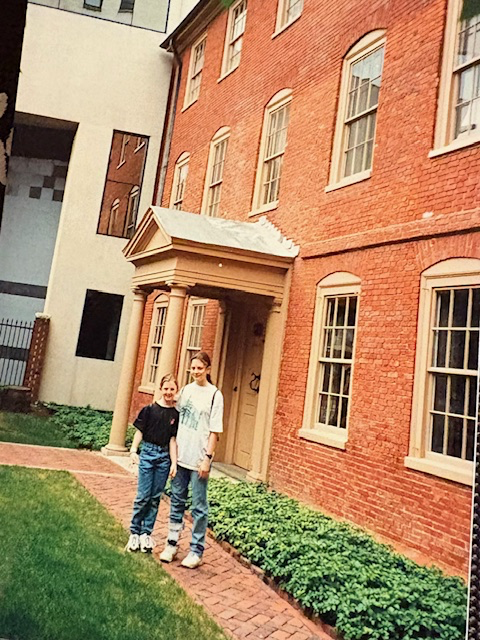
Wadsworth-Longfellow House
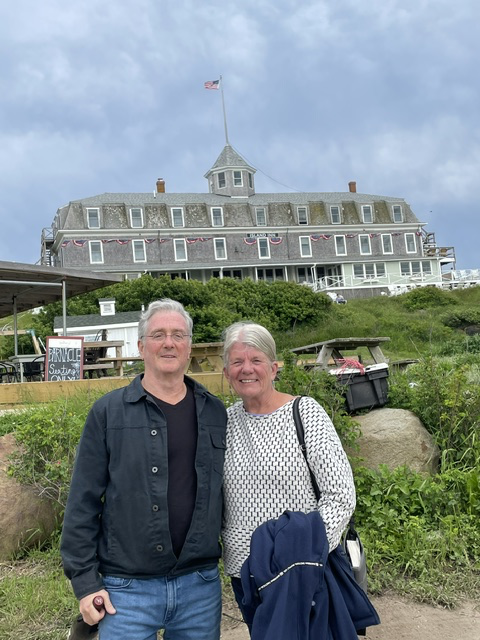
Here is a photo from one of our visits to Portland, Maine, standing in front of the Longfellow House. Sitting right on Congress Street, in the middle of downtown life. is this Wadsworth-Longfellow House, the oldest surviving structure on the Portland peninsula. It was built in 1785-1786 by General Peleg Wadsworth, a Revolutionary War hero […]
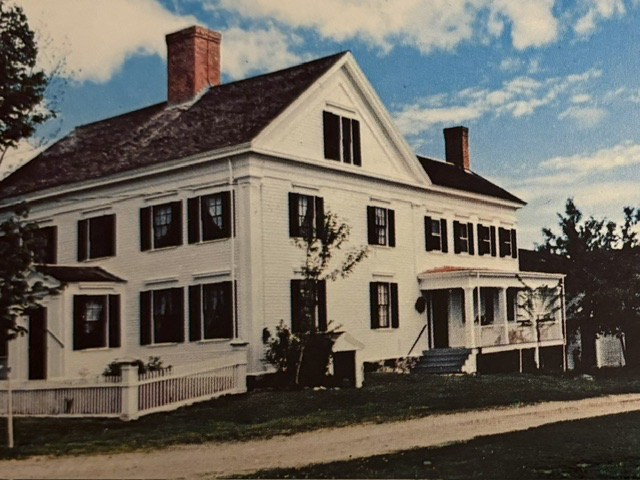
The Marrett House
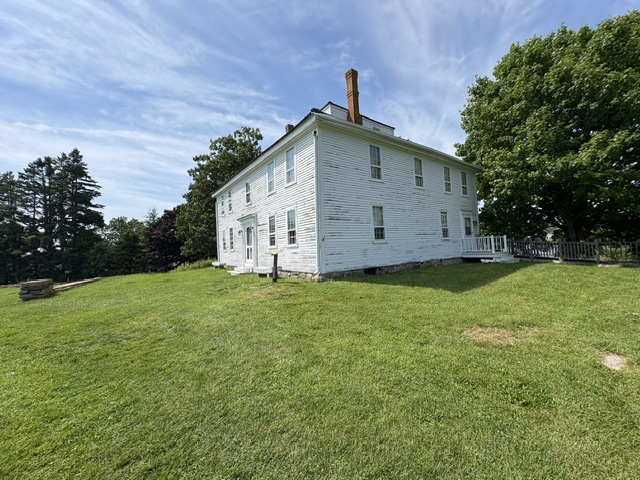
One of the pleasures of traveling through New England is discovering homes that have quietly witnessed the passage of history for centuries. While driving through Standish, Maine, I visited the Marrett House, a place that tells the story not only of one family but also of the growth of an entire community. The house was […]
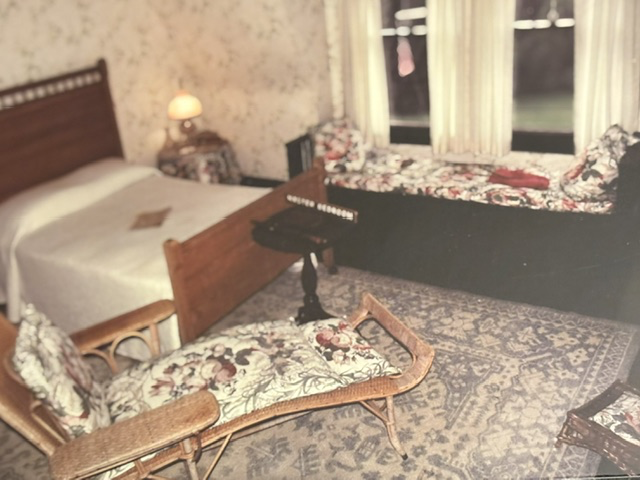
Roosevelt Campobello International Park
I have visited Roosevelt Campobello International Park several times during my travels through the Maritime Provinces. I enjoy exploring presidential homes and historic sites, and this one is especially meaningful because it reveals a side of Franklin Delano Roosevelt that few presidential sites can capture. Rather than focusing on the years of power and leadership, Campobello tells the story of Roosevelt […]

