Seltún, Krýsuvík Geothermal Area
During our travels through Iceland, we stopped at Seltún, in the Krýsuvík geothermal area on the Reykjanes Peninsula. Even in a country filled with dramatic landscapes, this was an extraordinary place. The ground itself seemed alive.
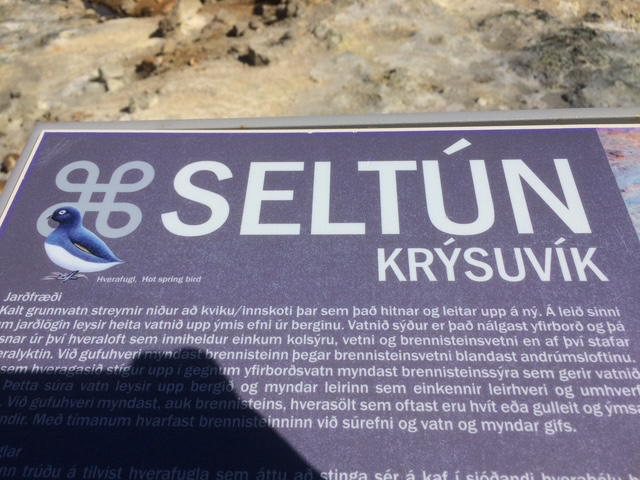
Seltún lies within an active geothermal region where heat from deep beneath the surface warms groundwater. As that water rises, pressure decreases and it can boil, producing the steaming vents, bubbling mud pots, and hot springs that we could see throughout the landscape. The area is part of the Krýsuvík volcanic system, one of several volcanic systems running across the Reykjanes Peninsula.
The colors were almost as striking as the geothermal activity. Yellow, orange, red, gray, and white covered the hillsides around us. These are not simply different-colored rocks. Hot water and volcanic gases chemically alter the minerals in the surrounding rock, while sulfur and other mineral deposits contribute to the remarkable palette. In places, rock is altered into soft clay, producing a landscape that looks almost painted.
The sign we photographed explains some of what was happening beneath our feet. Rain and groundwater seep downward through cracks in the volcanic rock, where they encounter intense heat. The heated water then rises again, carrying dissolved minerals toward the surface. Steam and gases escape through vents, while boiling water and mud create the constantly changing features visible around Seltún.
One of the gases released here is hydrogen sulfide, the source of the distinctive “rotten egg” smell associated with many geothermal areas. When these gases interact with oxygen and water near the surface, additional chemical reactions take place, further altering the surrounding rock.There is also a cautionary history behind the boardwalks that guide visitors through Seltún. In 1999, a geothermal borehole drilled decades earlier unexpectedly exploded, creating a crater. The event was a dramatic reminder that the geothermal forces beneath this beautiful landscape remain very active.
That activity is part of a much larger geological story. Iceland sits astride the Mid-Atlantic Ridge, where the North American and Eurasian tectonic plates are gradually pulling apart. At the same time, a mantle hotspot beneath Iceland supplies additional magma. Together these forces have created an island where volcanic and geothermal activity is unusually visible at the surface.
Walking through Seltún gave us an opportunity to see that geology in action. The bubbling pools in my photographs were not remnants of something that happened thousands or millions of years ago. Heat was moving beneath us, water was boiling, gases were escaping, and minerals were continually changing the ground.
There are places where we learn about the forces that created the Earth by looking at ancient rocks. At Seltún, it felt as though we were watching those forces at work right in front of us.
Read More From Nancy
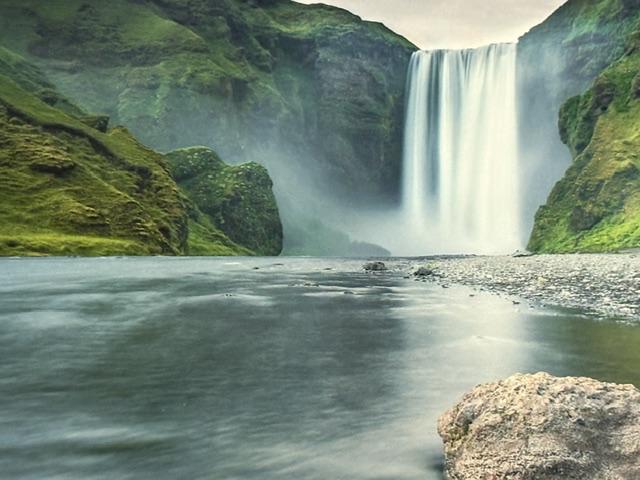
Skogafoss
There are many extraordinary places in Iceland, but the waterfalls were among the most spectacular experiences of our trip. Around nearly every turn in the landscape, another waterfall seemed to emerge from the cliffs, glaciers or volcanic mountains. Yet some stand apart because of their beauty, and this was certainly true at Skogafoss. Skogafoss is one of Iceland’s […]
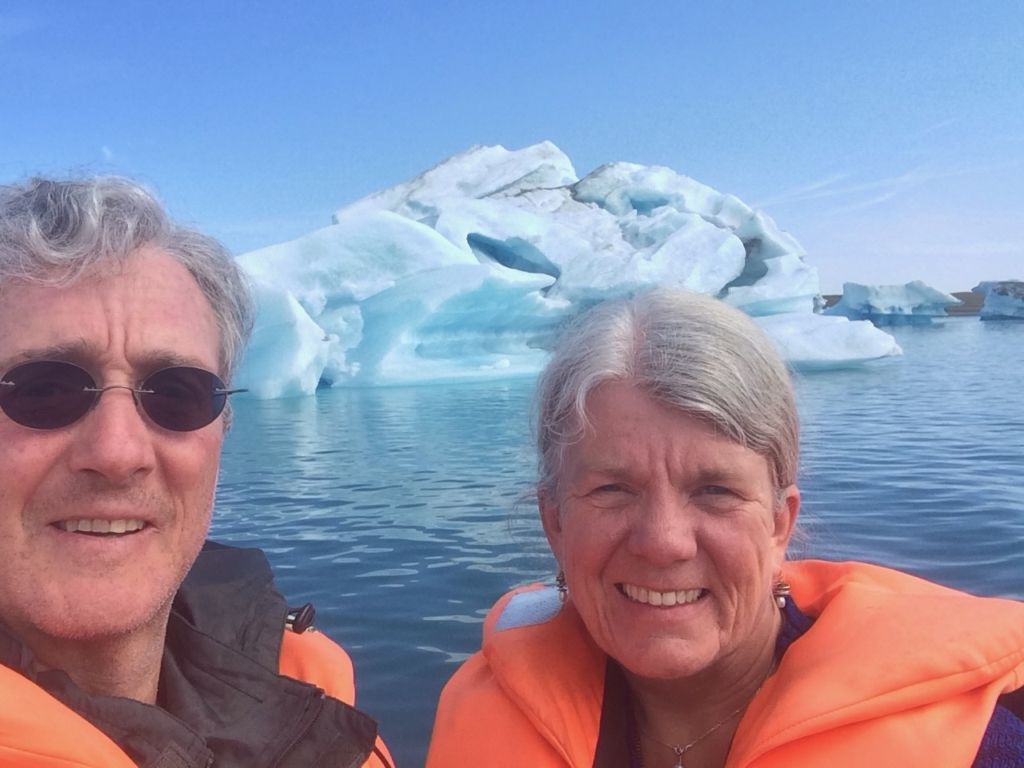
Jukulsarlon Glacier Lagoon
As we drove along Iceland’s Ring Road in the southeastern part of the country, we stopped at Jokulsarlon Glacier Lagoon, one of the well-known natural sites in Iceland. This lagoon is filled with floating icebergs that have broken off from an outlet glacier of Vatnajokull. Vatnajokull is the largest glacier in Europe by volume, and it […]
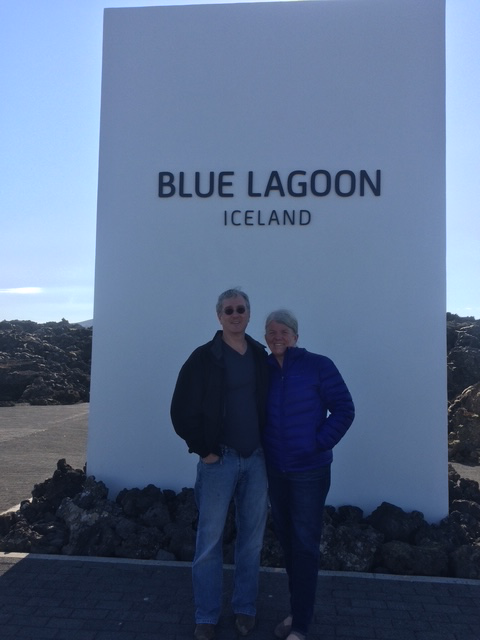
Blue Lagoon
There are places that feel almost unreal when you first arrive, and the Blue Lagoon is one of them. Set in the middle of a rugged volcanic landscape near Grindavik, the lagoon appears as a soft, milky blue oasis surrounded by black lava fields. Steam rises into the cool Icelandic air, and as you step […]

