Russian Bishop’s House
With its yellow siding, rows of white-trimmed windows, and broad red roof, the Russian Bishop’s House preserves a chapter of Alaska’s history from before it became part of the United States. During the Russian colonial period, Sitka was known as New Archangel and served as the capital of Russian America. The house is among the few surviving examples of Russian colonial architecture in North America.
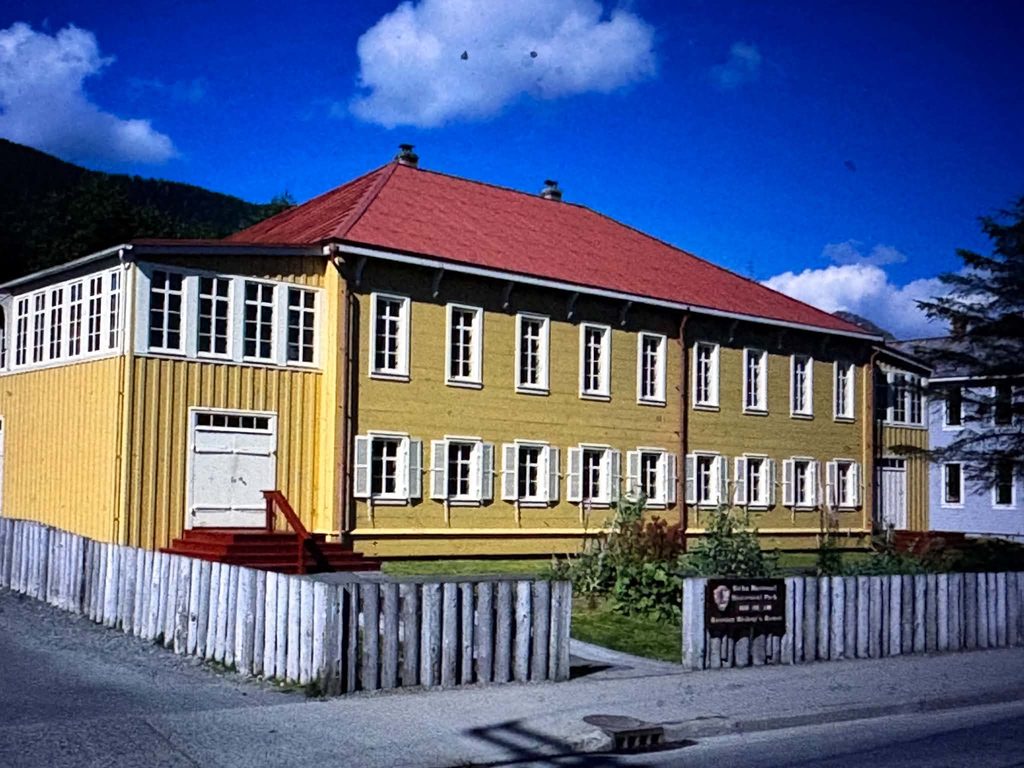
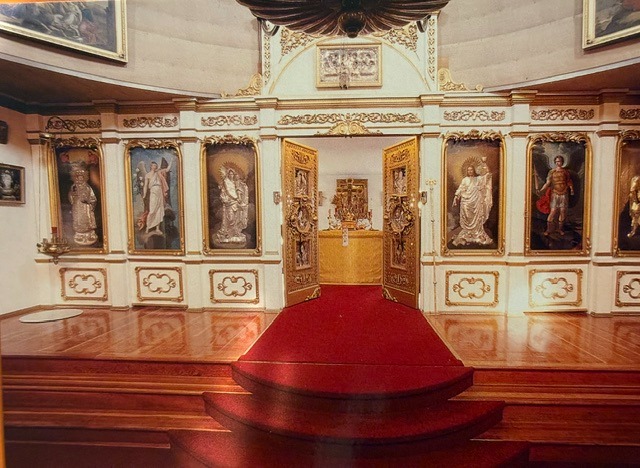
Built by the Russian-American Company in the early 1840s, the house became the residence of Bishop Innocent in 1843. It served several purposes, bringing together living quarters, church offices, classrooms, and a private chapel. From here, the bishop helped oversee a vast Russian Orthodox diocese extending across the North Pacific.
One interesting detail lies beneath the floors and above the ceilings. Finnish shipwrights incorporated layers of sand as insulation, helping retain warmth in the coastal climate. The building also housed a growing library whose books included geography, mathematics, languages, and music alongside religious works, reflecting its role as a place of education.
The house continued serving the Orthodox Church long after the United States purchased Alaska in 1867. By its closure in 1969, however, leaking roofs, rotting wood, and shifting floors threatened its survival. The National Park Service undertook an extensive restoration, returning the building to its appearance around 1853. Today, its preserved rooms and chapel offer a glimpse into daily life, education, and religious administration in Russian-era Sitka.