Roosevelt’s Little White House
While visiting Georgia, I made the drive to Warm Springs for one reason: to stand in the place where Franklin D. Roosevelt spent the final hours of his life.
I have enjoyed visiting places connected with our presidents. From their birthplaces and childhood homes to their presidential libraries and final resting places, each location tells part of their story. Together, they remind us that history is shaped not only by great accomplishments but also by the ordinary places where life unfolded.
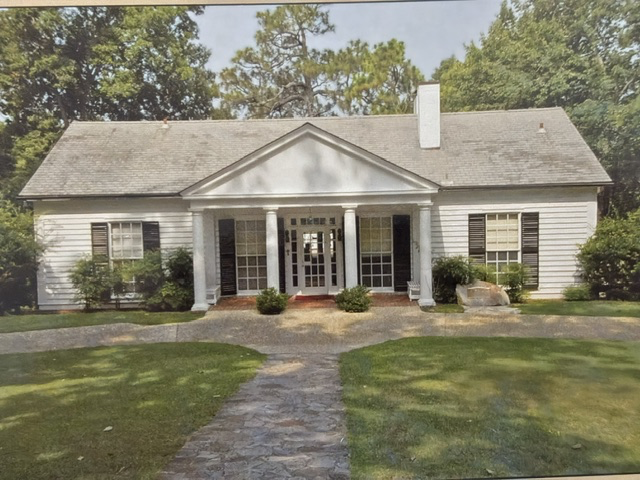
The Little White House is one of those places. It was here, on April 12, 1945, while sitting for a portrait by artist Elizabeth Shoumatoff, that Roosevelt suffered a massive cerebral hemorrhage and died. The unfinished portrait remains on display, capturing one of the most poignant moments in American history.
Warm Springs was much more than a retreat for Roosevelt. After first visiting in 1924 in search of relief from the effects of polio, he developed a deep affection for the community and established a rehabilitation center that brought hope to thousands of others living with the disease. The modest home reflects the quieter side of a man who carried the burdens of leading the nation through the Great Depression and most of the Second World War.
History also reminds us that even our greatest leaders were human. It was later revealed that Lucy Mercer Rutherfurd, with whom Roosevelt had maintained a long and complicated personal relationship following an earlier affair, was present at the Little White House on the day of his death. That detail does not define his legacy, but it does add another layer to understanding the man behind the presidency.
Walking through the Little White House, I was reminded that the places connected with our presidents tell complete stories—not only of leadership and public service, but also of their personal struggles, relationships, triumphs, and imperfections. It is that fuller picture that makes history both meaningful and deeply human.