Nubble Light
Few landmarks are as closely associated with York, Maine, as Nubble Light. Standing proudly atop a small rocky island just offshore from Cape Neddick, the lighthouse has welcomed generations of visitors and has become one of the most photographed and recognizable lighthouses in America. For many families, a trip to York simply isn’t complete without stopping to admire this iconic beacon.
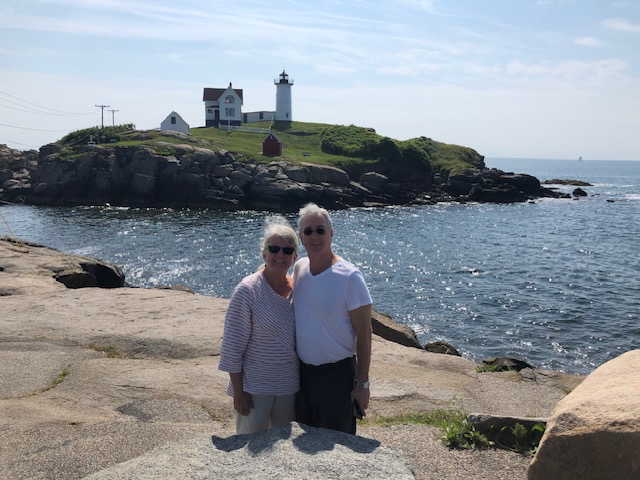
The lighthouse was established in 1879 to guide ships safely through the hazardous waters along Maine’s southern coast. Although the tower rises only forty-one feet above the island, its position atop the rocky outcrop places its light more than eighty feet above sea level, making it visible for many miles. Mariners navigating the Atlantic relied upon its steady beacon to avoid the dangerous ledges and shifting waters surrounding Cape Neddick.
The small island, known locally as “the Nubble,” has never been connected to the mainland by a bridge. Supplies, equipment, and lighthouse keepers reached the station by boat or by using a cable system stretched across the narrow channel. Life on the island demanded resilience. Keepers and their families lived in relative isolation, tending the light through dense fog, violent nor’easters, and the long winters of coastal Maine. Their dedication helped protect countless vessels and the people aboard them.
The Cape Neddick Light Station includes more than the lighthouse itself. The keeper’s house, oil house, and other service buildings remain remarkably well preserved, offering visitors a glimpse into the daily lives of the families who once called this tiny island home. In 1987 the lighthouse was automated, ending more than a century of resident lighthouse keepers, but the United States Coast Guard continues to maintain the light as an active aid to navigation.
For me, Nubble Light has always been more than a historic lighthouse. From the time I was a child spending summers in York, it has been one of the places I looked forward to visiting. No matter how many times I return, the view never loses its appeal. Watching the waves crash against the granite ledges, hearing the cries of the gulls overhead, and seeing the white tower standing against the blue Atlantic has become one of the enduring traditions of my life.
Years later, I found myself standing on these same rocks with my husband and later bringing my daughters to experience this remarkable place. Like so many of York’s treasures, Nubble Light became part of our family’s story. It reminds me that some landmarks are beautiful because of their architecture or history, while others become meaningful because they quietly accompany us through the different seasons of our lives.
Today, Nubble Light continues to stand as it has for nearly a century and a half, a symbol of safety, perseverance, and the enduring character of the Maine coast. For generations of visitors, it has marked the beginning of treasured vacations and lasting memories. For my family, it has become one of the guideposts that always welcomes us back to York.

Read More From Nancy
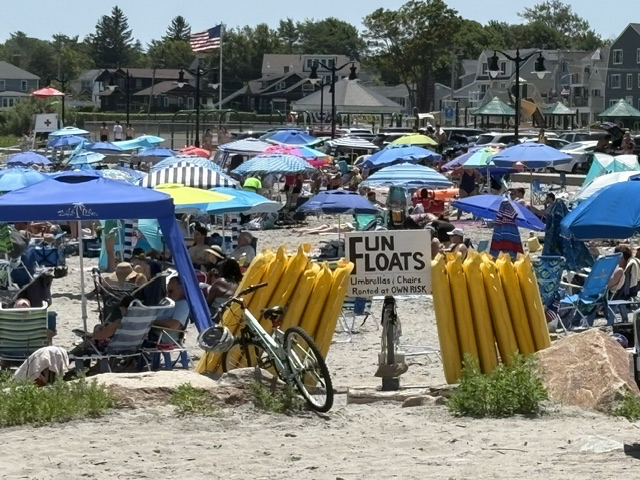
Bob’s Fun Floats
For generations of visitors to York Beach, rows of bright yellow floats have been a familiar part of summer. Known locally as Bob’s Fun Floats, they were rented at both Long Sands and Short Sands beaches, along with umbrellas and beach chairs. The tradition began in 1948, when Robert “Bob” Witham established Bob’s Summer Beach […]
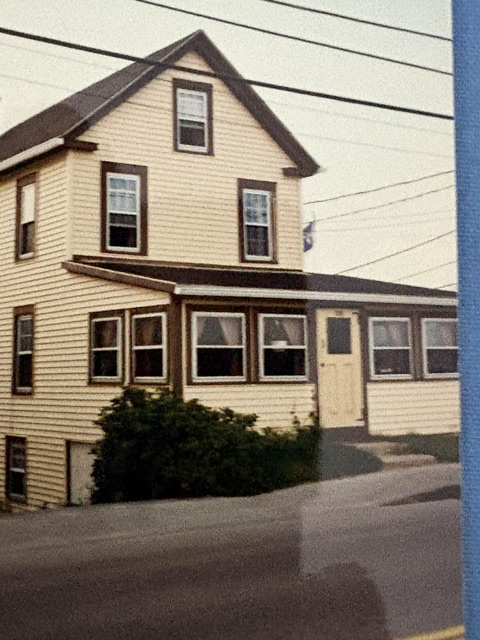
Our cottage at Long Sands Beach
To most people, this is simply an older beach cottage overlooking Long Sands Beach. To me, it was one of the defining places of my childhood. Beginning in the late 1950s, my parents owned this cottage, and for decades part of every summer was spent here. The Atlantic Ocean was just across the street, and […]
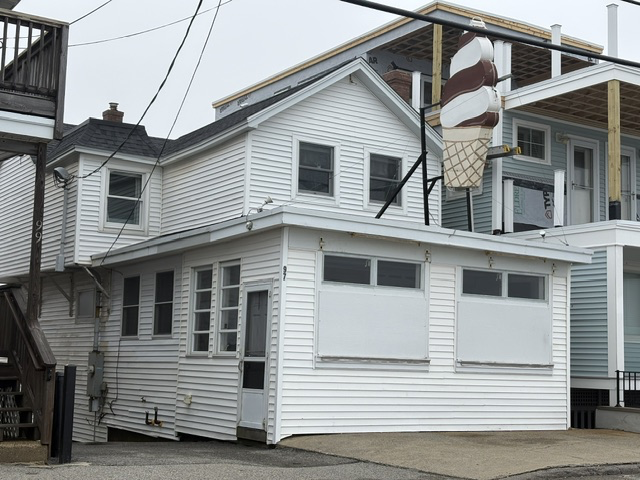
The Ice Cream Cone
Driving through York Beach, I couldn’t resist stopping to photograph this familiar landmark. The building was still closed for the season, its windows boarded as it waited for the summer crowds to return. Yet the giant ice cream cone still stood high above the roof, just as it had for years. This little stand was […]

