Minuteman Missile National Historic Site
One of the most fascinating units of the National Park System is the Minuteman Missile National Historic Site in western South Dakota. Established by Congress in 1999 and opened to the public in stages during the following decade, the site preserves the history of the Cold War, nuclear deterrence, and one of the most significant periods in modern American history.
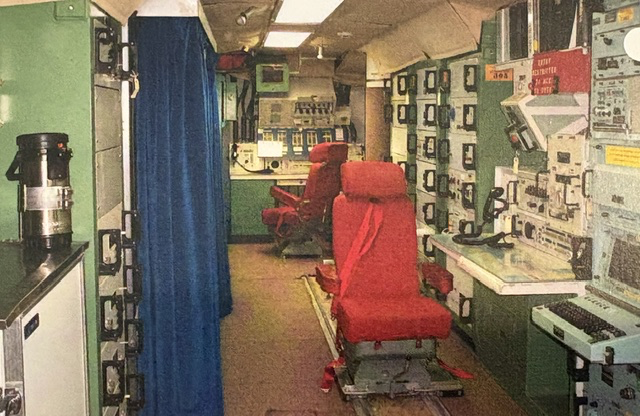
Unlike many national parks that preserve natural landscapes or historic homes, this site tells the story of a conflict that was never fought. The visitor center and nearby Delta-01 Launch Control Facility provide a rare opportunity to step inside the world of the men and women who stood watch over America’s nuclear arsenal. The room pictured here is the underground launch control center, where two Air Force officers worked 24 hours a day, prepared to carry out one of the most consequential orders imaginable. Fortunately, that order never came.
The Minuteman missile system was built not with the expectation that it would be used, but with the hope that it never would. During the Cold War, the United States and the Soviet Union maintained vast nuclear arsenals under the doctrine of nuclear deterrence: the belief that the certainty of devastating retaliation would prevent either side from launching a first strike. While this strategy became known as Mutually Assured Destruction, it also helped prevent a direct nuclear conflict between the two superpowers for more than four decades.
I enjoy visiting places that tell every chapter of America’s story. The Minuteman Missile National Historic Site preserves an era that many of us remember, yet one that younger generations know only from history books. It reminds us that the Cold War was not simply a political struggle between two nations. It was a daily reality for the men and women who stood watch beneath the plains of South Dakota, helping preserve a fragile peace during one of the tensest periods in world history.
As I continue to visit units of the National Park System, I appreciate that they preserve not only our natural wonders and the homes of famous Americans but also places like this that help us better understand the difficult decisions, sacrifices, and responsibilities that have shaped our nation’s history.
Read More From Nancy
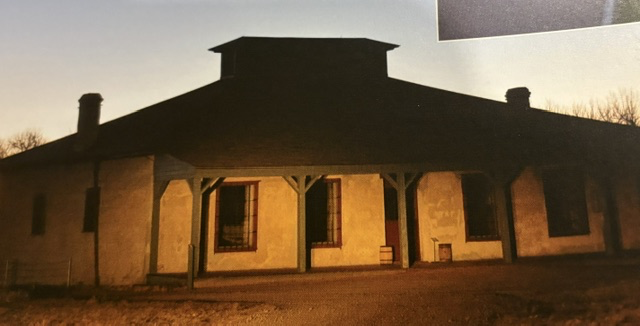
Fort Laramie National Historic Site
Fort Laramie National Historic Site in Fort Laramie, Wyoming, preserves one of the most important crossroads in the history of the American West. Established as a private fur trading post in 1834, the fort eventually evolved into the largest and most significant military post on the northern plains. It became a vital stop for thousands […]
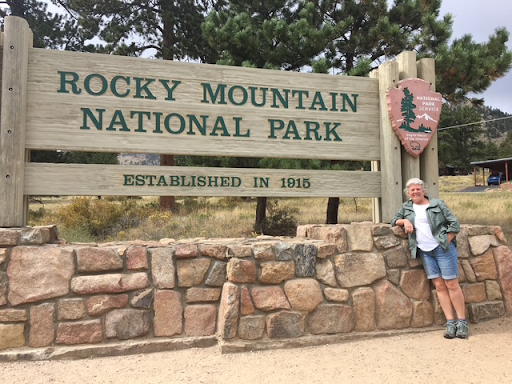
Rocky Mountain National Park
Another spectacular National Park is Rocky Mountain National Park. My oldest daughter Emily lives in the foothills of this park, so we have enjoyed more visits than most. From the rugged alpine cliffs to the mountain lakes, this landscape reminds us how diverse this park is. Established in January 1915, when Woodrow Wilson signed the act […]
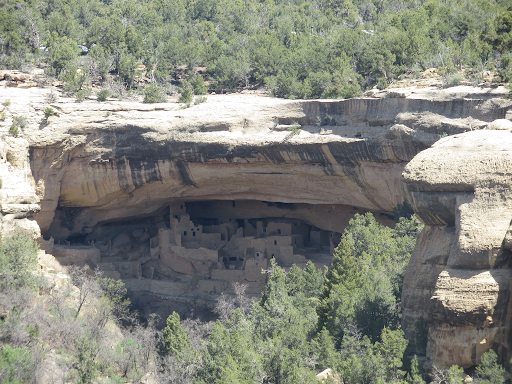
Mesa Verde National Park
Wishing to visit Mesa Verde National Park took some planning. Mapping out visits to our national parks always does, these are not places you simply pass by. They require intention. For this trip, the best place to begin was Durango, Colorado. From there, the drive slowly brings us into a landscape that feels both open and […]

