Mary McLeod Bethune Council House National Historic Site
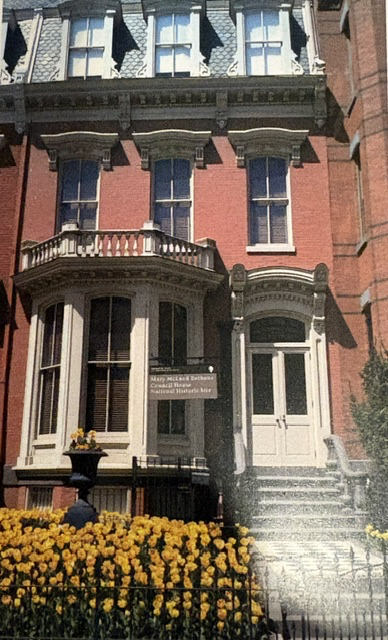
Tucked within the historic streets of Washington, DC, is the home of Mary McLeod Bethune. Surrounded by the grandeur of the nation’s capital, her home stands as a reminder of leadership education and social change.
Born in 1875 to formerly enslaved parents in South Carolina, Bethune rose from poverty to become an educator, advisor to presidents, civil rights leader, and founder of what would become Bethune-Cookman University. She dedicated her life to expanding educational opportunities for African Americans and advocating for women and children during a time of racial segregation.
This house was more than her residence. It also served as the headquarters of the National Council of Negro Women, an organization she founded in 1935, to unite African American women’s groups across the country. Within these walls, Bethune hosted leaders. organized campaigns, planned strategies and worked to influence national policy.
This home tells the story of determination through intellect, organization, education and service. Bethune advised President Franklin D. Roosevelt and was a close friend of Eleanor Roosevelt, becoming one of the most prominent African American women in public life during the 20th century.
In addition to visiting this house in Washington. D.C., I have also visited her school in Daytona Beach, Florida. Seeing both places creates a deeper appreciation for her scope of her life’s work. In Daytona, I saw the beginning of her vision: a small school started in 1904 for young African American girls with little money but enormous purpose. In Washington, I saw how that vision expanded into national influence. The connection between the school and this house tells the story of a woman who transformed education into a movement for empowerment and civil rights.
In 1982, the home became Mary McLeod Bethune Council House National Historic Site when it was signed into law by President Ronald Reagon. Today the home honors Bethune’s contributions and helps tell the broader story of African American history.