Martin Van Buren National Historic Site – New York
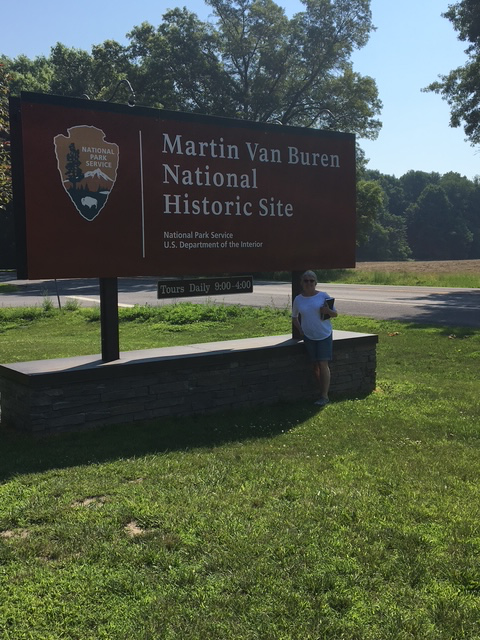
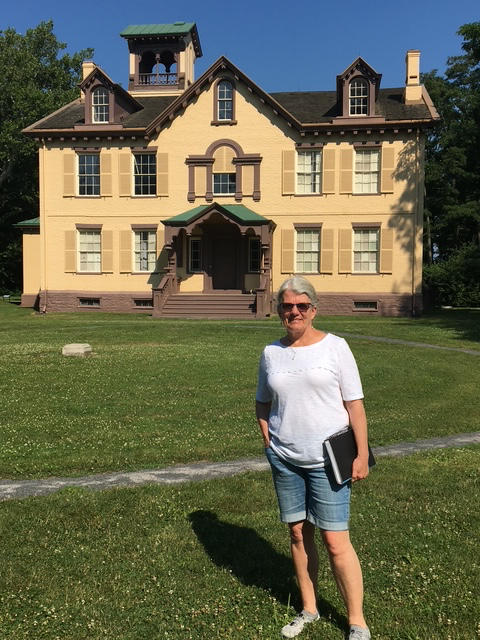
An often-forgotten president, Martin van Buren, is remembered at his home, Lindenwald, in Kinderhook, New York. This site is now preserved as the Martin Van Buren National Historic Site. I have visited this house a couple of times, and the house itself leaves an impression, especially with its distinctive French scenic wallpaper that wraps entire rooms in sweeping pastoral scenes. It feels both refined and bold for a mid-19th century American statesman.
Lindenwalds began as an 18th century Dutch farmhouse before being expanded into a grand Federal style home. Van Buren purchased it in 1839 after leaving the White House, and it became his political and personal retreat for the rest of his life. The house reflects his Durch heritage, political sophistication and a strong attachment to Kinderhook, where he was born and raised.
Unlike many presidents who are remembered for dramatic events, Van Buren’s legacy is more foundational. He was the 8th President of the United States (1837-1841) and a key architect of the modern American political party system. As Andrew Jackson’s vice president and successor, he helped organize the Democratic Party into a national structure.
His presidency was dominated by the Panic of 1837, a severe economic depression that came shortly after he took office. The financial crisis overshadowed his term and contributed to his defeat after one term. Historians remember him as shaping the structure of American electoral politics.
This site was authorized as a National Historic Site in 1974 by Congress and signed by President Gerald Ford. Its designation recognized Van Buren’s role in developing the American party system and preserving the home where he continued to influence politics long after leaving office.
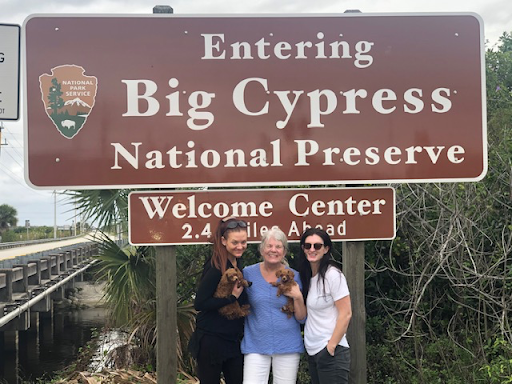
Read More From Nancy

Scotts Bluff National Monument – Nebraska
Another memorable stop on our 1995 family cross-country road trip was Scotts Bluff National Monument in western Nebraska. Coming from the eastern part of the country, we wanted our daughters to see first-hand what life was like for families who traveled west by wagon train. Rising from the plans, Scotts Bluff was one of the […]
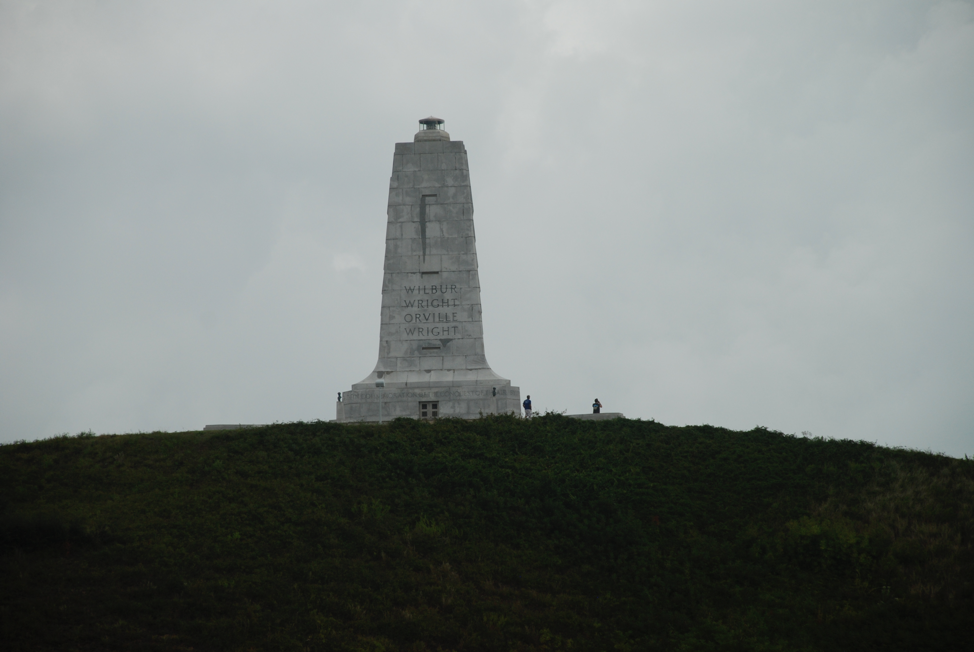
Wright Brothers National Memorial – North Carolina
When visiting the Outer Banks of North Carolina, Erin and I spent a day at the Wright Brothers National Memorial, the very place where powered flight first lifted off the plane and changed human history. Set in Kill Devil Hills, the memorial preserves the windswept dunes where Wilbur and Oliver Wright achieved the world’s first successful, […]
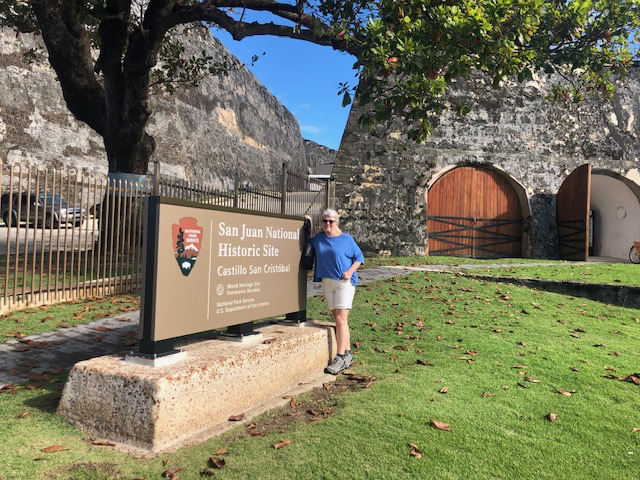
Old San Juan Historic Site – Puerto Rico
Walking through the San Juan National Historic Site in Puerto Rico feels like stepping into four centuries of Atlantic world history. Perched above the waters of San Juan Bay, these massive stone fortifications stand as reminders of an era when empires fought to control the New World. Spain poured enormous resources into protecting this small island […]

