Lotus Temple – Delhi India
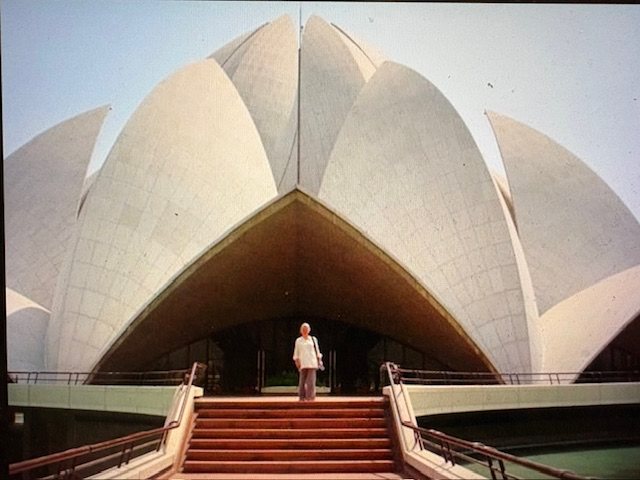
The Lotus Temple in Delhi is one of those places that has stayed with me long after I visited it. This is a place where silence surrounds you. In a city as vibrant, crowded and sensory-rich as Delhi, the stillness of this temple was powerful.
Completed in 1986, the Lotus Temple is a Baha’i House of Worship, open to people of all faiths and backgrounds. There are no sermons, clergy or prescribed rituals but a space meant for prayer, meditation and reflection. The silence is central to the Baha’i understanding of worship where the communion with the divide is personal, inward and best approached without intermediaries.
The temple belongs to the Baha’i Faith, which emerged in 19th century Persia. This faith teaches the oneness of God, the unity of all religions and the oneness of humanity. Rather than seeing religions as competing belief systems, the Baha’i understands them as successive chapters in a single spiritual story.
The architectural form of the Lotus Temple reflects these ideals of unity and universality. The lotus flower is long associated in Indian culture with purity, enlightenment and spiritual awakening was chosen deliberately. The building is composed of 27 white marble petals arranged into nine sides.
The Delhi Lotus Temple is part of a global network of Baha’i Houses of Worship, with one primary temple established on each continent. Each is architecturally distinct and serves the same purpose as a place of quiet reflection.



Read More From Nancy

Soweto – South Africa
I have just returned from my first visit to Africa: South Africa, a journey that began primarily as a professional one. I traveled there to meet and work alongside fellow chiropractors, but I also felt a strong pull to explore and better understand the country itself. Before arriving, my knowledge of South Africa was quite […]
Gothic Barcelona Cathedral – Spain
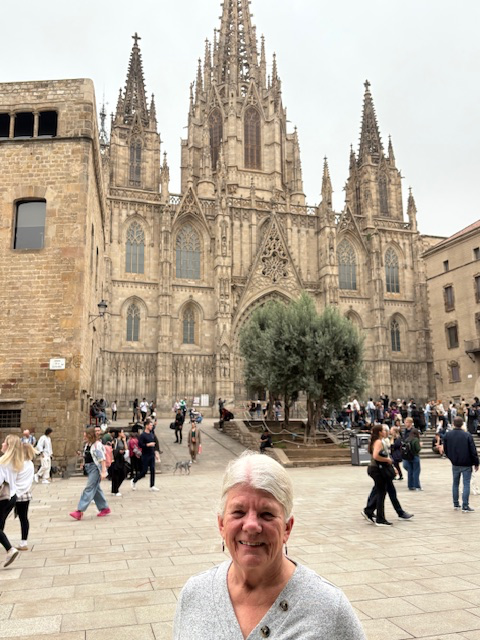
Standing before the towering walls of Barcelona Cathedral, the structure reminds us of just how ambitious medieval builders dared to be. The construction of the cathedral began in 1298, during Barcelona’s golden age as a Mediterranean trading power. What we walked through today is largely the product of more than 150 years of work. The main Gothic body […]
Sacre-Coeur Cathedral – Paris
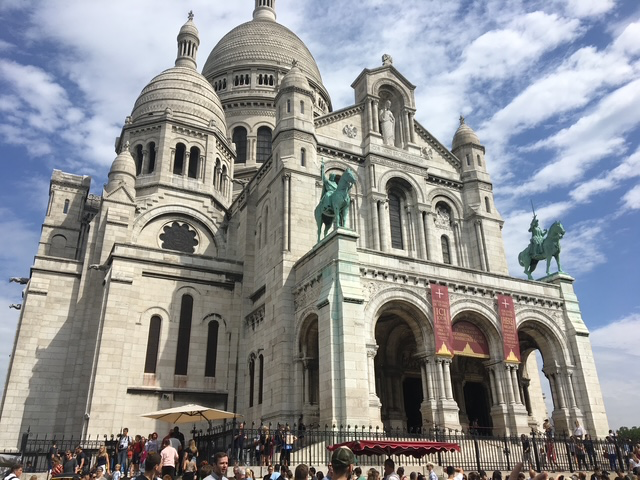
Rising above the rooftops of Paris from the summit of Montmartre, the domes of Sacre-Coeur dominate the skyline. From almost anywhere in the city, the basilica’s white stone catches the light by day and glows softly at night, anchoring the northern horizon. The church was conceived in the emotional aftermath of France’s defeat in the […]

