Lilian Ngoyi – Soweto, South Africa
On our teaching trip to South Africa, we took a tour of Soweto and stopped outside a modest home that holds extraordinary history: the house of Lilian Masediba Matabane Ngoyi.

Lilian Ngoyi was one of the most prominent women in the anti-apartheid movement. A trade unionist and political leader, she became the first woman elected to the executive committee of the African National Congress (ANC). In 1956, she helped lead the historic Women’s March on Pretoria, where more than 20,000 women protested the pass laws imposed on Black South Africans.
For her activism, Ngoyi paid a heavy price.
Under the Suppression of Communism Act of 1950, the apartheid government issued banning orders that silenced and isolated political leaders. For more than 18 years, until her death in 1980, Lilian Ngoyi was banned from public life. She was confined to her home in Soweto, restricted in whom she could meet, forbidden from attending gatherings and cut off from political activity.
Within those walls lived a woman whose courage challenged a system built on racial segregation and oppression. Standing outside this house, the reality of those years becomes tangible.
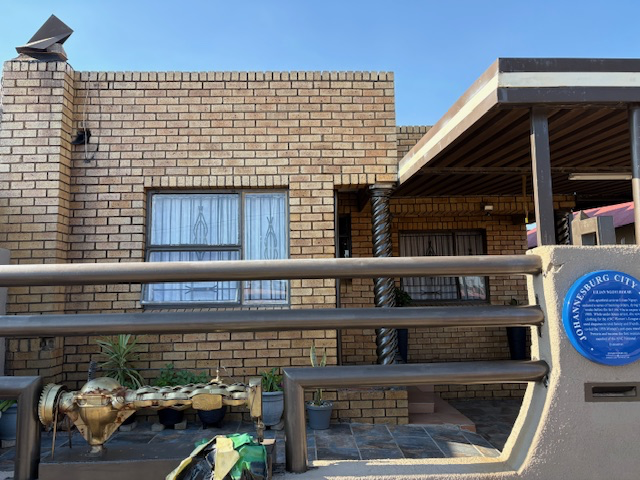
Outside the house is a symbol of how she supported herself during those years of isolation, a representation of a sewing machine. Before her political rise, Ngoyi had worked in the garment industry, and sewing became a means of income when her banning orders limited employment opportunities. The image is powerful: a woman silenced publicly, yet continuing providing for herself through skill and determination.
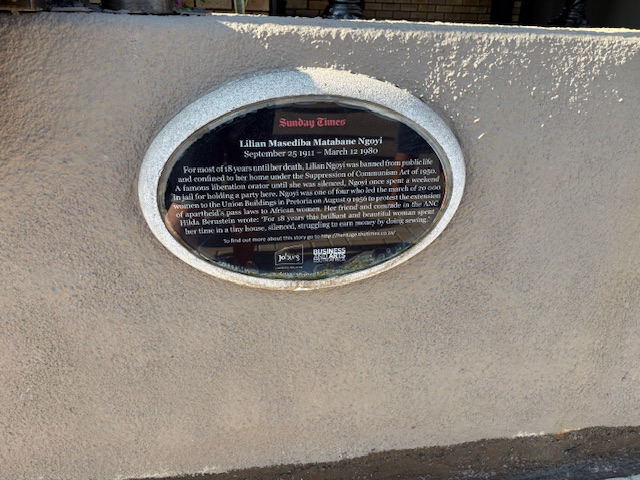
Ngoyi’s home represents a personal dimension of the resistance history of Soweto.
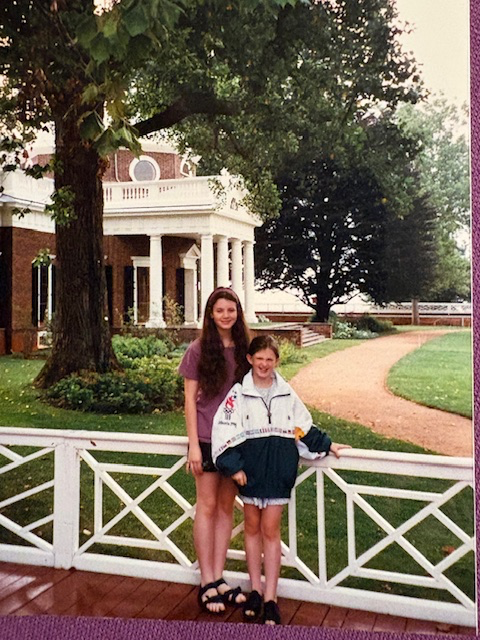
Read More From Nancy
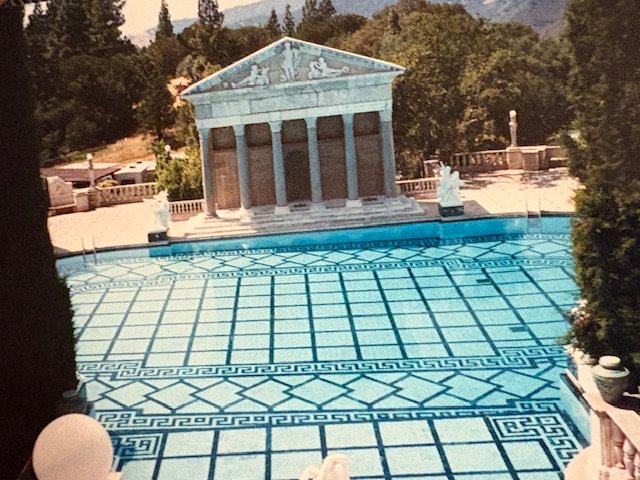
Hearst Castle – California
On our family road trip down the coast of California, we stopped at Hearst Castle, the estate rising above the Pacific along Highway 1. You see if from below first. perched high on the Enchanted Hill, as if it were a Mediterranean palace transported to the rugged California coastline. The house was built for William […]
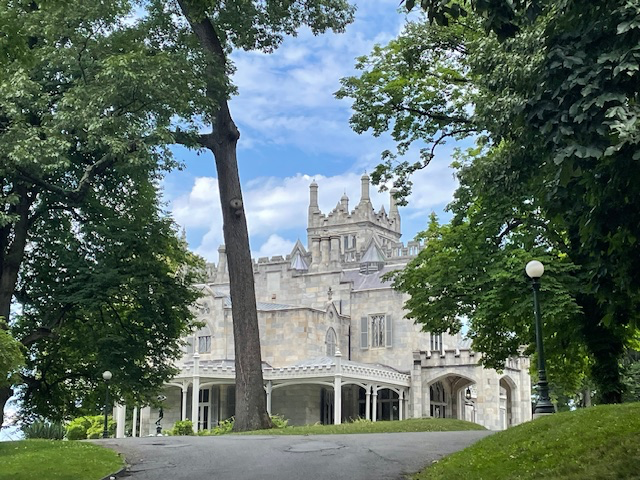
Gould House – Jay Gould’s Lynhurst
I visited the Gould House, known as the Lyndhurst Mansion with Marty. Perched high above the Hudson River in Tarrytown NY, the limestone mansion looks like a story book home with turrets and spires. Lyndhurst is one of the finest examples of the Gothic Revival style in America. When Jay Gould, the railroad tycoon, and […]
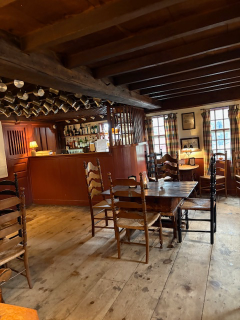
The Wayside Inn
On a beautiful October day (2025), I drove to Sudbury, Massachusetts. There are so many places I’ve visited without taking a photo or leaving a written memory, so this time, I set out to capture the Wayside Inn, to record its presence and share it with you. Here in New England, we are surrounded by places that […]

