Klondike Gold Rush Historical Park – Washington
The Seattle Visitor Center of the Klondike Gold Rush Historical Park sits in Pioneer Square, inside the historic Cadman Building. This was the heart of a young city eager for opportunity.
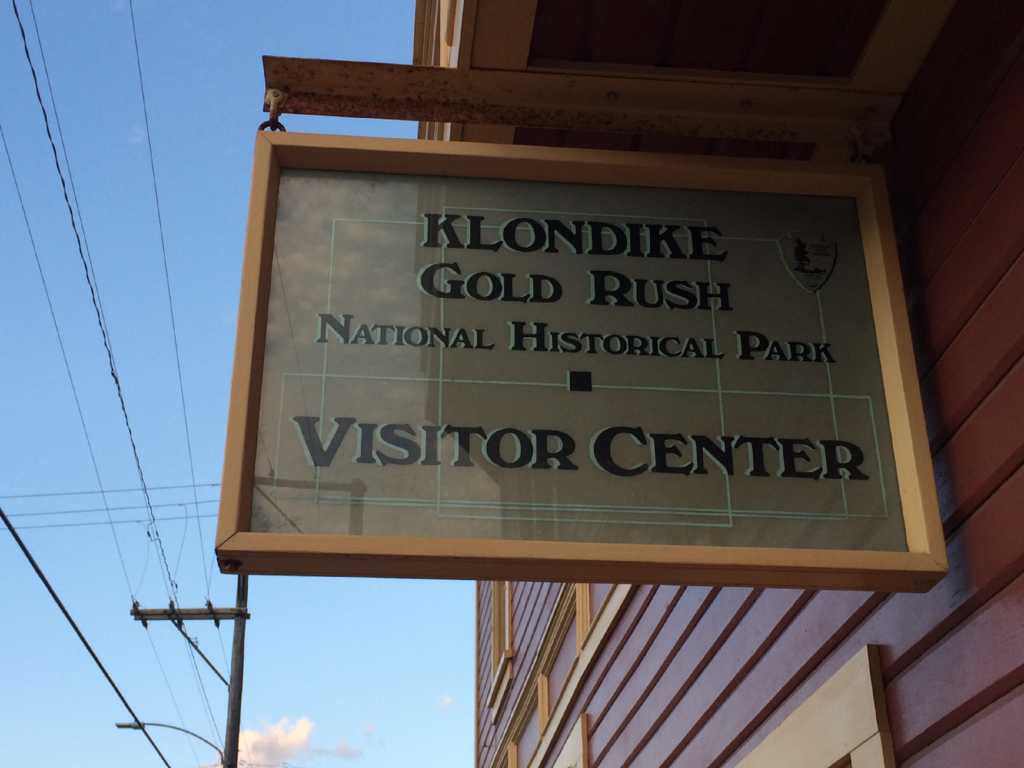
When news of gold discoveries in the Yukon reached the United States in 1897, Seattle seized the moment. Newspapers declared the city the “Gateway to the Gold Field.” Merchants advertised aggressively. Ships were loaded with hopeful stampeders and mountains of supplies. The exhibits in the Seattle unit tell how the city organized, marketed and profited from the rush north.
The park itself was established in 1976, when President Gerald Ford signed legislation creating Klondike Gold Rush National Park to preserve and interpret this pivotal chapter in American and Canadian history. The Seattle unit of this park tells the beginning of the story of the preparation, promotion and economic transformation that took place before the prospectors ever reached Alaska.
Inside the visitor center, one of the most compelling exhibits details the requirement imposed by Canadian authorities: each prospector had to bring nearly a ton of supplies to cross into the Yukon. The list included: flour, bacon, beans, tools, tents, winter clothing. The adventure required capital, endurance and extraordinary physical effort before gold was ever seen.
The exhibits make clear that while thousands departed with optimism, many never reached the gold fields. Some turned back after the brutal climb over the Chilkoot Pass. Others arrived too late, finding the richest claims already taken.
However, Seattle prospered. The city benefited. Transportation companies grew. Banks strengthened. The gold rush helped solidify Seattle’s place as a major economic center of the Pacific Northwest.
The Seattle unit tells the beginning of the journey.
Read More From Nancy
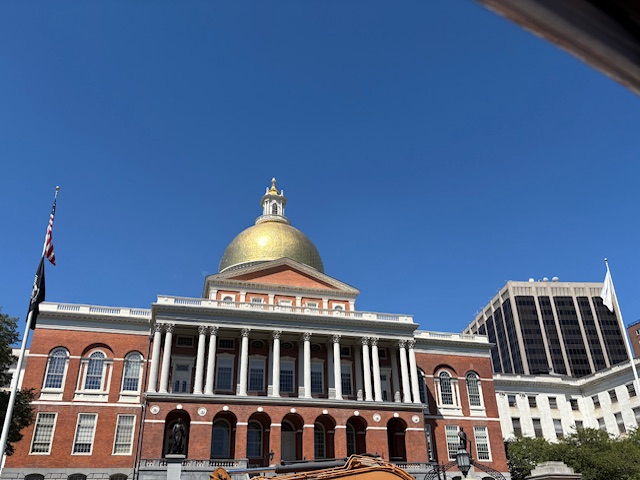
Walking the Freedom Trail: Where America’s Revolution Still Echoes – Massachusetts
My journey through the national parks may have begun with Minute Man, but it didn’t end there. Here in Massachusetts, we embrace our colonial past, and whenever friends visit, I love to take them to Boston and walk the Freedom Trail. This 2.5-mile path winds through the city’s streets, marked by a red line that […]
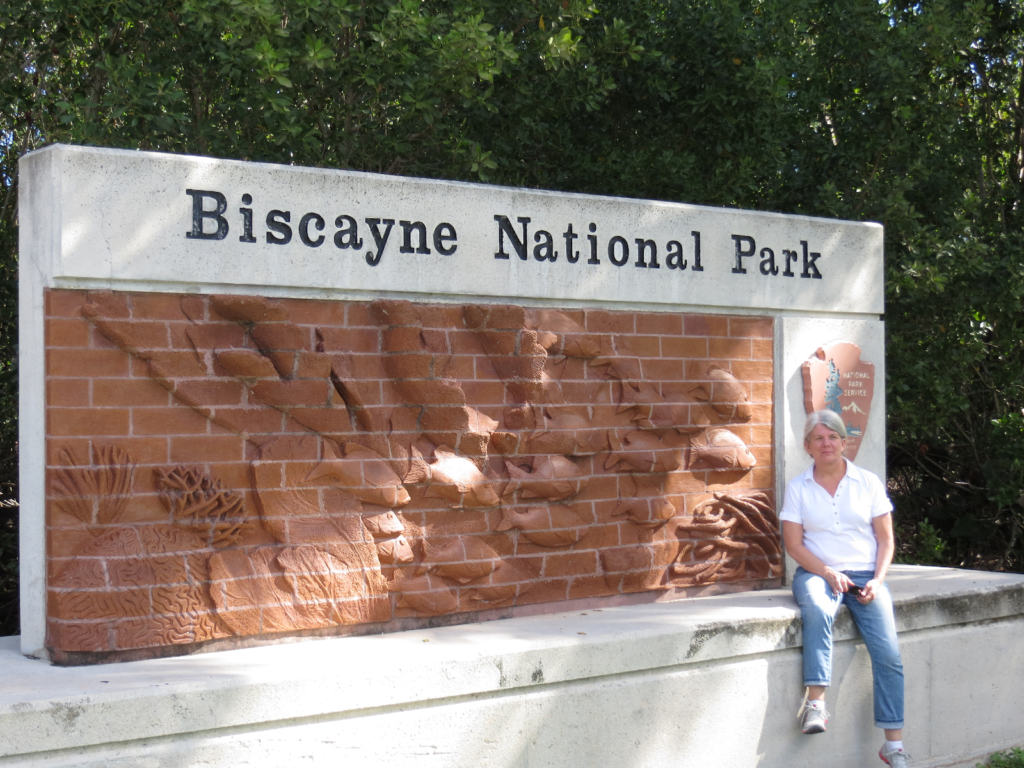
Biscayne National Park – Florida
Just south of Miami’s skyline lies a park that is nearly entirely water. Biscayne National Park was established in 1980 by President Jimmy Carter to protect one of the most fragile ecosystems in the country: mangrove shorelines, seagrass beds, coral reefs and the northernmost keys of the Florida Reef Tract. Nearly 95% of the park is […]
White Sands National Park – New Mexico
White Sands is one of those landscapes that feels almost otherworldly as there is wave after wave of white dunes stretching across the Tularosa Basin in southern New Mexico. What surprised us most was these dunes are not sand but are made of gypsum. Gypsum is a soft mineral that usually dissolves in water, but here, because of the […]

