KGB Museum
While traveling in Tallinn, Emily and I visited one of the most fascinating historical sites in the city: the Hotel Viru and KGB Museum. What appears from the outside to be a typical large hotel from the Soviet era holds a remarkable and somewhat chilling story hidden within its upper floors.
The hotel opened in 1972, during the time when Estonia was part of the Soviet Union. Tallinn was one of the few places within the Soviet Union where Western tourists were allowed to visit, and hotel Viru was built specifically to accommodate those foreign travelers.
But the hotel served another purpose as well.
On the 23rd floor, which was intentionally left off the elevator buttons, the Soviet secret police, the KGB, operated a hidden surveillance center. From this secret floor, agents monitored hotel guests, listening to conversations and keeping watch on visitors from Western countries.
Rooms throughout the hotel were reportedly equipped with hidden microphones, and the KGB closely tracked diplomats, journalists and tourists who stayed here. The entire operation was designed to gather intelligence and control interactions between Soviet citizens and foreigners during the tense years of the Cold War.
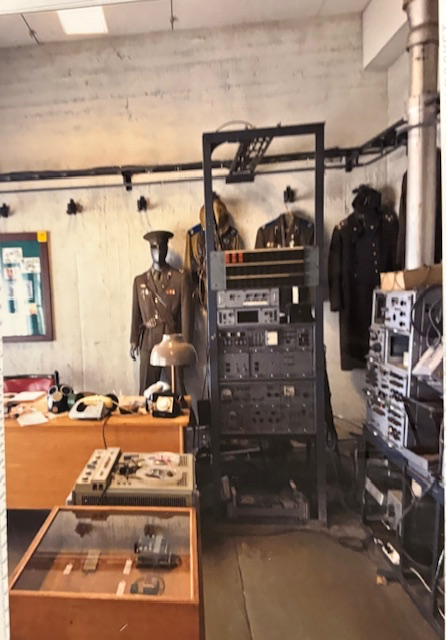
When Estonia regained its independence in 1991, KGB officers quickly abandoned the surveillance rooms. In their haste, they left behind equipment, documents and listening devices that had been used to monitor guests.
Visiting this museum with Emmy was like stepping behind the curtain of history. It offered an extraordinary window into the world of Cold War surveillance and the reality of life in a society where even a hotel stay could be monitored.

