Kew Gardens – London
On a free afternoon from teaching, Marty and I took the train out to Kew Gardens. It was restorative to step away from the city and let a train carry us toward this green space. The gardens felt expansive and peaceful, with wide lawns and winding paths.
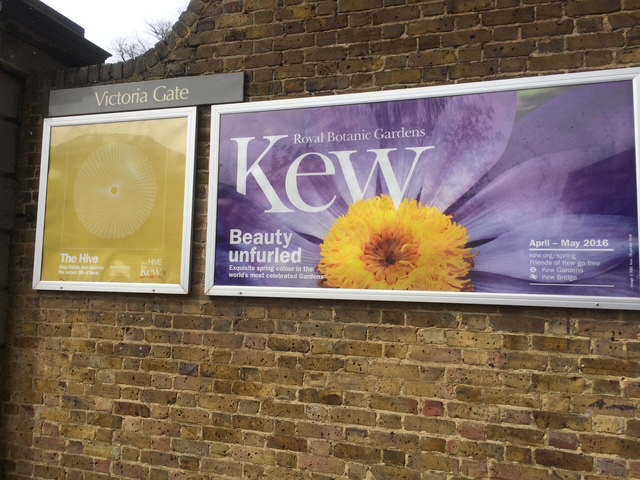
Kew began as a royal garden in the early 18th century. It was first developed by Princess Augusta, the mother of King George III, who transformed the land into a botanic garden focused on collecting and studying plants from around the world. During the height of Britain’s global exploration, plant specimens were brought back from distant continents and cultivated here. Over time, Kew evolved into a leading scientific institution. Today it is a UNESCO World Heritage Site and one of the most important botanical research centers in the world.
We stepped into the Palm House, the Victorian glass structure built between 1844 and 1848. Inside the air is humid, warm and filled with tropical growth. The curved iron ribs and vast panes of glass are masterpieces of 19th century engineering.
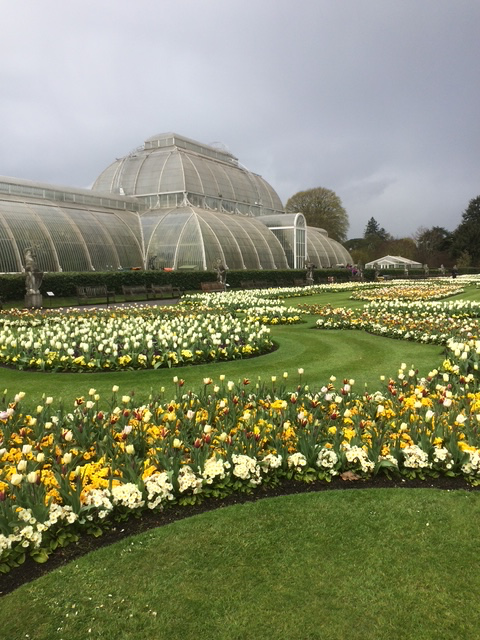
We also visited the Temperate House, completed in 1899, the largest surviving Victorian glasshouse in the world and the Orangery, bui8ld in 1761 to shelter citrus trees through England’s cold winters.
We eventually settled in for afternoon tea – my most favorite activity. These small pauses in our schedule are sometimes just enough.
Read More From Nancy
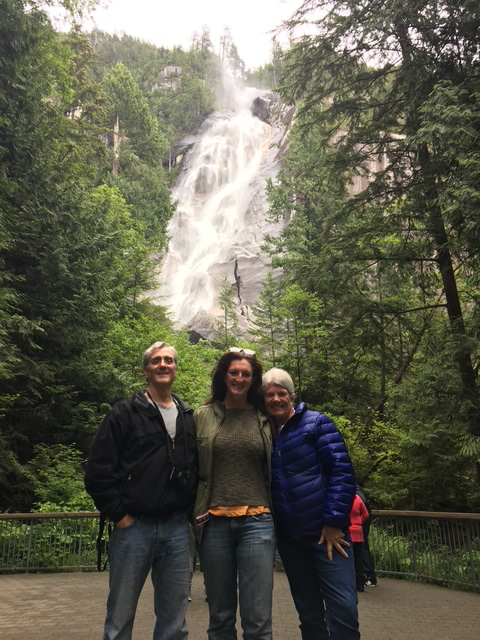
Shannon Falls – British Columbia, Canada
After teaching in Vancouver, we decided to take a few days to spend some time in beautiful British Columbia. We headed toward Whistler, following the Sea-to-Sky Highway, a drive that lives up to its name with views that shift between ocean, mountains and forest. Along the way, we stopped at Shannon Falls. Even seeing it, you can hear […]
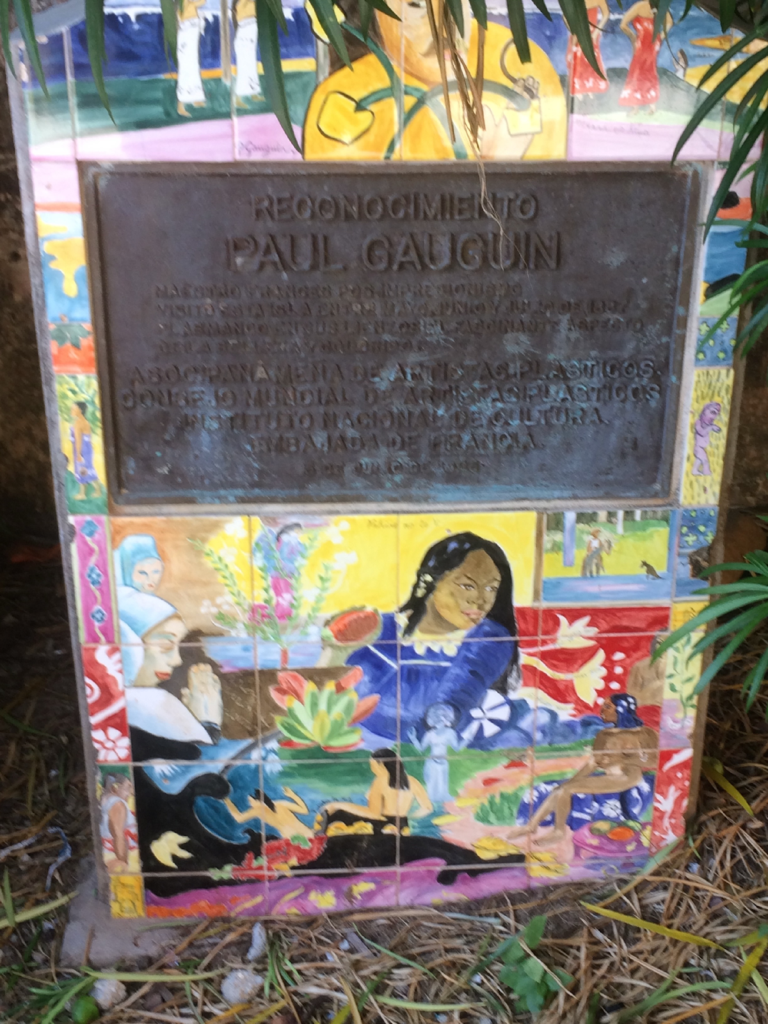
Gauguin moment on Taboga Island – Panama
While in Panama, we took a ferry across the Gulf to Taboga Island to spend the day on the beach and enjoy some local food. The ride itself was pleasant as the busy skyline of Panama City faded and we approached this small island known for its bright buildings. The beach itself was disappointing, but […]
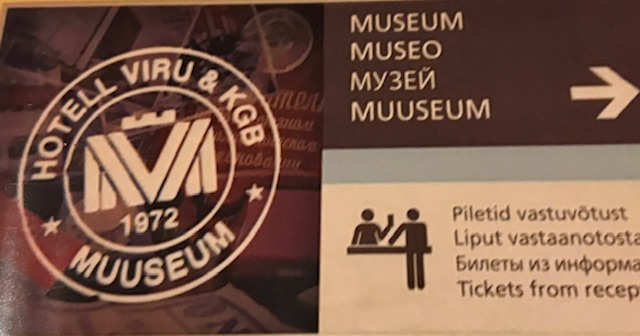
KGB Museum in Tallinn – Estonia
While traveling in Tallinn, Emily and I visited one of the most fascinating historical sites in the city: the Hotel Viru and KGB Museum. What appears from the outside to be a typical large hotel from the Soviet era holds a remarkable and somewhat chilling story hidden within its upper floors. The hotel opened in 1972, during […]

