Kaloko-Honokohau National Historical Park – Hawaii
Visiting Kaloko-Honokohau National Historical Park on the Big Island is an encounter with a living cultural landscape that reflects how Natick Hawaiians sustained themselves for centuries in balance with land and sea.
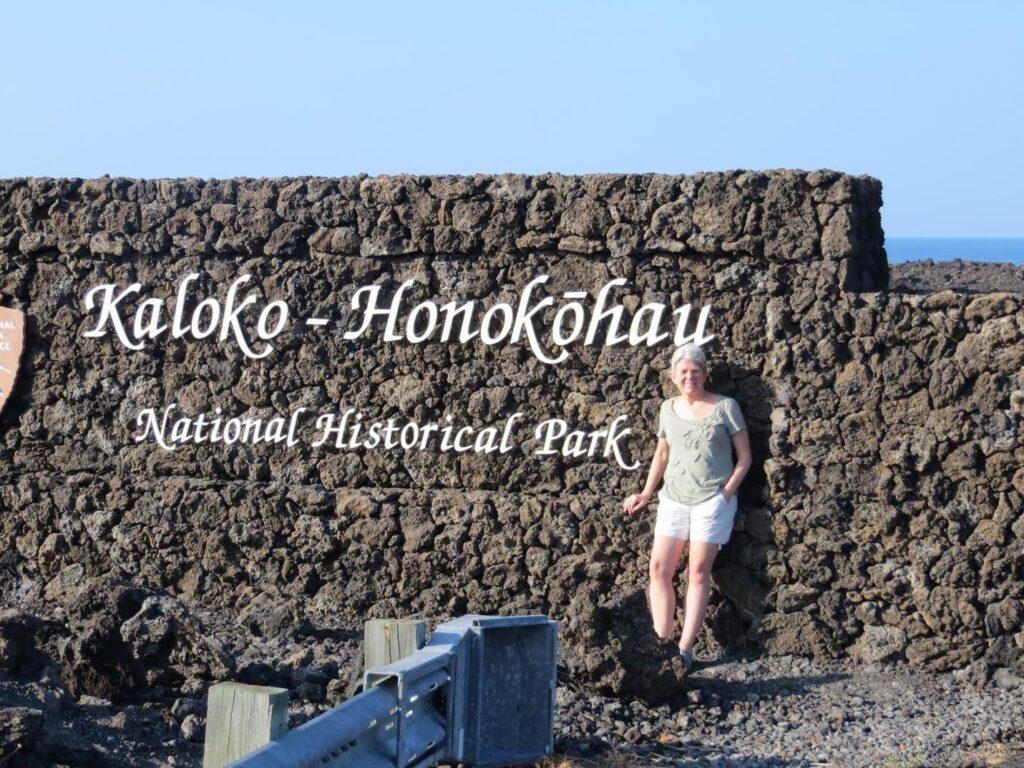
In the park are the traditional fishponds built from lava rock and guided by tidal flow. Fish were allowed to enter and grow which provided a renewable food source. The surrounding lava fields hold the imprint of everyday life: house platforms, petroglyphs and the remains of a village.
Recognizing the national significance of this place, Jimmy Carter signed legislation in 1978 establishing Kaloko Honokohau as a National Historical Park. This designation marked a growing acknowledgement that indigenous knowledge systems are central to the American story and deserve to be protected.

Read More From Nancy
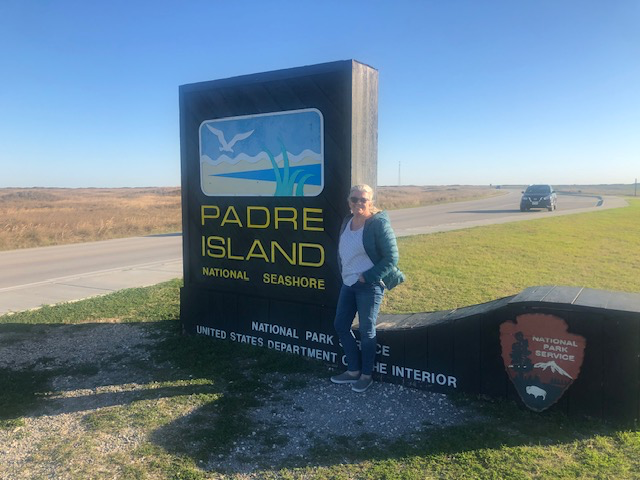
Padre Island National Seashore – Texas
On one of our seminars in Texas, we took the time to drive down to Padre Island National Seashore. The landscape changed as we approached the coast. Texas roads gave way to stretches to water and salt air. Padre Island National Seashore protects the longest undeveloped barrier island in the world, nearly seventy miles of […]
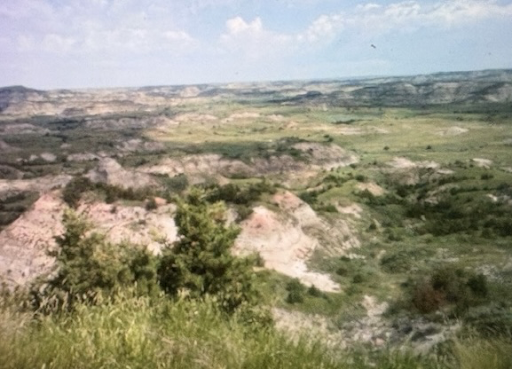
Theodore Roosevelt National Park – North Dakota
I have traveled with intention, seeking out the place that tells the fuller stories of the Presidents of the United States. Over the years, I have visited all the Presidential libraries, along with many of their birthplaces, homes and the lesser-known sites that reveal who these men were beyond their public offices. It is often these […]
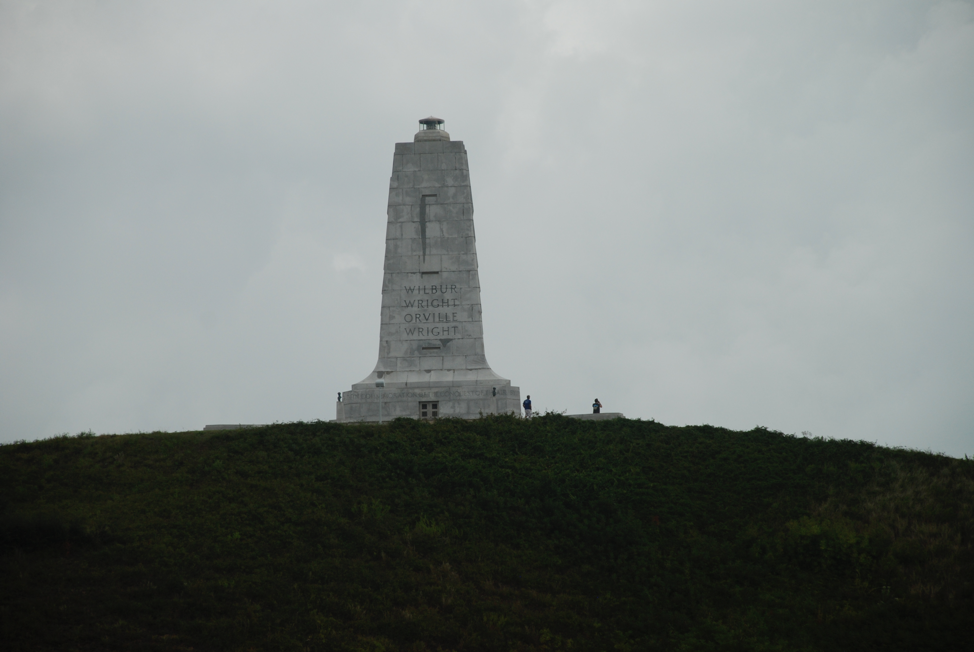
Wright Brothers National Memorial – North Carolina
When visiting the Outer Banks of North Carolina, Erin and I spent a day at the Wright Brothers National Memorial, the very place where powered flight first lifted off the plane and changed human history. Set in Kill Devil Hills, the memorial preserves the windswept dunes where Wilbur and Oliver Wright achieved the world’s first successful, […]

