Hopewell Furnace National Historic Site – Pennsylvania
While traveling in southeastern Pennsylvania, we visited this early industrial landscape of American history: Hopewell Furnace National Historic Site. Walking around this site brings us back two centuries with stone furnace stacks, workers’ houses and the ironmaster’s mansion.
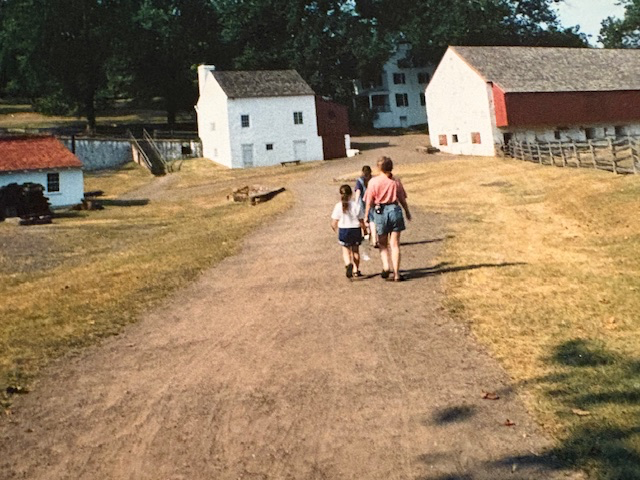
Hopewell Furnace began operation in 1771, founded by ironmaster Mark Bird at the time when the colonies were hungry for domestic industry. Charcoal fired blast furnaces were the engines of an emerging nation, producing stove plates, tools, pots, cannon shot and hardware essential to daily life and wartime needs. During the American Revolution, furnaces such as Hopewell helped supply the Continental cause.
What made Hopewell remarkable was that it was an entire self-contained world. Known as an “iron plantation”, the site functioned as both factory and village. The surrounding forest was cut for charcoal, fields were farmed to feed the workers and the tradesmen, and kept the enterprise running. Families lived in stone cottages and children grew up in the shadow of roaring fires.
The furnace operated for more than a century before closing in 1883. Recognition came in the twentieth century, when historians and preservationists realized how rare a complete iron-making community had become. In 1966, the federal government stepped in to protect it with Lyndon B. Johnson signed the legislation establishing Hopewell Furnace as a unit of the National Park System.
America’s growth was forged in the rural valleys as in the famous cities. Hopewell Furnace reminds us of this and the anonymous laborers whose lives revolved around the fire, stone and iron. Here raw material became the hardware of a new nation.

Read More From Nancy
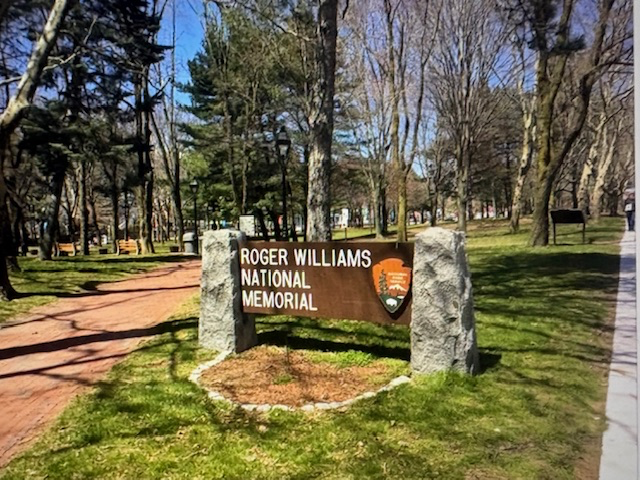
Roger Williams National Memorial – Rhode Island
Roger Williams National Memorial in Providence, Rhode Island preserves the legacy of a man whose ideas helped shape one of the most enduring principles of American life: religious freedom. Roger Williams arrived in the Massachusetts Bay Colony in 1631 and quickly became known for his uncompromising beliefs. He argued that civil government should not enforce […]
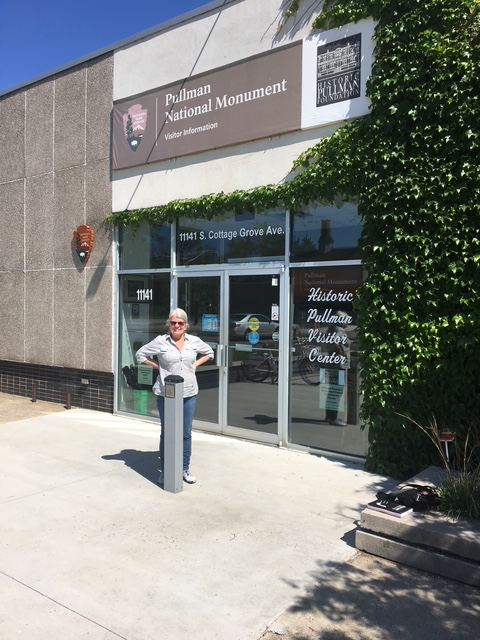
Pullman National Monument – Illinois
While teaching in Chicago in 2018, we took a trip to Pullman National Monument, a relatively new addition to the National Park Service at the time. The Pullman community was a grand idea. It was created in the 1880s by George Pullman, founder of the Pullman Palace Car Company. His vision was to create a […]
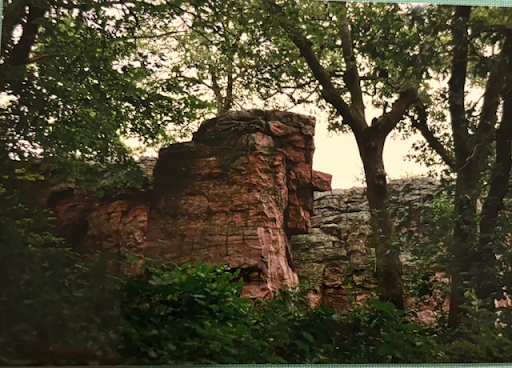
Pipestone National Monument – Minnesota
During our 1995 cross-country road trip, our route carried us through a part of Minnesota, where we stopped at one of the most remarkable sites: Pipestone National Monument. Here, the soft red stone, pipestone, has been quarried for centuries by Native people and carved into ceremonial pipes used in prayer and spiritual life. This is […]

