Harriet Tubman House
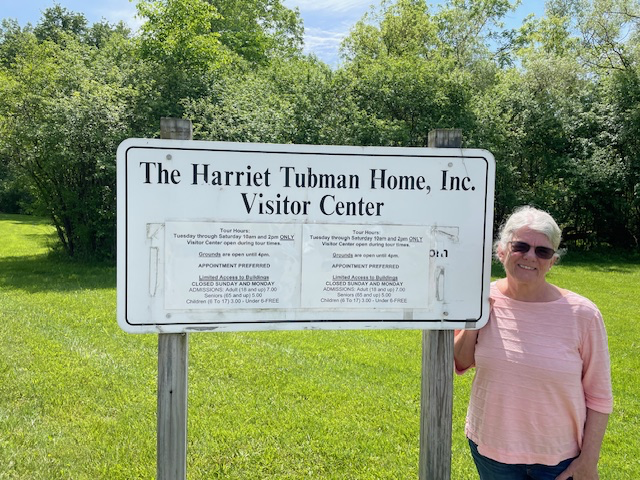
When I visited the Harriet Tubman Visitor Center in Upstate New York in 2024, I was familiar with her daring rescue stories and her work with the Underground Railroad. I learned more about the remarkable courage of her life after those dangerous journeys. Her story did not end when she stopped guiding enslaved people to freedom.
After the Civil War, Harriet Tubman moved permanently to Auburn, New York, a community that became her home for the rest of her life. She came to Auburn through her relationship with William Seward, the U.S. Senator and Secretary of State under President Lincoln. The Steward family were committed abolitionists and their home in Auburn was a gathering place for anti-slavery leaders.
What struck me was the generosity that Seward extended to Harriet Tubman. At a time when a Black woman could not legally buy property, he privately arranged the sale of a home and several acres of land to her. He and his wife sold the property at a reduced price and held the mortgage themselves.
From her home in Auburn, Harriett’s life continued to unfold. She opened her doors to family members, freed people, the poor and anyone who needed shelter. She became a suffragist speaking for women’s right to vote. In her later years, she founded the Harriet Tubman Home for Aged and Indigent Colored People, ensuring the care for those that had nowhere else to go.
Tubman’s Christian faith sustained her from childhood onward. After a traumatic head injury as a young, enslaved girl, she began experiencing powerful dreams and visions. She believed these were messages sent directly from God. Her faith shaped her courage and her sense of mission. She saw herself guided not only by moral conviction, but by spiritual calling.
Harritt Tubman’s courage did not end with the Underground Railroad. Here is Auburn NY you can see the community she built, the refuge she offered and the legacy of compassion that has endured.

Read More From Nancy
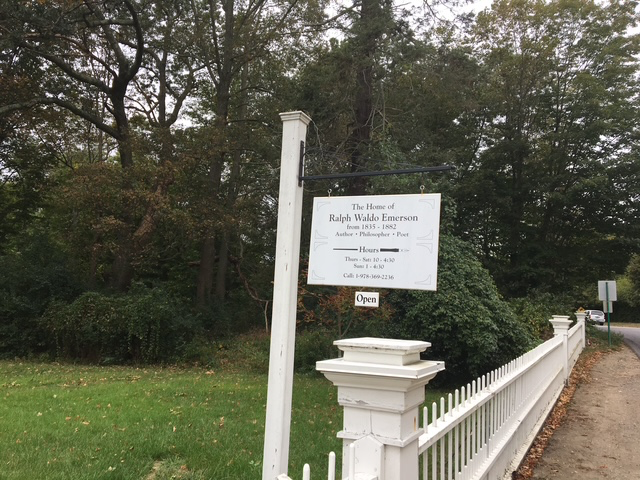
Ralph Waldo Emerson’s House
When you step inside Ralph Waldo Emerson’s house in Concord, MA, you can feel the presence of a man whose ideas helped shape American thought. One of the objects in the entry hall of his home is his walking cane. This is the same cane he carried on his daily walks that inspired so many of […]
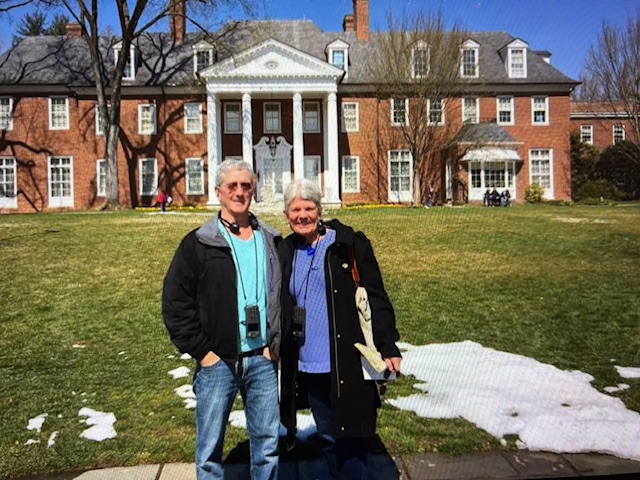
Hillwood Estate – Washington DC
While we were at a convention just outside of Washington, D.C., we took a morning to drive over to this house, not only was the home beautiful, so was the collection inside it. Hillwood Estate was the residence of Marjorie Merriweather Post, the heiress to the Post cereal fortune and one of the wealthiest women in America in […]
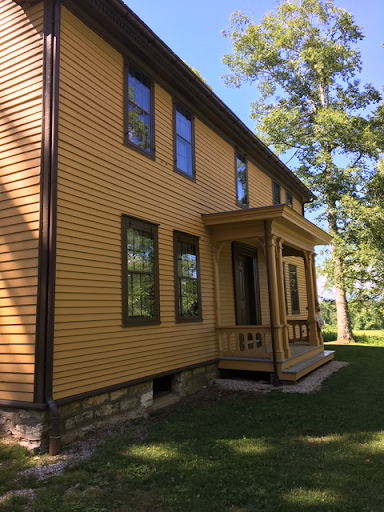
Arrowhead
I’ve visited Arrowhead a couple of times over the years, and each visit leaves me with a deep appreciation of the home and the life that lived within its rooms. Nestled among the hills of Pittsfield, MA, this farmhouse holds an important chapter in American literary history. It was here, from 1850 to 1863, that Herman […]

