Gellért Baths
No visit to Budapest would be complete without experiencing the thermal baths that have made the city famous around the world. Fed by natural hot springs that rise beneath the city. Budapest has been a destination for healing waters since Roman times, with the tradition continuing through the centuries under Hungarian and Ottoman influence. During our visit, we chose one of the city’s most celebrated bath complexes: The Gellert Baths.
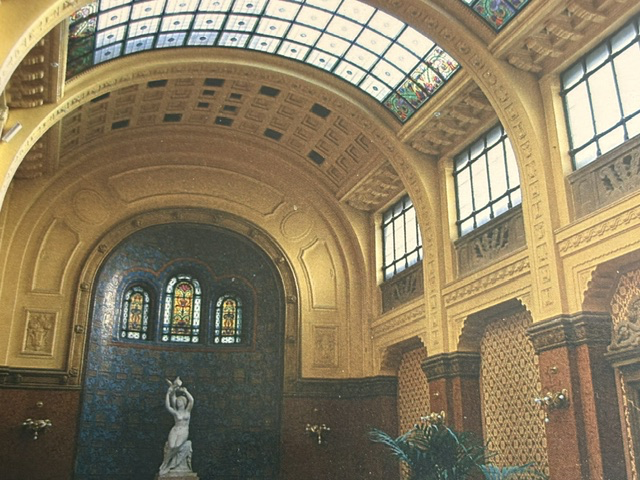
Located within the historic Danubius Hotel Gellert at the foot of Tellert Hill, the baths opened in 1918 and quickly became known for their elegant Art Nouveau design. Walking into the main hall felt less like entering a spa and more like stepping into a grand European palace. Decorative columns, stained glass windows, intricate tilework, and soaring ceilings create an atmosphere of beauty that reflects the golden age of Budapest at the beginning of the twentieth century.
The thermal waters themselves emerge from natural springs deep beneath the city, rich in minerals, these waters have long been associated with relaxation and therapeutic benefits. We move among the variety of pools with different temperatures, enjoying a tradition that has drawn people here for generations.
For centuries, people have come to Budapest seeking the restorative qualities of its thermal waters. Experiencing the Gellert Baths offered not only a chance to relax but also an opportunity to participate in a tradition deeply woven into the history and culture of the city.
It was a memorable reminder that some of the most enduring attractions are experiences that connect us to the rhythms of everyday life in a place.
Read More From Nancy
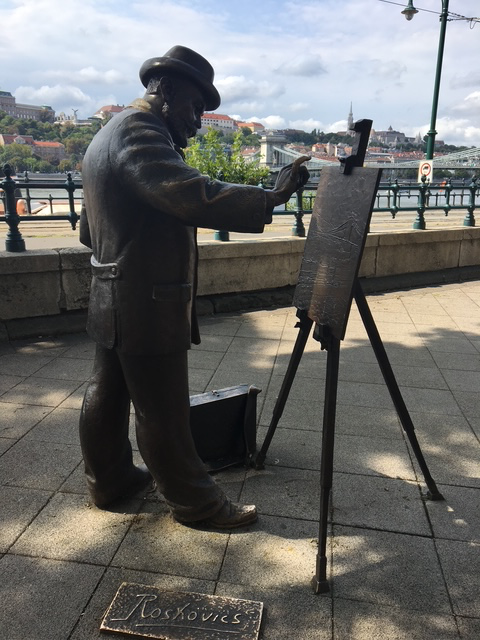
Painting the Beauty of Budapest
Walking along the Danube Promenade in Budapest, we came upon this charming bronze statue of a painter standing at his easel, completely absorbed in his work. The figure is Ignác Roskovics (1854–1915), one of Hungary’s most respected painters, remembered for his portraits, religious works, and landscapes. Positioned beside the Danube, the statue captures him doing […]
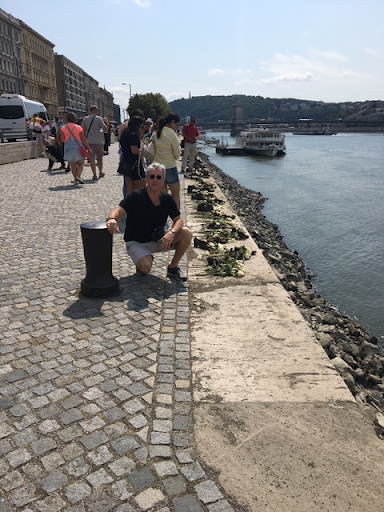
Shoes on the Danube
Budapest is a beautiful city known for its architecture, grand bridges. thermal bathhouses and a vibrant culinary scene. Among these pleasures, one of the most poignant moments of our visit came along the banks of the Danube. There, along the river’s edge, is a memorial known as “Shoes on the Danube Bank.” There are dozens […]
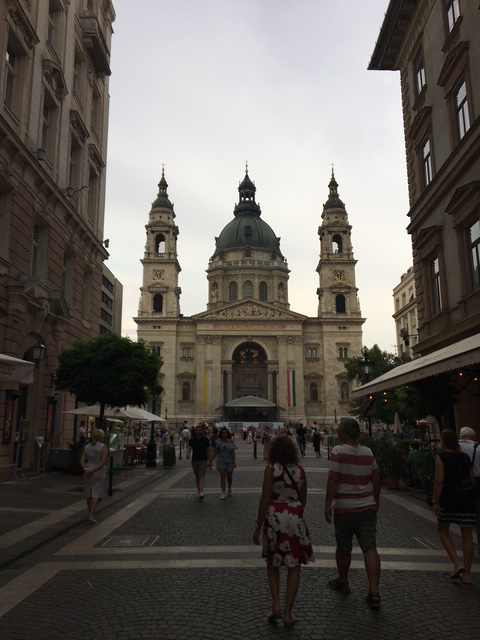
St Stephen’s Basilica
This photograph captures one of the grand landmarks of Budapest: St Stephen’s Basilica. Standing at the end of the broad pedestrian street, the basilica dominates the skyline with its massive dome, and the twin bell towers, creating one of the recognizable views of the city. Named after Stephen I of Hungary, the church honors the founder […]

