Fort Smith – Arkansas
While traveling around Arkansas, I visited Fort Smith National Historic Site. This fort was established in 1817, as a U.S. military post to project federal presence on a volatile frontier. From the beginning, it served as a gateway to the West, a place where eastern law met western uncertainty. The strategic position of this fort made it central during the era of the Indian removal and for the Native people displaced along the Trail of Tears. Fort Smith became a place of confinement and one of the last stops before exile.
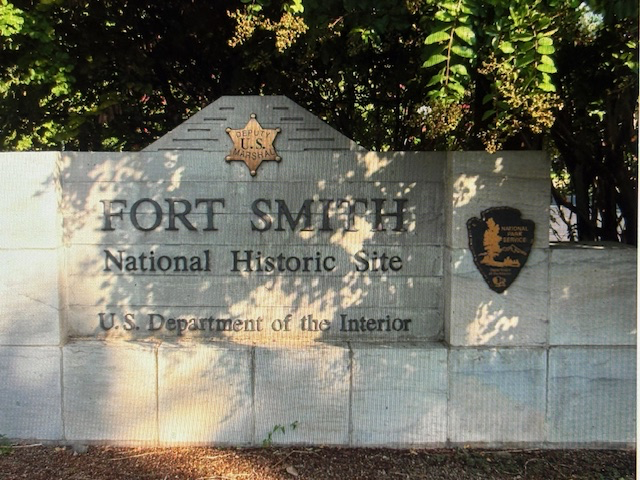
After the Civil War, Fort Smith took on another role when it became the seat of the Federal Court for Western Arkansas. It held jurisdiction over crimes committed in Indian Territory and from 1875 to 1896, the court was presided over by Isaac C. Parker, the “Hanging Judge”. During this time, 160 death sentences, 79 executions, were carried out on the fort’s gallows.
Recognizing the national significance of frontier expansion, Indian removal, federal justice and the struggle to impose order, Congress designated Fort Smith as a National Historic Site in 1961, a decision signed into law by John F. Kennedy. Fort Smith was preserved not for scenic beauty, but for its moral and historical complexity.
Fort Smith is a reminder that the American frontier was not only shaped by opportunity but by decisions. It is not a simple story of progress but an opportunity to ask the harder questions and to see the consequences of decisions that are worth confronting with honesty and without comfort.
Read More From Nancy

Scotts Bluff National Monument – Nebraska
Another memorable stop on our 1995 family cross-country road trip was Scotts Bluff National Monument in western Nebraska. Coming from the eastern part of the country, we wanted our daughters to see first-hand what life was like for families who traveled west by wagon train. Rising from the plans, Scotts Bluff was one of the […]
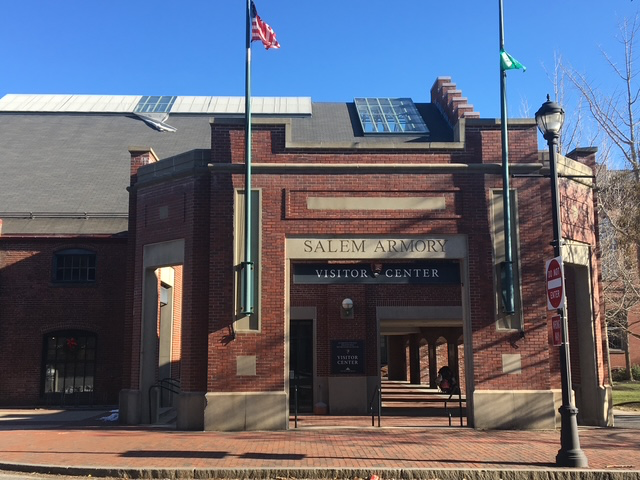
Salem Maritime National Historic Site – Massachusetts
In Massachusetts, many visitors come to Salem searching for the echoes of the 1692 witch trials. But along the waterfront stands another Salem story, older in infrastructure, broader in reach and foundational to the young nation’s economy. The Salem Maritime National Historic Site preserves nearly nice acres along the harbor that reflect Salem’s extraordinary maritime […]
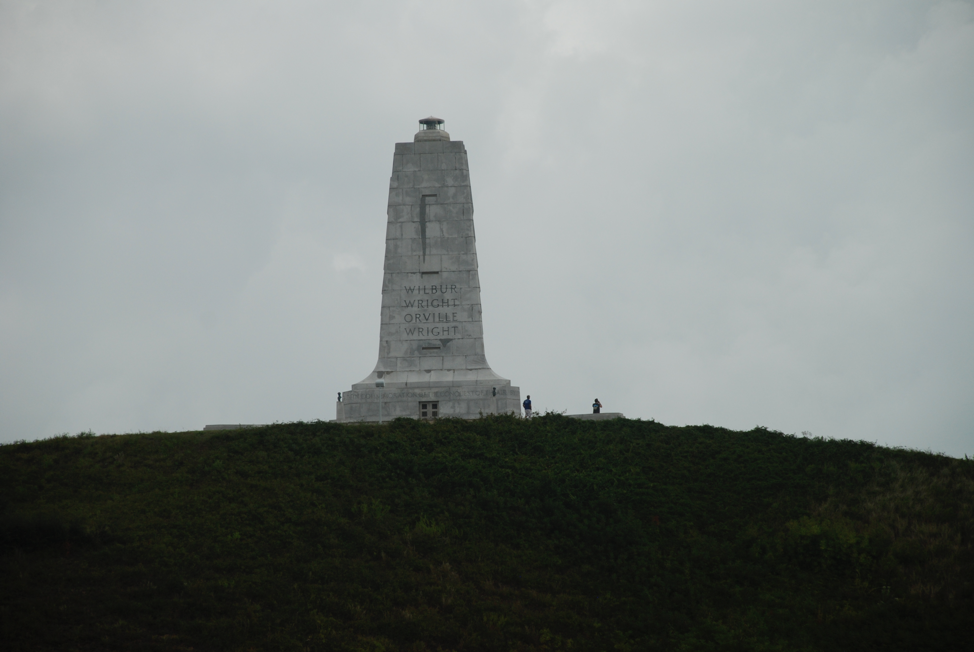
Wright Brothers National Memorial – North Carolina
When visiting the Outer Banks of North Carolina, Erin and I spent a day at the Wright Brothers National Memorial, the very place where powered flight first lifted off the plane and changed human history. Set in Kill Devil Hills, the memorial preserves the windswept dunes where Wilbur and Oliver Wright achieved the world’s first successful, […]

