Digital Equipment Corporation
The brick mill buildings beside the Assabet River helped establish Maynard as a textile town. In 1957, those same buildings became the starting place for a company that would help change how people used computers: Digital Equipment Corporation, commonly known as DEC.
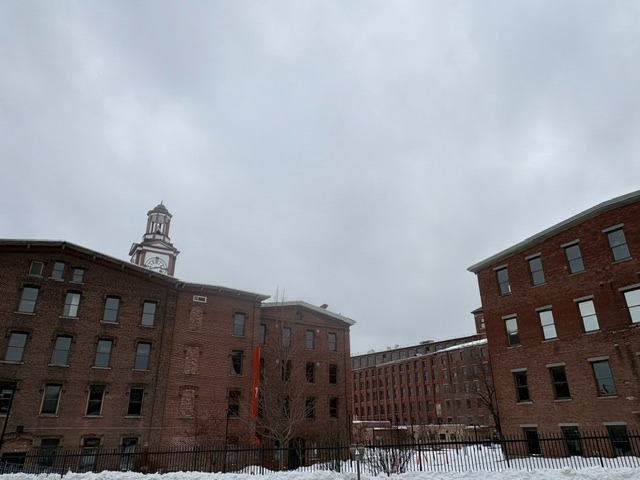
Ken Olsen and Harlan Anderson founded the business after working at MIT’s Lincoln Laboratory. With financial backing from American Research and Development Corporation, they rented a modest portion of the former woolen mill. Its available industrial space provided room for a small electronics company to begin.
DEC initially manufactured electronic circuit modules used by engineers for testing, experimentation, and control systems. These products supported the company while its founders pursued a larger ambition: developing computers that users could work with directly.
The resulting Programmed Data Processor series helped expand computing beyond large, centralized installations. Machines such as the PDP-8 brought computing within reach of smaller laboratories, businesses, and institutions. Engineers and researchers could use computers alongside the equipment and experiments they controlled.
As DEC grew, it occupied more of the mill complex, bringing new employment and international attention to Maynard. Buildings associated with textile production became workplaces for electronics manufacturing, engineering, and computer development.
The surviving complex connects two consequential chapters of industrial history. Its brick walls housed machinery that processed wool and, later, people developing tools for the information age. DEC’s beginnings in Maynard demonstrate how an established manufacturing landscape could provide the setting for a remarkably different industry.
Read More
Read More From Nancy
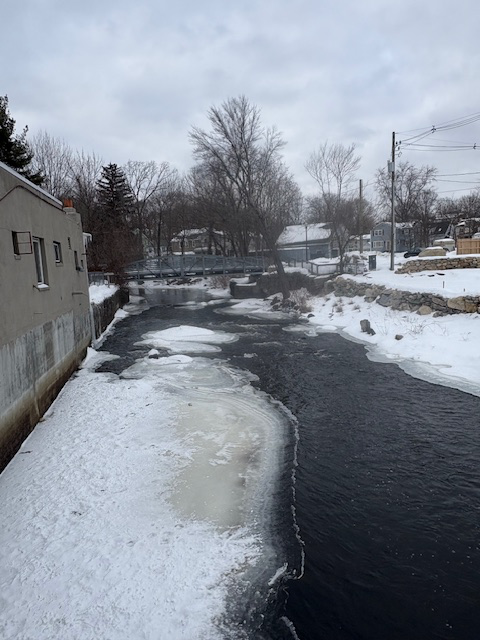
The Assabet River
Before there was a town, before there was a mill, there was the river. The Assabet River moves through Maynard, easy to pass without much notice. But it is the reason the town exists at all. Long before the building, before the clock town, before the industry that would define the town’s early years, the […]
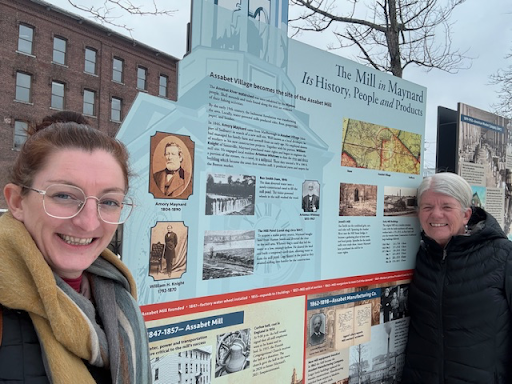
Assabet Woolen Mill
I have a kindred history explorer in my daughter Erin. We have traveled both near and far, and this time she invited me to Maynard, a small mill town she visits often for lunch. I’ve driven through countless times, but never stopped to walk its streets, linger by the river, and ask the deeper questions: What […]
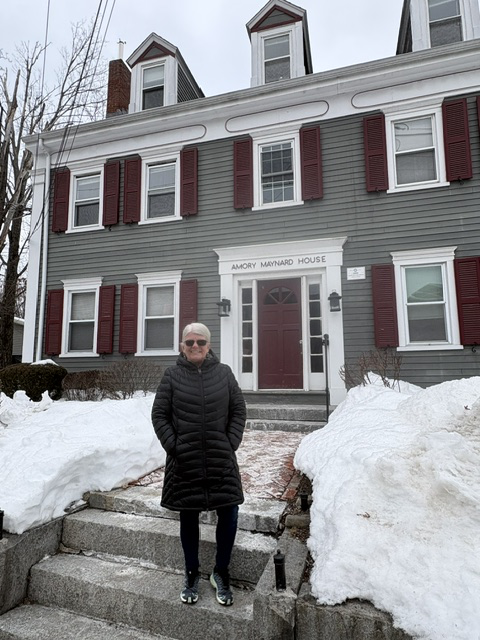
The Amory Maynard House
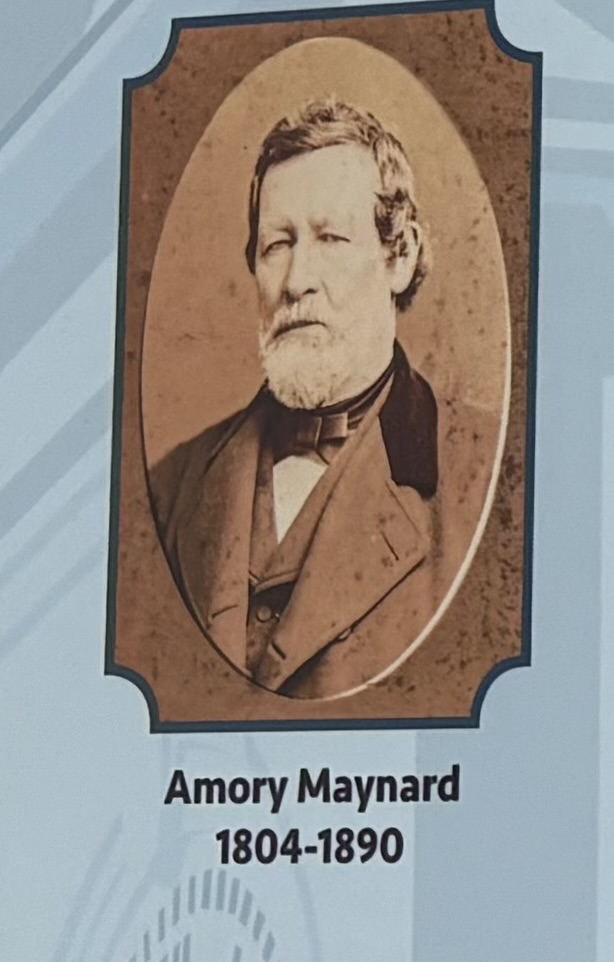
Standing on Main Street, the Amory Maynard House is one of the most important surviving homes in Maynard. Built around 1845, it was the first residence of Amory Maynard after he and William Knight established the Assabet Woolen Mill. Long before the town bore his name, this house became the center of both his family […]

