Convalescent Hospital
July 1944Dearest Reader,
In July of 1944, letters to my father were addressed to Fort George Wright Hospital in Spokane Washington. Fort George Wright Hospital in 1944 was a key convalescent and rehabilitation facility for the US Army servicemen.
Fort George was a US post established beginning in the late 1890s. The hospital was built on-site in 1898 and over the decades the facility evolved and by WWII it had become a major medical campus for the Army.
By early 1944, the hospital was designed as a Regional Convalescent Hospital for recovering soldiers. The “convalescent” function means its primary role was rehabilitation caring for troops who were wounded, ill or fatigued, including psychological “battle fatigue.
The hospital shows how the US military adapted during WWII building not just combat forces, but recovery and medical infrastructure for thousands of returning or injured service members.
Fort George Wright’s hospital is one of two major “fatigue hospitals” in the Northwest during WWII. The US Army had built a vast medical network to care for the hundreds of thousands of soldiers who were not gravely wounded but who were too ill, exhausted or emotionally overwhelmed to return to duty. Out of necessity, the military created a specialized system of convalescent centers whose focus was on rest, rehabilitation and psychological evaluation.
By the middle of WWII, the Army recognized the need for dedicated facilities. Men suffering from “nervous exhaustion” and stress-related conditions overwhelmed the existing hospital system. The solution was a network of convalescent centers spread across the country. By mid-1944, the United States operated nine major convalescent centers designated for the rehabilitation of soldiers
Dr. Nancy Watson
Washington
Read More From Nancy
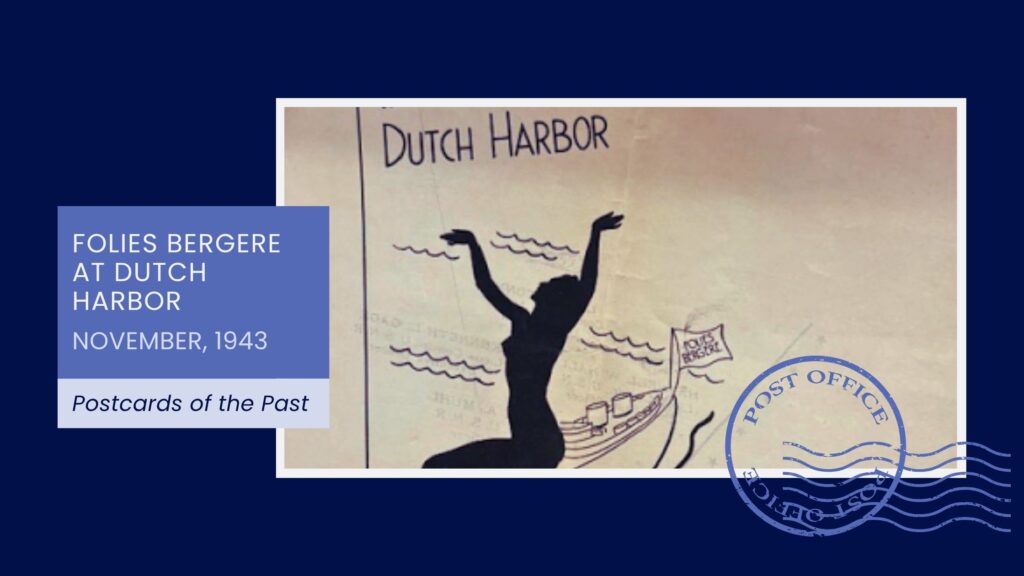
Folies Bergere at Dutch Harbor
In November 1943, my father was stationed in the Aleutian Islands, at Dutch Harbor, one of the most remote and strategically important American outposts of World War II. From there, he mailed home small pieces of memorabilia so my mother could glimpse the life he was living at the far edge of the continent. Among those […]
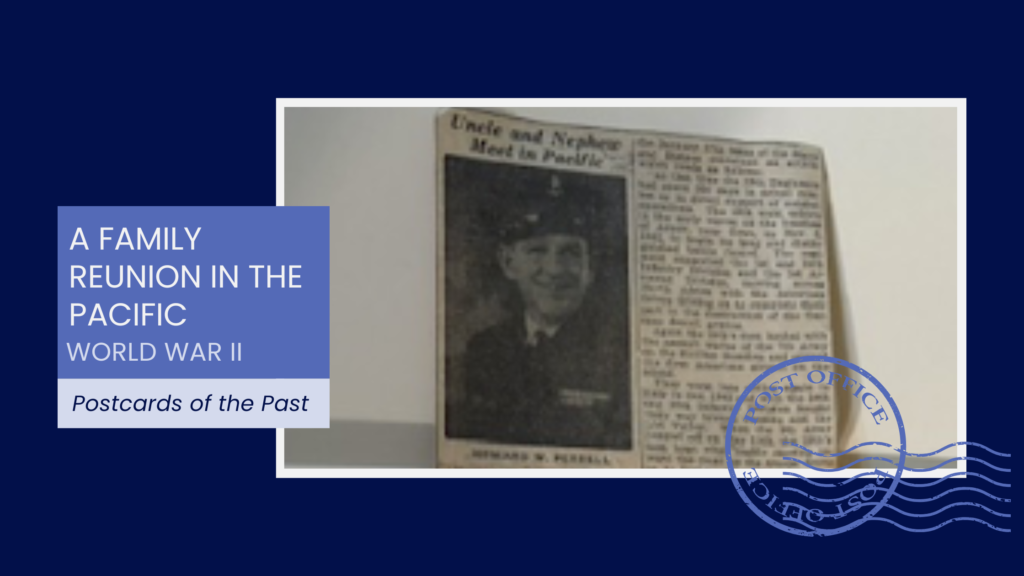
A Family Reunion in the Pacific
Among the newspaper clippings my parents saved is this remarkable story titled “Uncle and Nephew Meet in Pacific.“ During World War II, millions of Americans were serving around the globe, making it almost unimaginable that two relatives from the same hometown would unexpectedly find one another thousands of miles from home. The article tells the story of […]
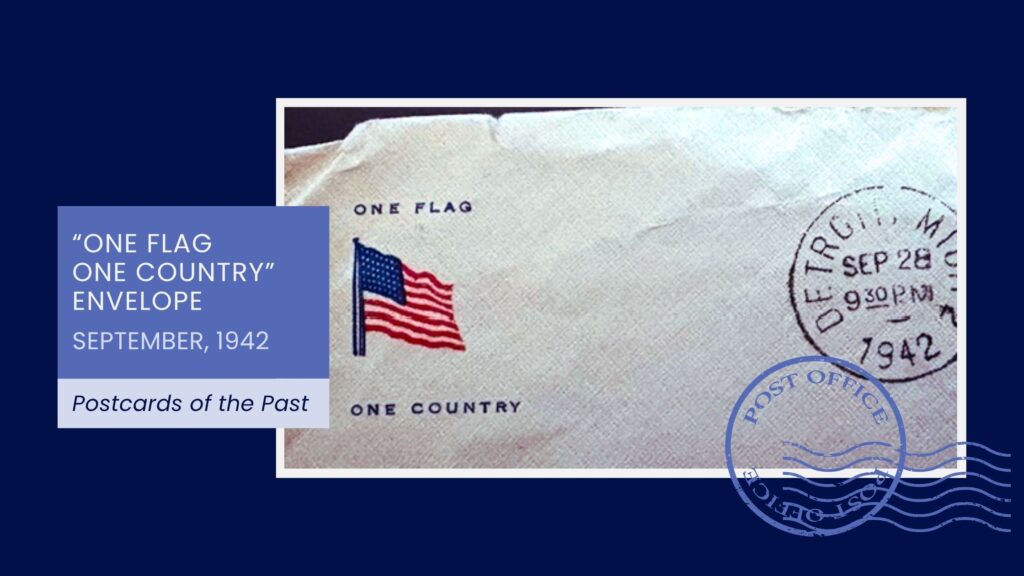
“One Flag One Country” 1942 Envelope
As I continue to explore the letters that were written to my father while he was stationed in the Army during World War II, it is often the small details that catch my attention. One envelope stood out. The letter had been mailed from Michigan, and the postmark reads: September 18, 1942. But what caught my eye […]

