Convalescent Hospital
July 1944Dearest Reader,
In July of 1944, letters to my father were addressed to Fort George Wright Hospital in Spokane Washington. Fort George Wright Hospital in 1944 was a key convalescent and rehabilitation facility for the US Army servicemen.
Fort George was a US post established beginning in the late 1890s. The hospital was built on-site in 1898 and over the decades the facility evolved and by WWII it had become a major medical campus for the Army.
By early 1944, the hospital was designed as a Regional Convalescent Hospital for recovering soldiers. The “convalescent” function means its primary role was rehabilitation caring for troops who were wounded, ill or fatigued, including psychological “battle fatigue.
The hospital shows how the US military adapted during WWII building not just combat forces, but recovery and medical infrastructure for thousands of returning or injured service members.
Fort George Wright’s hospital is one of two major “fatigue hospitals” in the Northwest during WWII. The US Army had built a vast medical network to care for the hundreds of thousands of soldiers who were not gravely wounded but who were too ill, exhausted or emotionally overwhelmed to return to duty. Out of necessity, the military created a specialized system of convalescent centers whose focus was on rest, rehabilitation and psychological evaluation.
By the middle of WWII, the Army recognized the need for dedicated facilities. Men suffering from “nervous exhaustion” and stress-related conditions overwhelmed the existing hospital system. The solution was a network of convalescent centers spread across the country. By mid-1944, the United States operated nine major convalescent centers designated for the rehabilitation of soldiers
Dr. Nancy Watson
Rambling With Nan
Washington
Read More From Nancy
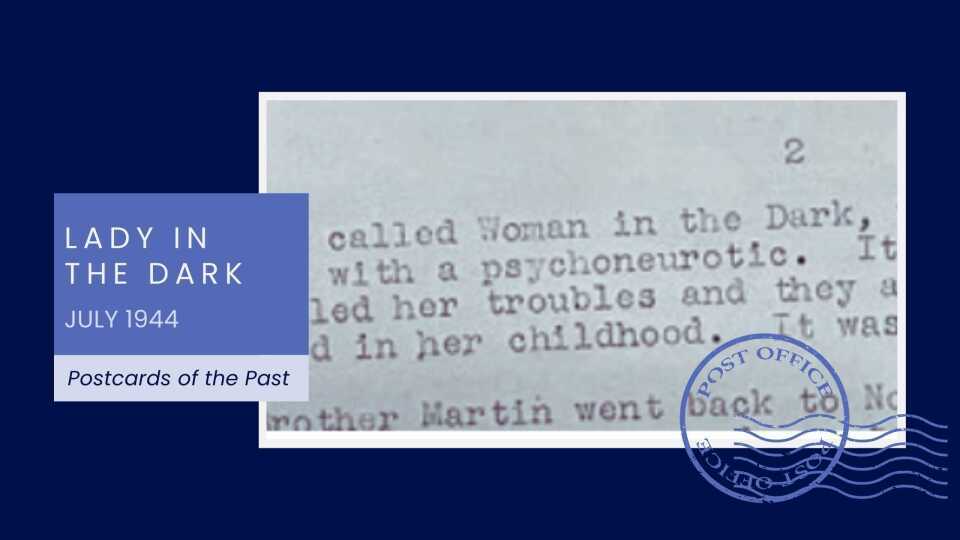
Lady in the Dark
The film my grandmother saw in 1944 was Lady in the Dark, starring Ginger Rogers. Although she remembered it as Woman in the Dark. Released in 1944, Lady in the Dark tells the story of Liza Elliott, a successful magazine editor suffering from anxiety, mood swings and troubling dreams. The movie explores her struggle with […]
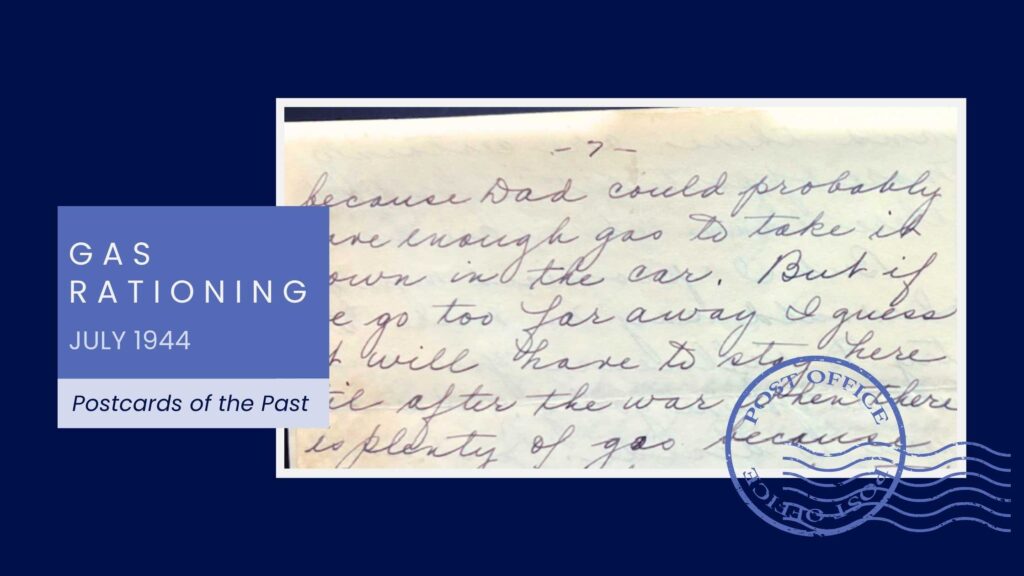
Gas Rationing
In 1944, gasoline rationing had become an accepted part of American life. Every driver carried a small ration book, and a lettered windshield sticker determined how much fuel they were permitted each week. For most families, like my mother’s, the driver had an A-ration card, the most common classification in the country. It allowed only […]
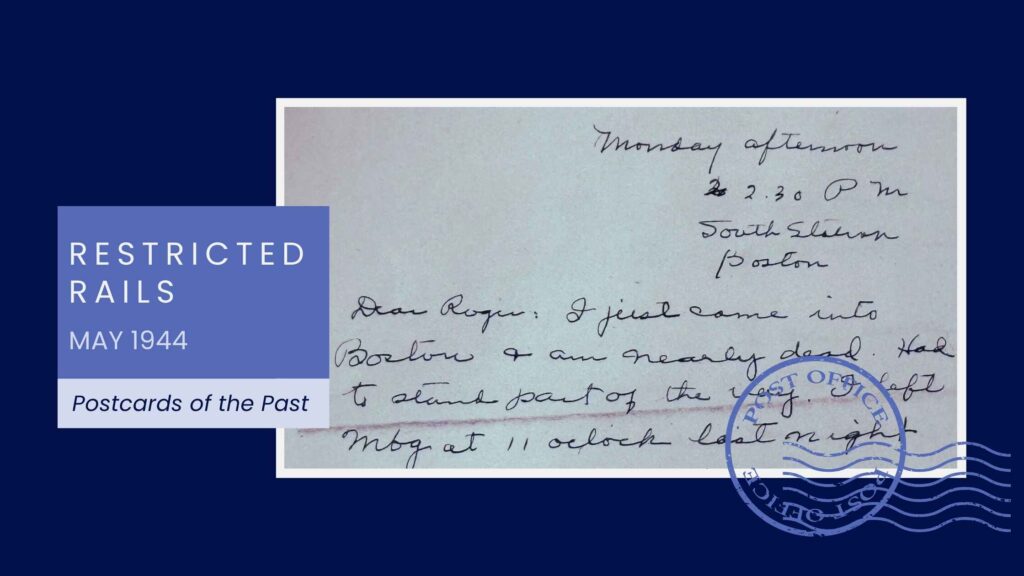
Restricted Rails
My parents were married in May of 1944 while my father was home on furlough, a brief pause in the turmoil of a world at war. The letters they left behind include tender notes between two young newlyweds and the steady, pleading correspondence from my grandmother to her only son. These letters form an intimate […]

