Chateau Frontenac
This photograph of Emmy and Erin was taken during one of our family trips to Québec City. Rising behind them is the iconic Château Frontenac, a hotel that has become the symbol of the city itself. During our visit, we took a tour of the hotel and discovered that its story is every bit as fascinating as its appearance. Although many visitors assume it dates to the French colonial period, the Château Frontenac actually opened in 1893 as one of the grand hotels built by the Canadian Pacific Railway to encourage tourism across Canada.
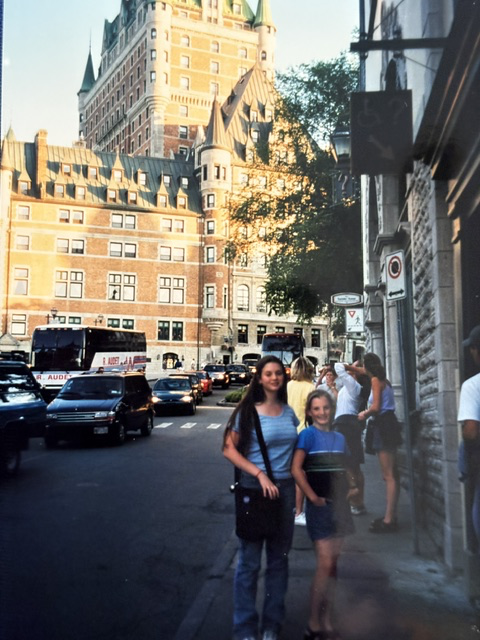
Named for Louis de Buade, Comte de Frontenac, the Governor General of New France from 1672 to 1698, the hotel was designed by American architect Bruce Price in the style of the grand French châteaux of the Loire Valley. Perched high on Cap Diamant overlooking the St. Lawrence River, it was intended to celebrate Québec City’s French heritage while offering travelers one of the finest hotels in North America. Today, it is recognized as the most photographed hotel in the world.
While the Château Frontenac has welcomed royalty, celebrities, and travelers from around the globe, one of its most significant chapters came during the Second World War. In 1943 and again in 1944, the hotel hosted the Québec Conferences, where British Prime Minister Winston Churchill, U.S. President Franklin D. Roosevelt, and Canadian Prime Minister William Lyon Mackenzie King met to discuss Allied military strategy. Within these walls, plans were refined for the final campaigns of the war, including preparations for the D-Day invasion of Normandy. For a brief time, this elegant hotel became one of the most important centers of military planning in the world, surrounded by extraordinary security while continuing to operate for its guests.
As we toured the Château Frontenac, we admired its grand lobby, elegant corridors, and exhibits highlighting its distinguished history. It is remarkable to think that a building known today for its beauty and hospitality also played a role in shaping twentieth-century history.
Read More From Nancy
Notre Dame Cathedral
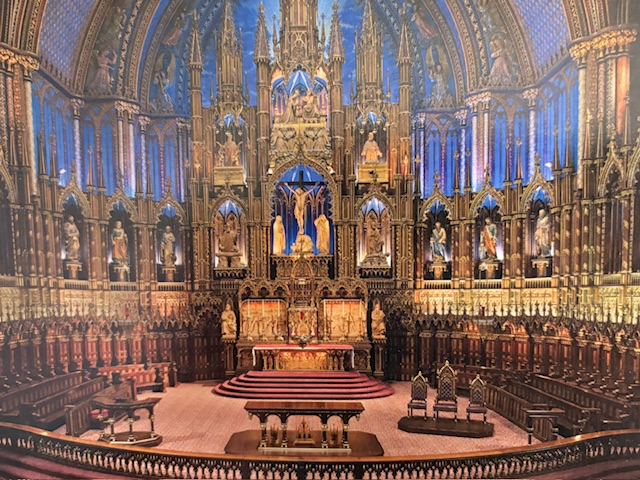
As I have traveled the world, I try to take the time to visit cathedrals, local churches and other places where people worship. All of them are special, but the Notre-Dame Basilica in Montreal is one of the most extraordinary churches I have visited. Built between 1824 and 1829, the basilica is a masterpiece of Gothic […]
Plains of Abraham
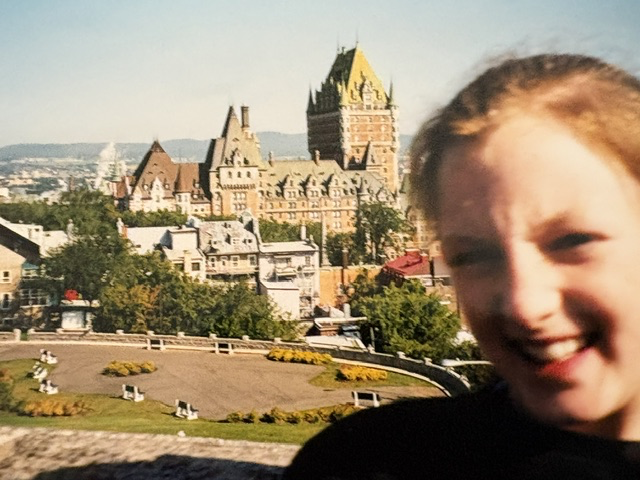
We loved traveling and exploring together as a family. From local historic sites close to home to international adventures, we were willing to go explore someplace new together. Travel became more than simply visiting destinations; it because part of how we learned, shared experiences, and created memories as a family. Quebec City was one of these special places […]

