Woodstock, CT
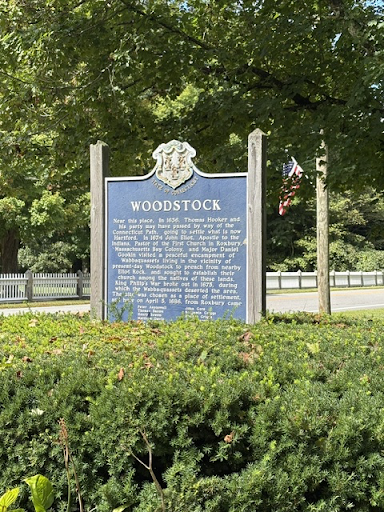
Located in the northeastern corner of Connecticut near the Massachusetts border, Woodstock is a rural town characterized by rolling farmland, wooded hills, stone walls, ponds, and small villages spread across one of the largest land areas of any Connecticut community. Long before English settlement, the region was known as Wabaquasset and was an important center for the Nipmuc people. In 1686, thirteen settlers from Roxbury, Massachusetts, established a community here that they called New Roxbury. The name was changed to Woodstock in 1690, although the town remained part of Massachusetts until a boundary settlement placed it within Connecticut in 1749. Agriculture shaped its early development, while streams and rivers later powered gristmills, sawmills, textile mills, and other small industries serving the surrounding countryside.
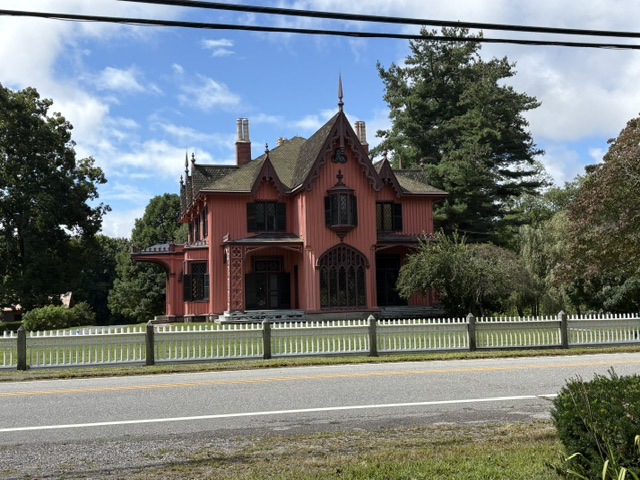
Woodstock remained largely agricultural even as its villages developed churches, schools, stores, taverns, workshops, and civic institutions. During the nineteenth century, the town also became a summer destination for wealthy families seeking the beauty of the Connecticut countryside. Among them was Woodstock native Henry Chandler Bowen, who built Roseland Cottage and helped transform Woodstock Hill through his support of Woodstock Academy, the town common, and elaborate Fourth of July celebrations attended by prominent national figures.
Today, Woodstock retains much of its rural landscape and historic character. The Woodstock Hill Historic District includes the common, First Congregational Church, Woodstock Academy, Palmer Memorial Hall, the old burying ground, and homes representing several periods of the town’s development. Together with Roseland Cottage, working farms, historic roads, and other preserved village centers, these places make Woodstock one of Connecticut’s most distinctive rural communities
View Articles for Woodstock, CT