South Africa
South Africa occupies the southernmost portion of the African continent. It is bordered by Namibia, Botswana, Zimbabwe, Mozambique, and Eswatini and surrounds the independent kingdom of Lesotho. The country has three capitals: Pretoria serves as the administrative capital, Cape Town as the legislative capital, and Bloemfontein as the judicial capital. Johannesburg is its largest city, and South Africa recognizes twelve official languages. Its varied landscape includes a long coastline along the Atlantic and Indian oceans, interior plateaus, grasslands, savannas, deserts, and the mountains of the Great Escarpment.
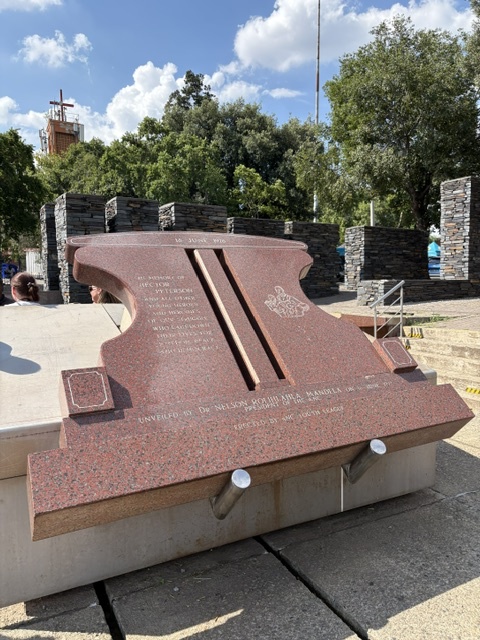
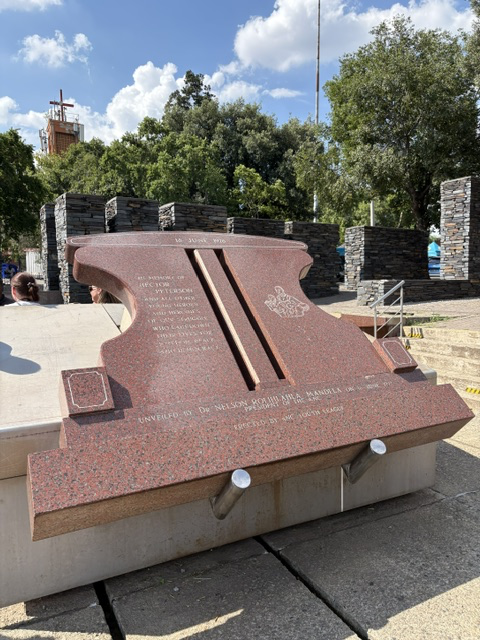
The Dutch established a settlement at the Cape of Good Hope in 1652, and Britain gained control of the Cape during the early nineteenth century. Conflicts over land, political authority, and natural resources shaped the region, particularly after the discovery of diamonds and gold. The Union of South Africa was created in 1910, and the country became a republic in 1961. Beginning in 1948, the government enforced apartheid, a system of racial segregation and white minority rule. Decades of resistance and international pressure eventually led to its dismantling. South Africa held its first fully democratic national election in 1994, when Nelson Mandela became the country’s first Black president.