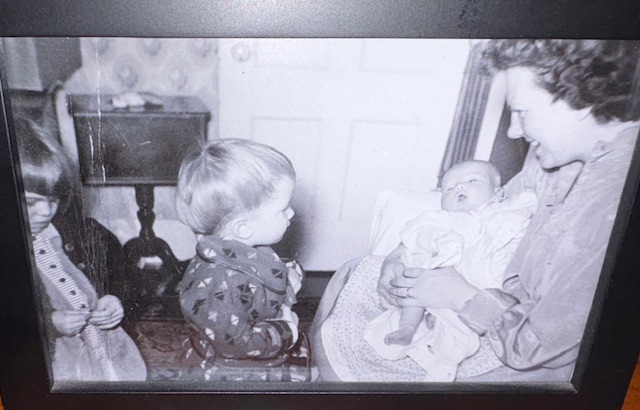
Those Who Shaped Me
Do we ever really get the chance to know our parents as who they were before we knew them, before we existed?
Most of us know our parents in the role they played in our lives. We grow up shaped by them, influenced by their choices, their values, and the way they moved through the world. There is no greater developmental influence than our mother and father, at least that has been true for me. But what we don’t often get is the opportunity to know them as young people… to understand their lives, their decisions, their struggles, and the paths they chose long before we were ever
born.
Now, long after they are gone, I find myself returning to them in a different way. I’m beginning to see them not just as my parents, but as individuals, shaped by their own experiences, making choices that would eventually shape me. In understanding their world, I’m starting to better understand my own.
This space is my way of exploring that world, their young lives, their stories, their influences, long before I was ever part of it. It also honors the teachers, mentors, and loved ones who have shaped how I see the world. Their lessons continue to guide me, reminding me to stay open, to keep learning, and to carry their wisdom forward in everything I do.
-Nancy Watson
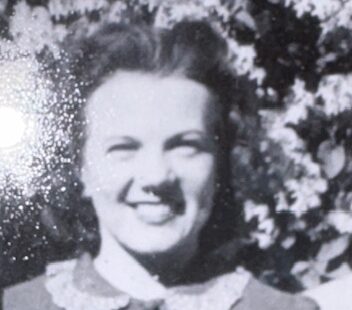
Mother
There is something both grounding about trying to know a person outside of the role they played in your life. For me, my mother was always just that, my mother. The one whose life seemed to begin the moment mine did. But now, through the pieces she left behind, I am beginning to meet her as a young woman, separate from me with her own world, her own choices, her own becoming. She was born, raised, and lived her entire life on the same street in Concord, New Hampshire. There is something deeply rooted in this unwavering sense of place. One street that held her childhood, her courtship, her marriage, and her life as a mother. She did not wander far in miles. What I am discovering is not dramatic or complicated, something quieter. She loved her family. She loved my father. She loved her home and her state. And she loved her faith, not as something spoken loudly, but as something ever present. These were not just parts of her life they were the framework of it. As I look at her young adult years, I can see the decisions she made, the choices to stay, to build, and to commit. I am beginning to understand that the life I experienced did not just happen. It was created by the woman she already was. It is easy to overlook this. To assume that our parents always existed as we view them, rather than recognizing that they became who they were long before we arrived. My mother may never have left this street in Concord, but through her, I was given the courage to explore far beyond it. The greatest influence in my life was not just the mother who raised me, but the young woman who chose the life that made me possible.
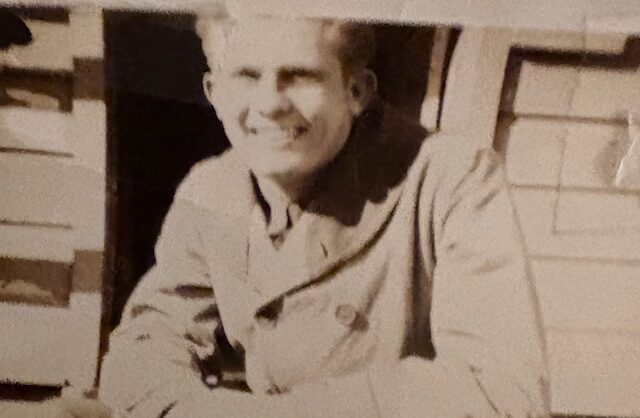
Father
My father was not one to share his thoughts—and certainly not his feelings. Rarely did I receive a direct answer when I asked for his opinion. Conversations with him often felt like standing at the edge of something just out of reach, where clarity never quite arrived. He was his mother’s only child, and her presence in his life was constant, steady, and deeply woven into who he became. What he did not say aloud, she often captured in ink. Left behind is a stack of her correspondence—letters filled with careful words, return addresses, and faded postmarks that now serve as quiet markers of time, place, and connection. It is through these letters that I am beginning to know my father as a young man. Each envelope tells part of the story. The towns they passed through, the dates stamped in hurried ink, the tone of a mother writing to her son during uncertain times. Together, they form a map of a life unfolding—one that he never spoke about, but one that was carefully documented all the same. He came of age during the Great Depression, when opportunity was scarce and expectations were shaped more by necessity than by choice. And just as the world began to shift again, he found himself standing at the threshold of another defining force—war. His search for direction, for identity, for independence, was not entirely his own. It was shaped by circumstance, by a world much larger than him, and by the looming presence of the draft. The future was not something to be freely chosen, but something that arrived, often abruptly, demanding response. And so, through these letters, I am meeting a version of my father I never knew—a young man navigating uncertainty, tethered closely to his mother, and quietly trying to find his place in a world that offered few clear answers. In many ways, I am still waiting for those answers. But in the absence of his voice, these letters have become his story.
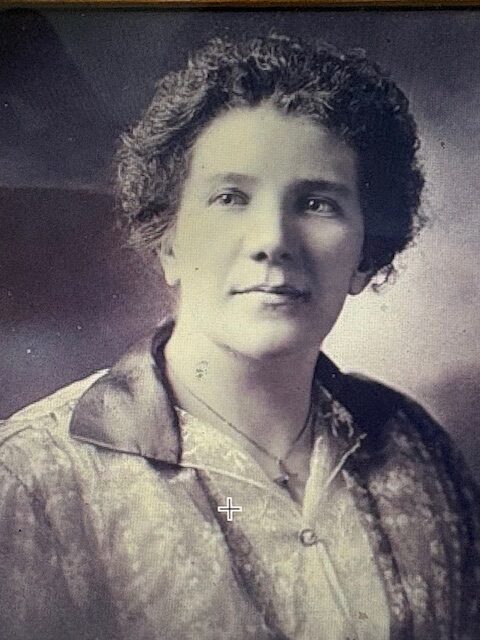
My Maternal Grandmother
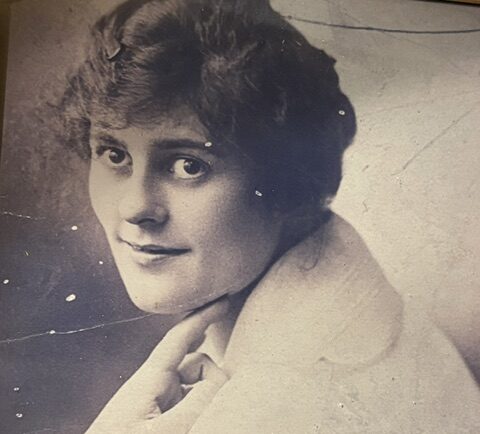
Margaret Dawson Hannigan—“Mom” My maternal grandmother, Margaret Dawson Hannigan, lived next door to us. We called her “Mom,” and because she was so close, she was part of the ordinary rhythm of my childhood rather than someone we saw only on special occasions. Many of my memories of Mom center on being in her kitchen and watching her bake. She made brownies from scratch and what I remember simply as her “apple things.” When dough was left over, she cut it into cinnamon sticks and sprinkled them with sugar. These small extras, made from something that might otherwise have been discarded, remain among my clearest memories of her. I remember her dressed in house dresses with an apron tied over them, moving through the familiar routine of her kitchen. There were no memorable conversations or important lessons spoken aloud. I mostly watched as she measured, mixed, rolled, baked, and cleaned up afterward. What remains is not the memory of a particular occasion, but the comforting repetition of everyday life. Mom’s presence was expressed through routine, work, and the familiar things she made with her hands. I did not need a special event to remember her. I remember simply being there, watching her in the kitchen next door.
My Paternal Grandmother
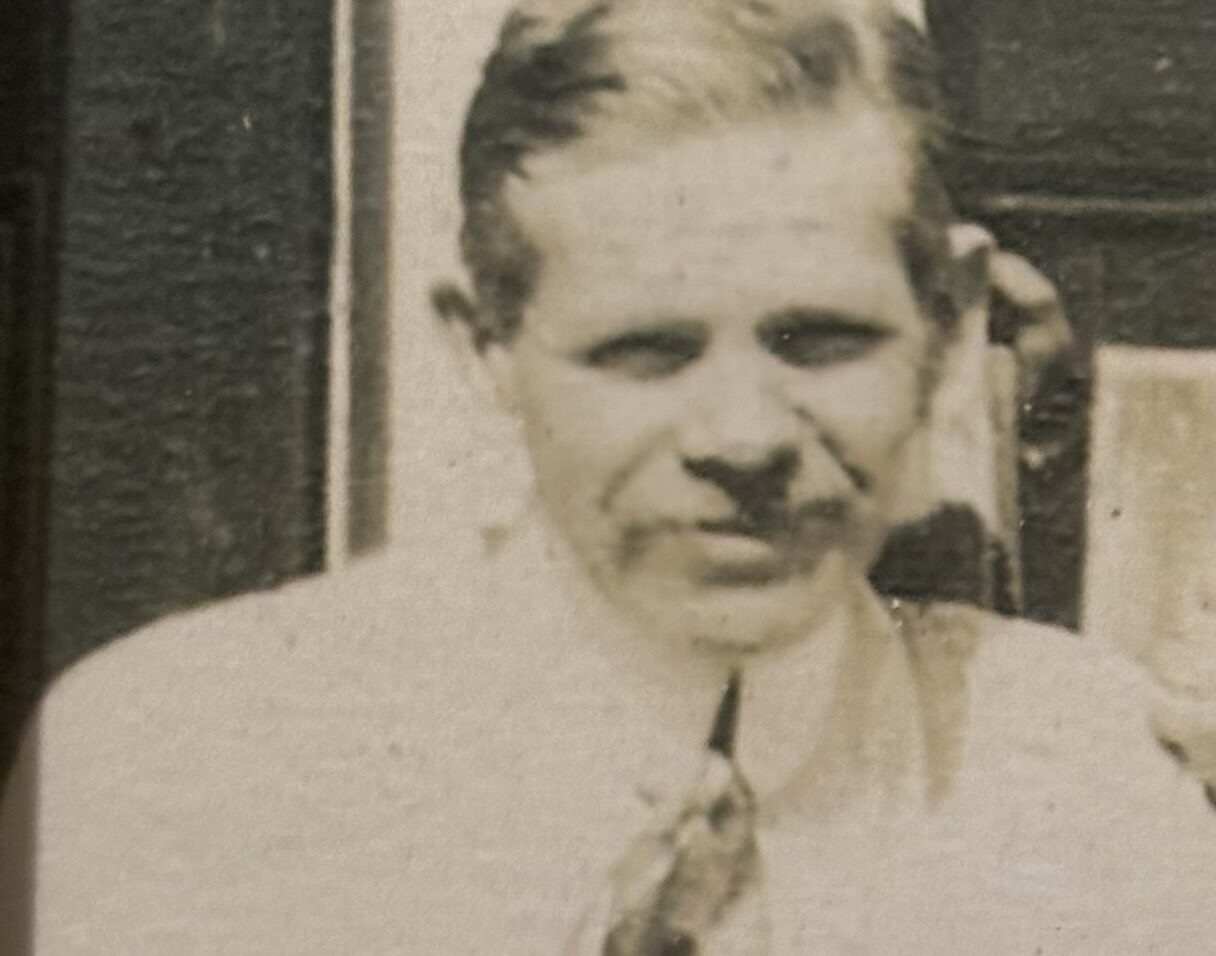
Catherine Mulligan Watson—“Nana” My paternal grandmother, Catherine Mulligan Watson, lived on the other side of our duplex. Although she had an entire half of the house, she actually lived in only two of its rooms. Her world was small and close to ours, making her a familiar presence during my earliest years. Nana died when I was still young, but my memories of her remain surprisingly clear. I remember her bathing me in her kitchen sink, transforming an ordinary part of her home into a place where she cared for me. It is one of those childhood memories preserved not because anything unusual happened, but because of the closeness and attention contained within it. I also remember her brushing my long hair. She worked through the snarls before dividing my hair and braiding it. I can still imagine myself sitting quietly while she completed this familiar ritual, her hands carefully bringing order to my tangled hair. I did not have enough years with Nana to know her as I might have when I was older. What remains are these simple acts of care: a bath in the kitchen sink, a brush passing through my hair, and the braids she made when she was finished. Through those memories, I can still recognize her presence in my young life.
My Maternal Grandfather
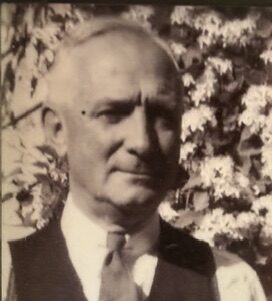
James Hannigan—“Dad” My maternal grandfather, James Hannigan, lived next door to us with my grandmother. We called him “Dad.” Because both of my parents worked, I often spent the late afternoon with my grandparents, becoming part of the familiar routine of their home. Some of my fondest memories are of watching Dad play solitaire. He would sit in his armchair with another chair positioned in front of him as a makeshift table. There he would deal the cards, arrange them, and quietly play through the game. I did not play with him or even pay particular attention to the rules. I simply watched. When he had finished, he would often settle back into his chair and doze off for a nap. Dad also loved to garden. I remember being outside with him as he planted radishes, sharing in one of the ordinary tasks that filled his days. I cannot recall an important conversation taking place between us as we worked. What stayed with me was the experience of being beside him, watching how carefully he tended the garden and being allowed to participate. Our afternoons also included watching Huntley and Brinkley deliver the evening news and Perry Mason solve another courtroom mystery. These were not planned activities or special occasions. They were simply part of the dependable rhythm of time spent next door with my grandparents. Like my memories of Mom in her kitchen, my memories of Dad are built from observation and routine: the cards spread across a chair, his afternoon nap, the radishes planted in the garden, and familiar television programs playing in the background. Nothing remarkable needed to happen. His steady presence next door was what made those ordinary afternoons memorable.
My Paternal Grandfather
My Early Years
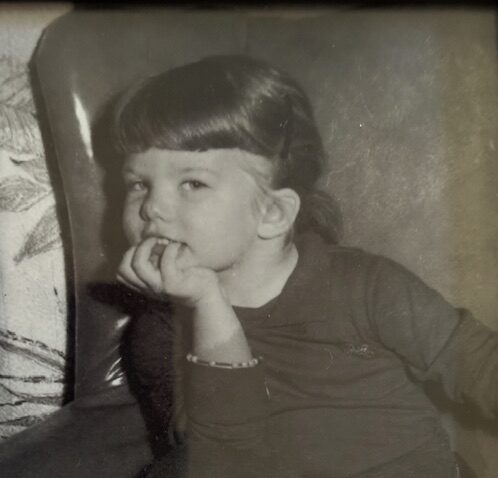
Among the things my family preserved are reminders of my earliest years including schoolwork, report cards, certificates, drawings, programs, and other records of childhood. Individually, they capture small moments. Together, they offer a glimpse of the child I was and the world in which I was growing up. These materials preserve details that memory alone cannot always hold: my handwriting at different ages, the subjects I studied, the activities that interested me, and the observations of the adults who taught and guided me. Some record accomplishments, while others reflect the ordinary experiences of childhood. Each contributes something to the larger story. The things people choose to preserve can also reveal how they valued the lives of those around them. Someone believed these pieces of my childhood mattered enough to keep, carrying them forward until I could return to them many years later. Their survival is a quiet expression of the attention my family gave to the stages of my life. This section brings those scattered pieces together. They do not tell the complete story of my childhood, but they preserve parts of it as they appeared at the time. Looking through them now allows me to see where I began and recognize some of the early experiences that helped shape the person I became.