Cardrona Hotel
Traveling between Queenstown and Wānaka, one of the most memorable stops is the tiny settlement of Cardrona. Nestled in a quiet valley along the historic Crown Range Road, it is home to one of New Zealand’s most recognizable landmarks: the Cardrona Hotel.
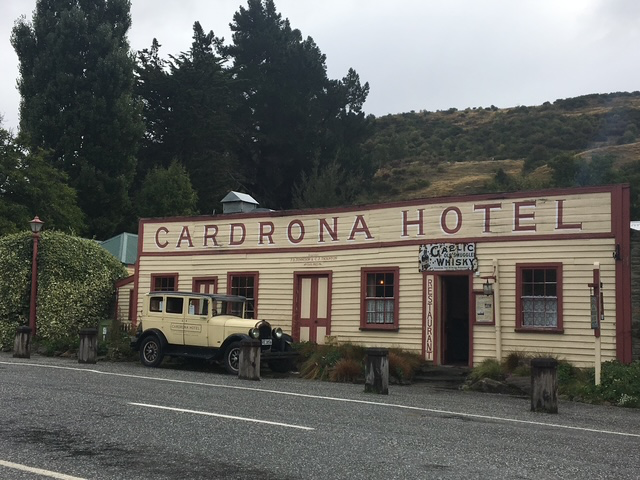
Built in 1863 during the Otago gold rush, the hotel was established to serve the miners, farmers, teamsters, and travelers making their way through the rugged mountain pass. In those days, this was a busy route connecting isolated settlements, and the hotel provided much more than food and lodging. It became a gathering place where news was exchanged, business was conducted, and weary travelers found a warm meal and a place to rest before continuing their journey.
Unlike many buildings from the gold rush era that disappeared as mining towns faded away, the Cardrona Hotel survived. Today it is considered one of New Zealand’s oldest continuously operating hotels. Its simple wooden façade, weatherboard construction, and broad front porch remain much as they were more than 160 years ago, preserving the character of a frontier settlement that helped shape the region.
Standing in front of the hotel, it is easy to picture horse-drawn wagons arriving after a long day crossing the mountains. The surrounding hills, now peaceful and dotted with sheep, once echoed with the activity of prospectors searching for their fortunes. While the gold rush eventually ended, communities like Cardrona adapted, becoming centers for farming and welcoming travelers who came to appreciate the beauty of New Zealand’s South Island.
One of the things I enjoy most about traveling is finding places where history has been preserved not as a museum exhibit but as part of everyday life. The Cardrona Hotel is still welcoming guests, serving meals, and providing hospitality much as it did in the nineteenth century. It is a reminder that some of the most enduring historic landmarks are those that have never stopped serving the communities around them.
Read More From Nancy
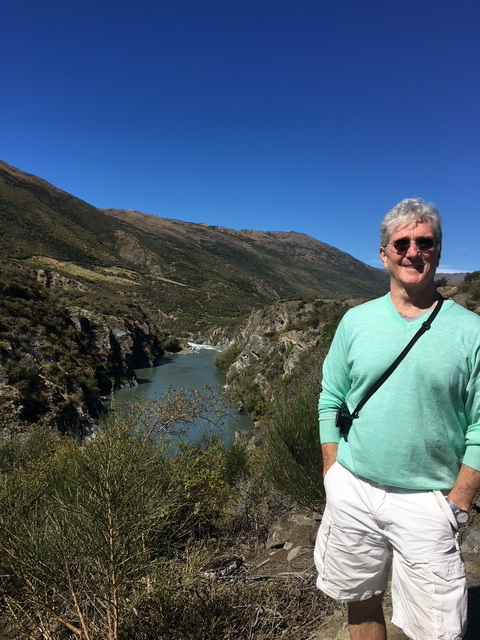
Gibbston Valley
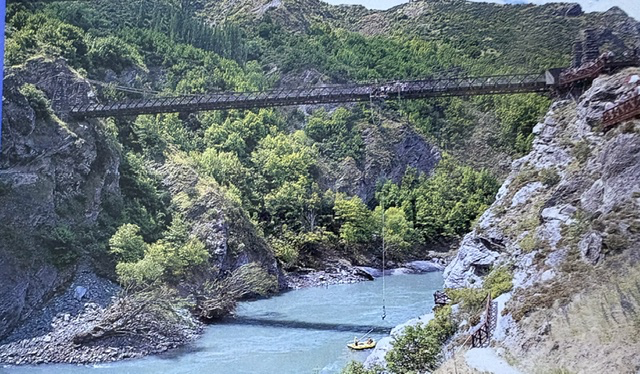
Attached to our time teaching in New Zealand, we took the time to explore a bit, making our way into Gibbston Valley, just outside Queenstown. The landscape there does not reveal itself all at once, it unfolds gradually, the path rising, the view widening, until the Kawarau River comes into sight, cutting its way through the valley below. […]
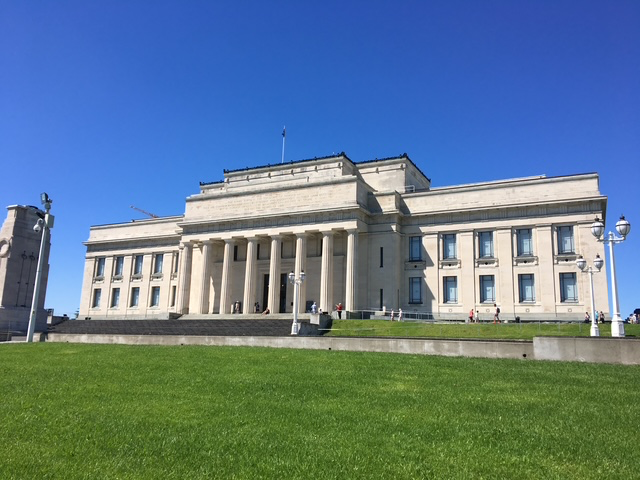
War Museum
Marty and I flew to Auckland to teach our Pediatric seminar, arriving a couple of days early so we can explore a bit of New Zealand’s North Island. Whenever we travel for teaching, we try to understand the place we’re in, not just the seminar room, but the history and culture that shape the people […]
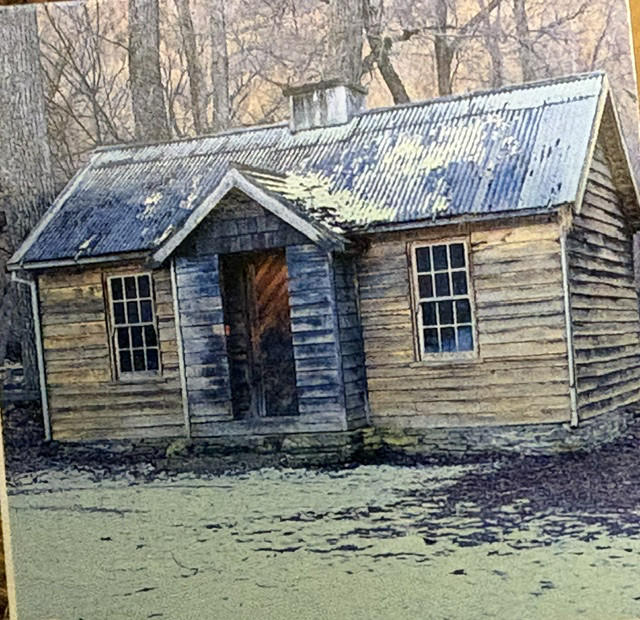
Chinese Settlement Site
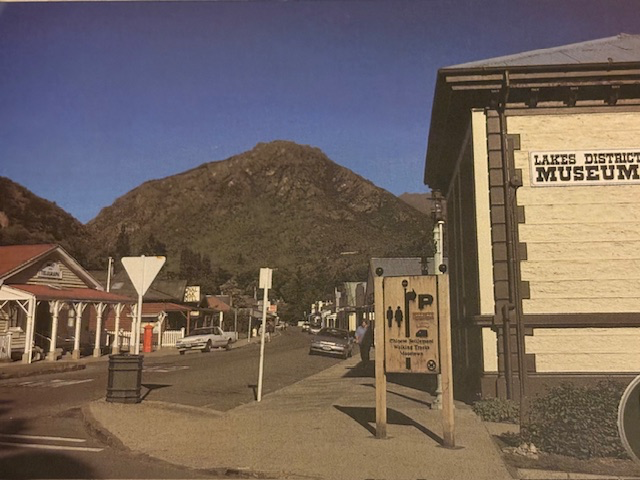
Nestled above the historic town of Arrowtown along the banks of Bush Creek lies the partially restored Chinese Settlement, one of the reminders of the region’s gold rush history. Marty and I spend time walking through this small village, where these cottages and stone pathways tell the story of the Chinese miners and merchants who […]

