Calvin Coolidge Homestead
While traveling through Vermont, we stopped at the Calvin Coolidge Historic Site in the small village of Plymouth Notch. Unlike many presidential homes that have been expanded into grand estates, this is a place that has changed very little since Calvin Coolidge lived here. Walking through the village feels as though time has stood still.
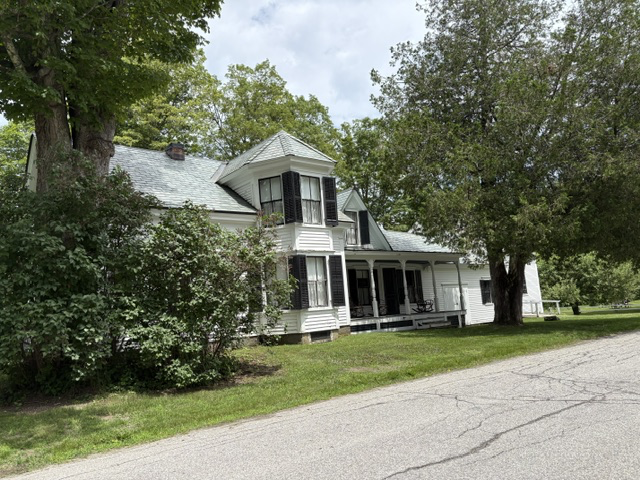
The modest family home reflects the values that shaped Coolidge’s character. Born here on July 4, 1872, he grew up in a close-knit farming community where hard work, simplicity, and personal responsibility were part of everyday life. Those same qualities would later define his presidency.
One of the most significant moments in American history took place in this house on August 3, 1923. While visiting his family home, Vice President Coolidge learned that President Warren G. Harding had died unexpectedly. In the early hours of the morning, by the light of a kerosene lamp in the front parlor, Coolidge took the presidential oath of office. His father, Colonel John C. Coolidge, a notary public and justice of the peace, administered the oath, making it one of the most unique presidential inaugurations in American history.
Stepping inside the home, I was struck by its simplicity. The furnishings are original to the Coolidge family, and the dining room, kitchen, and parlor look much as they did in 1923. Rather than displaying luxury, the house reflects the practical lifestyle of a rural Vermont family at the beginning of the twentieth century.
The Coolidge family donated the homestead and its original furnishings to the State of Vermont in 1956. After careful restoration, it opened to the public in 1957. Today, the Calvin Coolidge Historic Site preserves not only the president’s home but also much of the surrounding village, allowing visitors to experience the setting that shaped one of America’s most reserved and respected presidents.
Standing on the porch and looking across this quiet Vermont village, it was easy to understand why Coolidge never forgot his roots. His famous belief that “the chief business of the American people is business” may be one of his best-known quotations, but his life also reflected a deep appreciation for family, integrity, and public service. Visiting his birthplace offered a glimpse into the humble surroundings that helped shape the thirtieth President of the United States.