Bryce Canyon National Park – Utah
Bryce Canyon National Park is located in southern Utah on the Paunsaugunt Plateau, with elevations ranging from 8,000 to over 9,00 feet. Despite its name, it is not a canon formed by a river. Instead, it is a series of natural amphitheaters carved into the edge of a plateau through erosion.
The park is best known for its hoodoos: tall, narrow rock spires formed primarily through freeze-thaw weathering. Water seeps into cracks in the limestone, freezes, expands and gradually breaks the rock apart. Over years, this process, combined with erosion, created the dense forest of red, orange and white formations seen today.
Bryce was designated a National Monument in 1923 by President Warren G. Harding and later established as a National Park in 1928 under President Calvin Coolidge. The park was named after Ebenezer Bryce, a Mormon settler who lived in the region in the late 1800s.
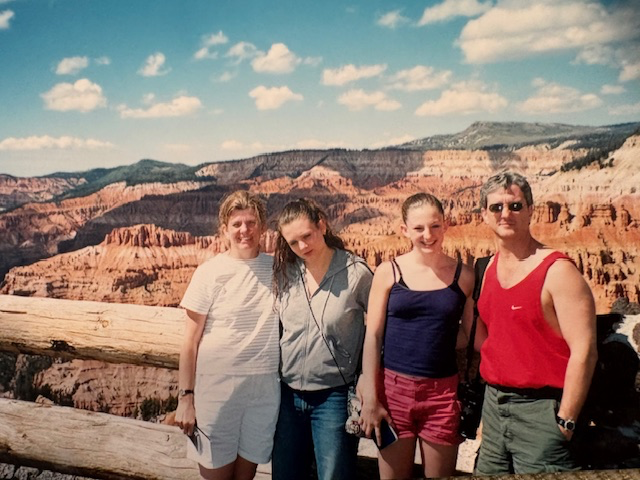
Having visited Bryce in different seasons, the variation in landscape is notable. In the summer, the amphitheatre glows in warm tones. In winter, snow settles along the hoodoos, sharply contrasting white against red rock.
Staying at the historic Bryce Canyon Lodge, located within the park near the rim, provides direct access to the landscape. The Lodge, originally built in the 1920s, is part of the early National Park Service rustic architecture style. From there, it is possible to walk to the rim before dawn.
Sunrise and sunset are particularly significant at Bryce. As the sun rises, light moves gradually across the amphitheater, illuminating the hoodoos in stages and intensifying their color. At sunset, shadows lengthen and formations deepen in tone as the light lowers toward the horizon.
Bryce Canyon National Park stands as a preserved example of plateau erosion and high-elevation desert geology. Its formation is the result of measurable, ongoing natural processes and its protection ensures that those processes remain intact for future visitors.

Read More From Nancy
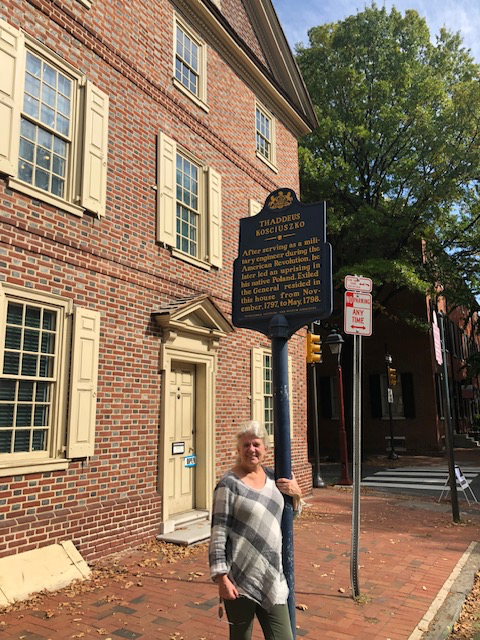
Thaddeus Kosciuszko National Historical Park – Pennsylvania
I visited the Thaddeus Kosciuszko National Historical Park a few years ago. Tucked along a narrow street in Philadelphia’s Society Hill neighborhood is a house that reveals the story of a man whose ideals helped shape two nations. Thaddeus Kosciuszko was a Polish-born military engineer and idealist who came to America during the Revolutionary War. He […]
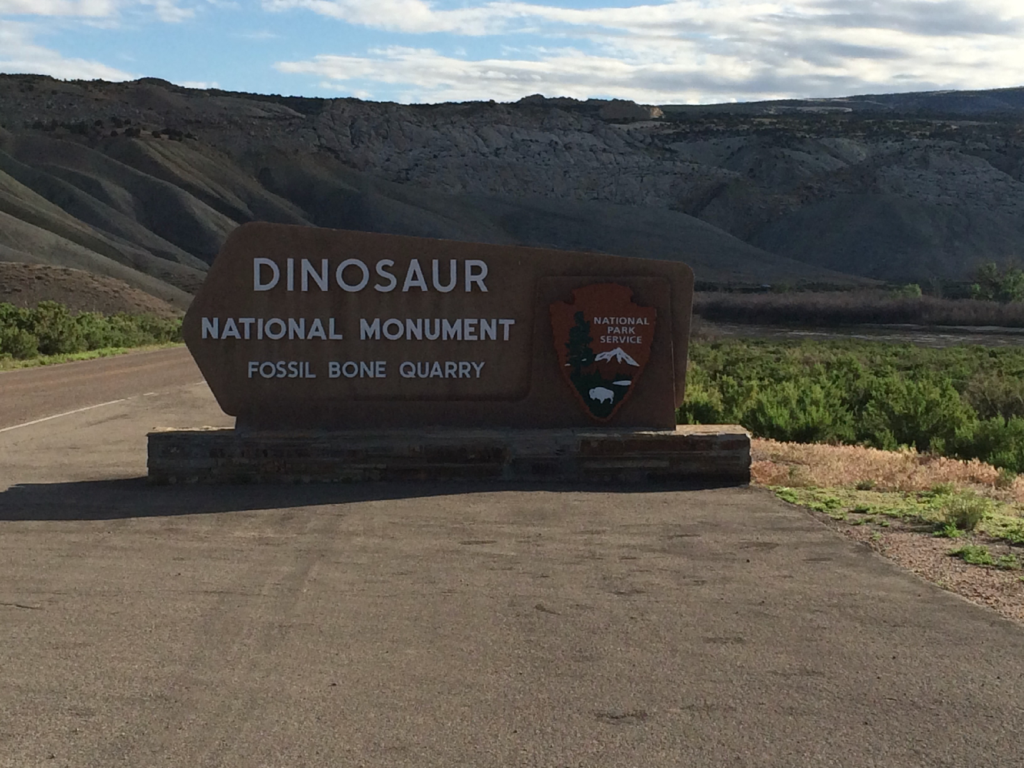
Dinosaur National Monument – Colorado
When I visited Dinosaur National Monument, I couldn’t help but think of all the young boys who come into our office talking about dinosaurs. They know the names and, and to them, dinosaurs are larger than life. Standing inside this monument, I realized how unforgettable it would be for them to see the real thing. […]

Indiana Dunes National Park – Indiana
On our cross-country family road trip in 1995, we stopped at the Indiana Dunes National Park. The massive sand dunes stretch along the southern shore of Lake Michigan and they are interwoven with wetlands and beaches. The dunes were formed over thousands of years as glaciers retreated in the wind and water shaped the sand into ridges […]

