Basilica of St Francis: Assisi, Italy
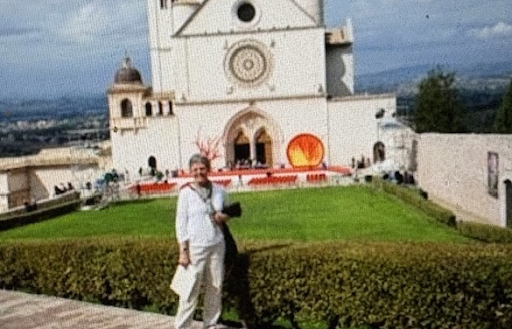
The Basilica of Saint Frances of Assisi was built after the death of Saint Francis of Assisi in 1226. St Francis had lived a life defined by humility, poverty and service to others, and his followers wanted a place that could honor him as well as welcoming pilgrims from across Europe. Construction began in 1228, soon after his death.
The exterior is built from pale stone quarried from nearby Mount Subasio and at its center is the circular rose window. The design is simple and balanced reflecting Francis’s belief in simplicity.
The basilica is two churches built one on top of the other, with a crypt beneath them. The crypt is where Saint Francis is buried. After Francis died in 1226, his followers were concerned about protecting his remains. He was already revered and there was fear that his body could be stolen. To prevent this, his body was buried secretly, hidden within the rock beneath this Basilica.
It was not until 1818 that Francis’s remains were rediscovered during excavations. Church authorities made the decision to honor Francis’s lifelong vow of poverty and place his remains in a simple stone tomb set directly into the rock of the hillside. The space is quiet and austere and as we descended into the crypt, we encountered silence rather than spectacle.
This approach reflects Francis’s radical message. He rejected wealth, power and status, and he chose to live and serve the poor. By preserving him in simplicity, the Church sought to ensure that the tomb would reflect his life.
Read More From Nancy
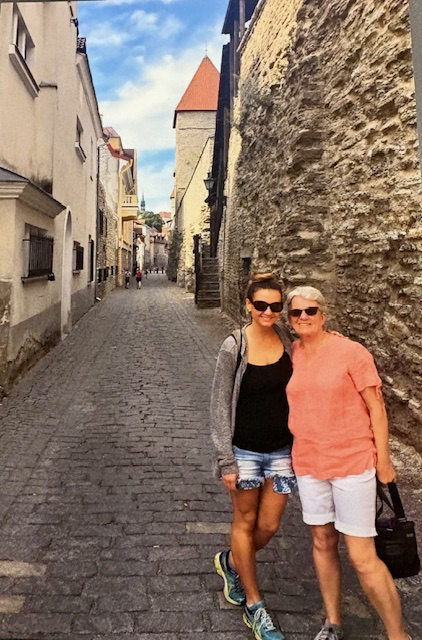
Tallinn, Estonia
If I would have made a list of countries to visit, I would not have had Estonia on that list. But when my daughter, Emily, asked me to travel there with me, I said yes. We stayed right within the walls of Tallinn. I quickly realized how special that decision had been. Walking through the […]
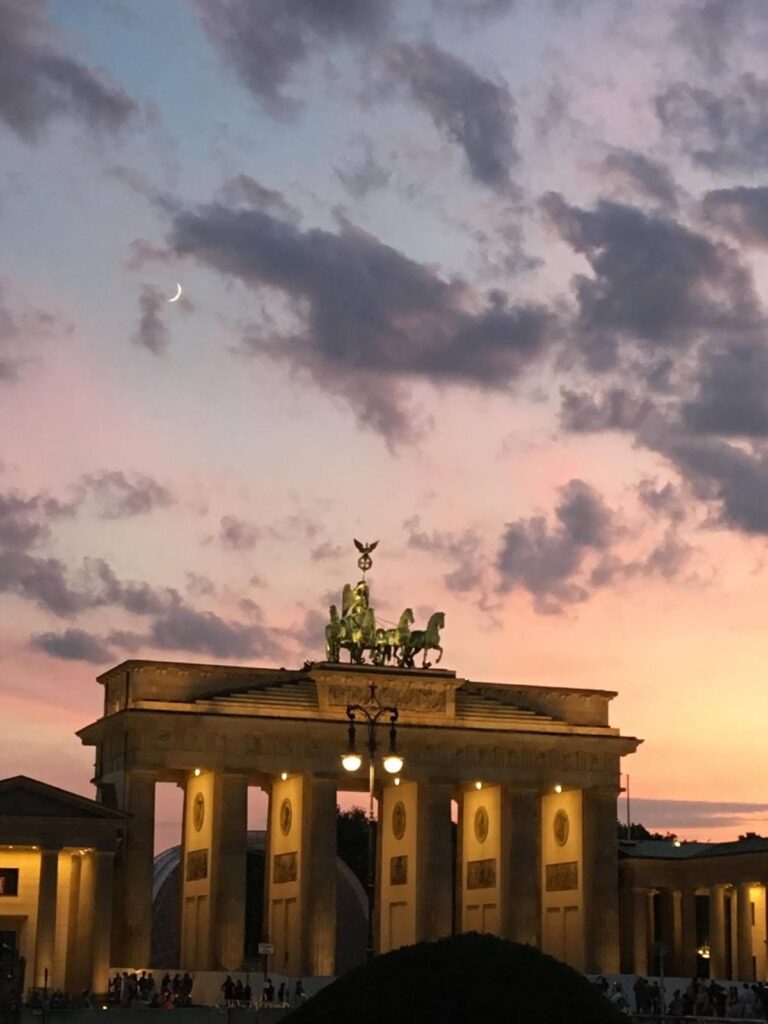
Brandenburg Gate – Berlin Germany
While visiting Berlin, the Brandenburg gate quickly becomes more than just a landmark, it becomes a focal point of the city’s history. Standing at Pariser Platz, we faced a structure built between 1788 and 1791 under King Frederick William II of Prussia. Designed by architect Carl Gottheard Langhans, the gate was inspired by classical Greek architecture. Its […]
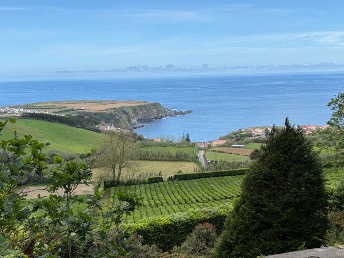
Steeped in Tradition: Finding Calm at the Gorreana Tea Plantation in the Azores
After a challenging month, we were looking for a place to go to rest and rejuvenate. A non-stop flight was essential. A place where we could decompress with no responsibilities. We chose the Azores. Not knowing more about these islands other than everyone we had ever met from there were genuine people An easy flight, quick check […]

