Fort Smith
While traveling around Arkansas, I visited Fort Smith National Historic Site. This fort was established in 1817, as a U.S. military post to project federal presence on a volatile frontier. From the beginning, it served as a gateway to the West, a place where eastern law met western uncertainty. The strategic position of this fort made it central during the era of the Indian removal and for the Native people displaced along the Trail of Tears. Fort Smith became a place of confinement and one of the last stops before exile.
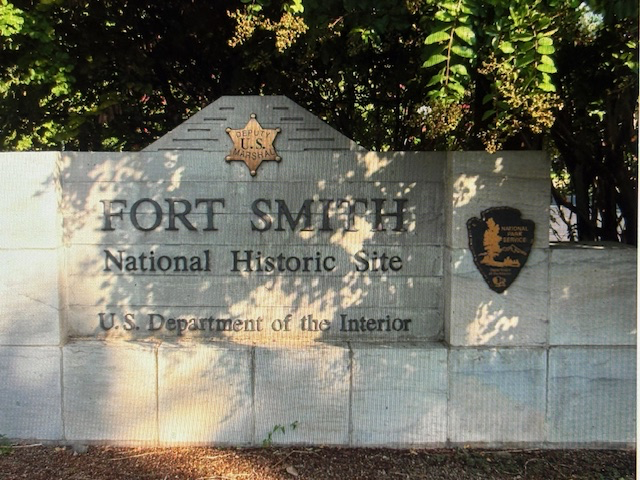
After the Civil War, Fort Smith took on another role when it became the seat of the Federal Court for Western Arkansas. It held jurisdiction over crimes committed in Indian Territory and from 1875 to 1896, the court was presided over by Isaac C. Parker, the “Hanging Judge”. During this time, 160 death sentences, 79 executions, were carried out on the fort’s gallows.
Recognizing the national significance of frontier expansion, Indian removal, federal justice and the struggle to impose order, Congress designated Fort Smith as a National Historic Site in 1961, a decision signed into law by John F. Kennedy. Fort Smith was preserved not for scenic beauty, but for its moral and historical complexity.
Fort Smith is a reminder that the American frontier was not only shaped by opportunity but by decisions. It is not a simple story of progress but an opportunity to ask the harder questions and to see the consequences of decisions that are worth confronting with honesty and without comfort.
Read More From Nancy
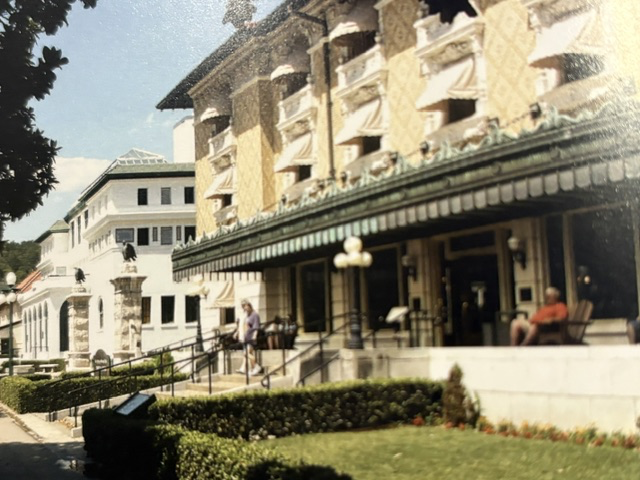
Hot Springs National Park
Visiting Hot Springs National Park in Hot Springs was one of the more unique experiences in my exploration of the National Parks. Unlike parks centered around natural landscaped or historical homes, Hot Springs blends natural springs, history, architecture and American culture together. What made this visit memorable was having the opportunity to experience one of the […]
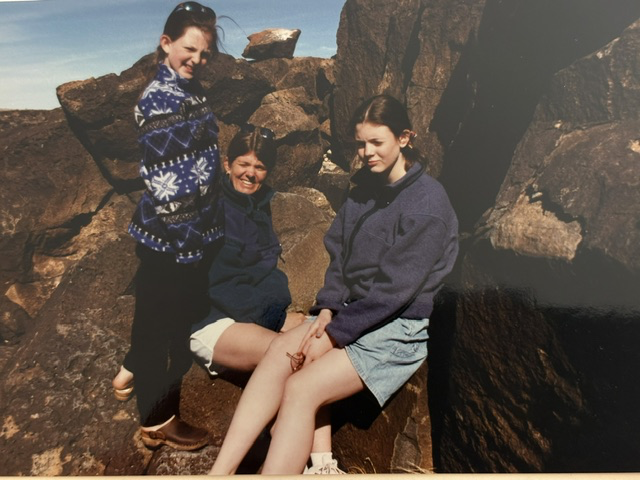
Petroglyph National Monument
Walking among the dark volcanic rocks outside of Albuquerque, is where Petroglyph National Monument is found. Centuries ago, there were people who stood in this landscape carving symbols and images into the stone. The monument preserves one of the largest collections of petroglyphs in North America, with designs created by Native peoples and later Spanish settlers […]
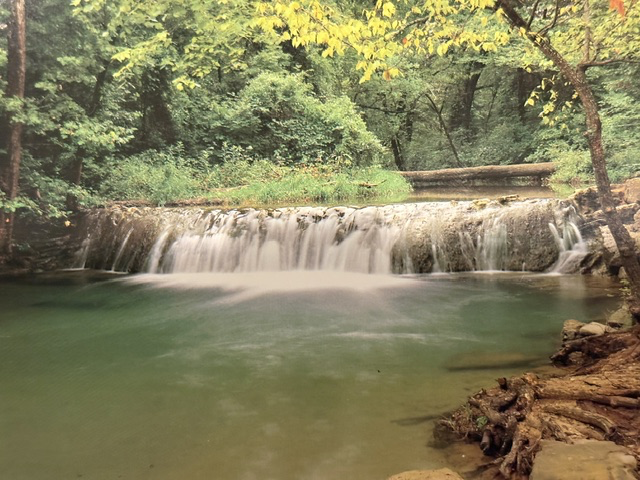
Chickasaw National Recreation Area
The cool spring-fed waters of Chickasaw National Recreation Area create an oasis in the rolling landscape of southern Oklahoma. This park is known for its natural springs and clear streams. For generations, people have come here to cool off in the water and relax beneath the trees. This swimming area is one of the reasons why Chickasaw is so […]

