Heritage Museums & Gardens
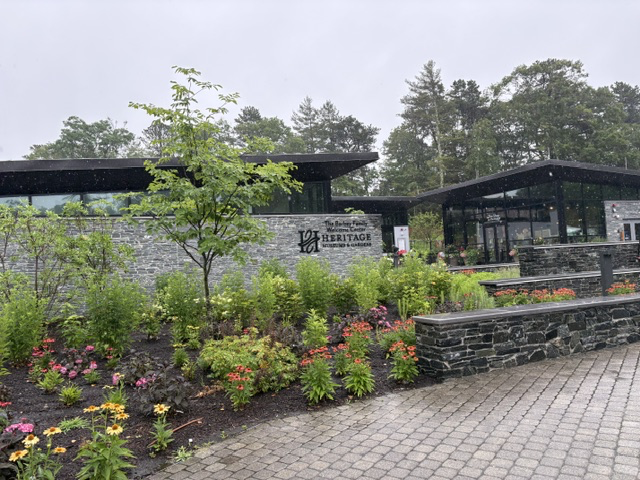
One of the things I enjoy about exploring museums is discovering that the museum itself often has a story that is just as interesting as the collections inside. Heritage Museums & Gardens in Sandwich is a perfect example. Spread across 100 acres, it brings together Cape Cod history, gardens, art, automobiles and the stories of the people who helped create and preserve this remarkable place.
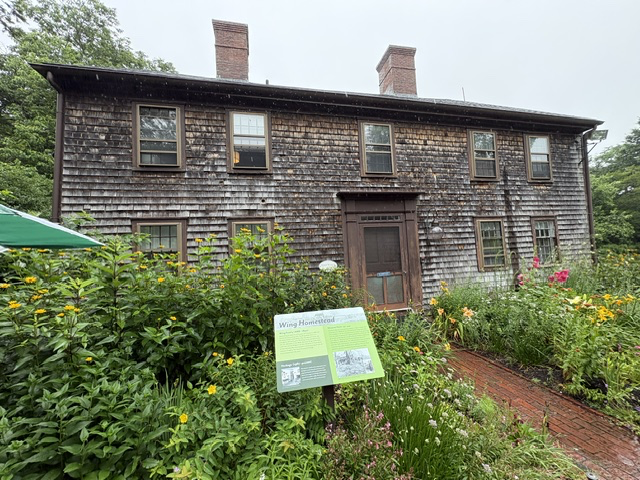
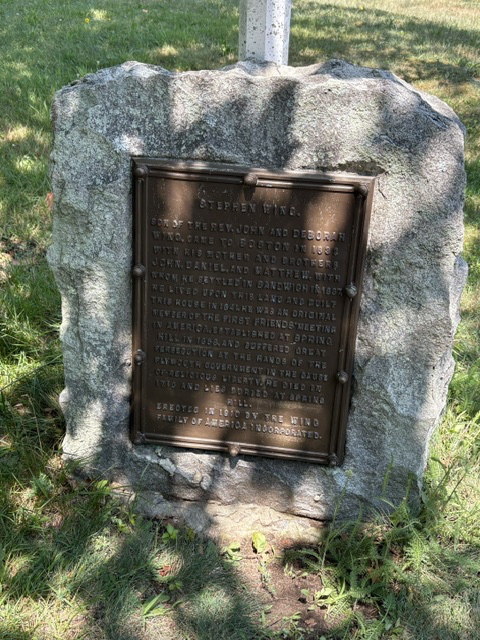
The history of the property reaches back centuries before there was a museum here. In 1677, Quaker Lydia Wing purchased land in Sandwich, and over the generations the Wing family developed a farm on the property with houses, grazing fields and orchards containing numerous varieties of apples. Long before this became a place people came to visit, it was part of the agricultural landscape of early Cape Cod.
The land continued to evolve. During the nineteenth and early twentieth centuries, portions of the property were owned by several people, including sculptor Franklin Ellwell and John and Annie Crane. The Cranes transformed what became known as Shawme Farm into a private retreat, adding gardens, a cranberry bog and even an astronomy observatory.
Another fascinating chapter belongs to Charles Owen Dexter, a New Bedford textile manufacturer who purchased Shawme Farm in 1921. Dexter became fascinated with rhododendrons and began breeding them on the property. Rather than concentrating on creating a cold-hardy plant, as many breeders did, he experimented with larger and more colorful blossoms. His work became nationally known, and many of the Dexter hybrid rhododendrons he developed can still be found at Heritage today.
The property eventually attracted J.K. Lilly III and his wife, Josephine. Lilly was part of the family associated with the pharmaceutical company Eli Lilly and Company, but he was also an enthusiastic collector. His interests ranged widely, and among his passions was a growing collection of antique automobiles.
Lilly had begun collecting cars while still in college. His collection grew quickly, and eventually he needed a permanent place to house it. In 1967, he and Josephine purchased the property overlooking Shawme Pond. They soon began thinking beyond creating a home for their own collections. They envisioned a museum where those collections could be shared with the public.
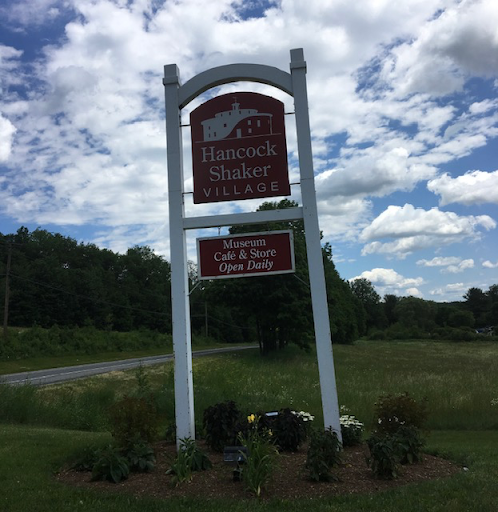
Heritage Plantation of Sandwich, as it was originally known, opened in 1969. One of its distinctive buildings was created specifically for Lilly’s automobile collection. The J.K. Lilly III Automobile Gallery was modeled after the Round Stone Barn at Hancock Shaker Village in Pittsfield, Massachusetts. The circular design was particularly well suited to displaying automobiles, allowing visitors to move around the building and follow the development of automotive technology.
The automobile collection tells a much larger story than simply displaying beautiful old cars. Early automobiles were experiments. Designers were still determining how cars should be powered, steered, built and operated. Steam, electricity and gasoline competed with one another, while manufacturers experimented with everything from body styles to braking systems. Walking through the collection is really a journey through the period when the automobile was transforming from an invention into something that would fundamentally change American life.
The landscape itself preserves layers of Cape Cod history. The Wing family’s seventeenth-century farm, the later estates and gardens, Dexter’s rhododendrons, the Lilly family’s collections and the museum established in 1969 all occupy the same property.
Read More From Nancy
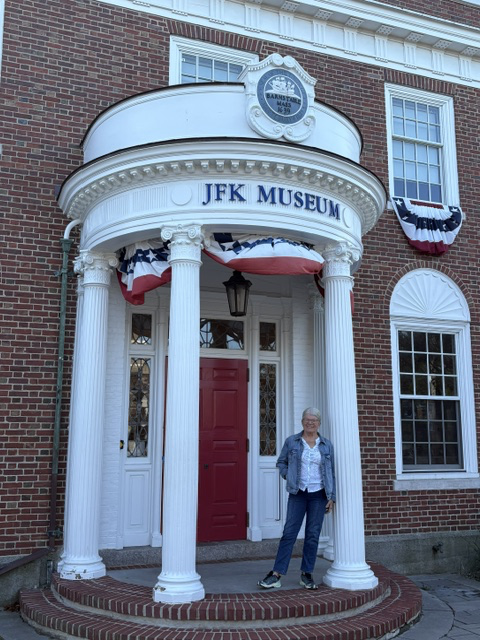
John F. Kennedy Museum
I grew up in a family that greatly admired the Kennedys. My mother kept a bust of President John F. Kennedy on our mantel, and there was little we did not know about the family and its many branches. Over the years, I visited numerous places associated with the Kennedys, so traveling to Hyannis and […]
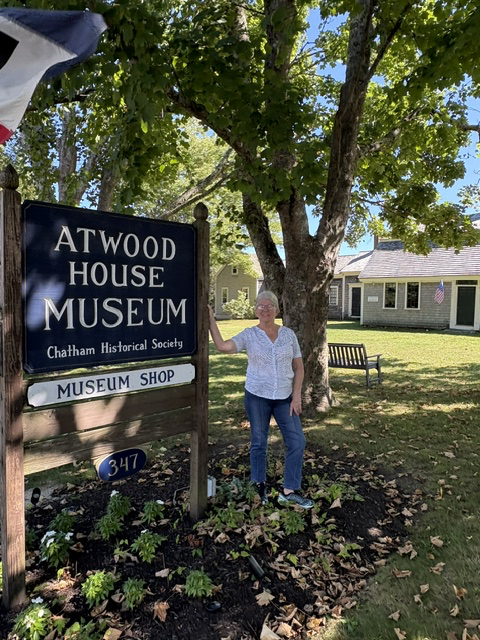
Atwood Museum
Joseph Sears Atwood was born in Eastham in 1720 and first went to sea at the age of ten. Like many young boys beginning a maritime career, he started as a cook aboard fishing vessels sailing to Nova Scotia and the Grand Banks. He gradually advanced through the ranks, becoming a seaman, mate, chief mate […]
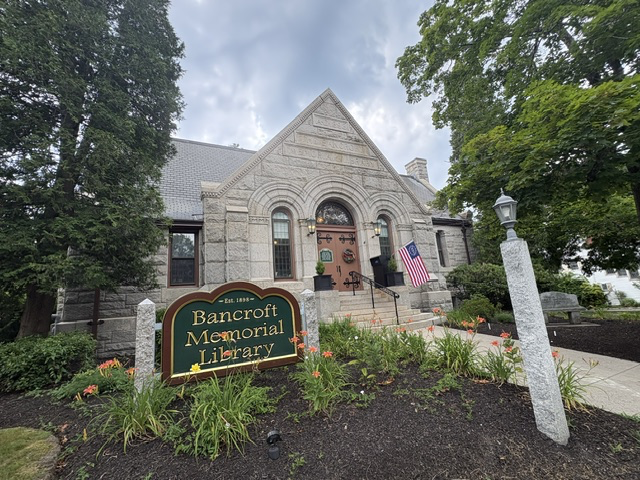
Bancroft Memorial Library
Standing in the center of Hopedale, the Bancroft Memorial Library is much more than a public library. It is the keeper of the town’s memory, preserving the stories of the people whose ideas, industry, and generosity shaped this remarkable community. Completed in 1898, the library was a gift from George and Eben Draper in memory […]

