Rainbow Bridge National Monument
Rainbow Bridge National Monument was established on May 30, 1910, to protect what is widely recognized as one of the world’s largest known natural bridges. Rising 290 feet above the canyon floor with a span of 275 feet, this extraordinary formation stands in the remote canyon country of southern Utah, where it has inspired awe for centuries.
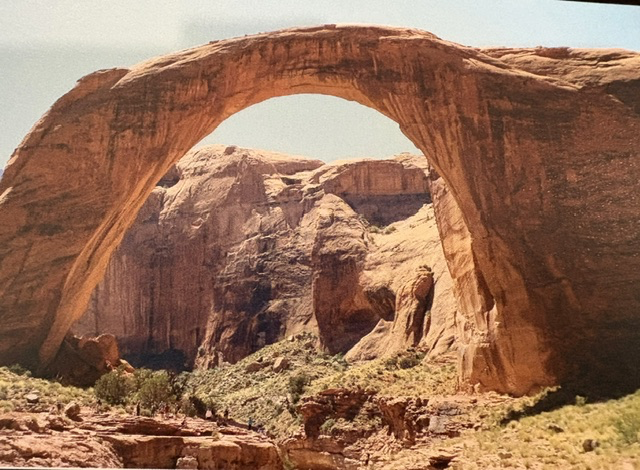
Rainbow Bridge was not built by earthquakes or volcanic forces, but by the patient work of water. Over millions of years, flowing streams carved through thick layers of Navajo Sandstone, gradually enlarging a natural opening until only the graceful arch remained. The result is one of nature’s greatest engineering achievements, a monument shaped entirely by erosion, time, and gravity.
Long before it became a national monument, Rainbow Bridge was revered by the Native peoples of the Southwest. The Navajo, Hopi, Paiute, Zuni, and other tribes have long regarded the bridge as a sacred place. For many, it is more than a geological feature—it is a place of prayer, ceremony, and spiritual significance. Even today, visitors are asked to respect these traditions by viewing the bridge without walking beneath it whenever possible.
Because of its remote location, Rainbow Bridge remained largely unknown to non-Native Americans until the early twentieth century. In 1909, an expedition led by explorer John Wetherill and guided by members of the Navajo Nation brought national attention to the bridge. Recognizing its extraordinary beauty and scientific importance, President William Howard Taft established Rainbow Bridge National Monument the following year.
Most visitors reach the monument by boat across Lake Powell, followed by a scenic walk through the desert canyon. The journey itself is part of the experience, gradually revealing the immense sandstone arch as it rises above the surrounding cliffs.

Read More From Nancy
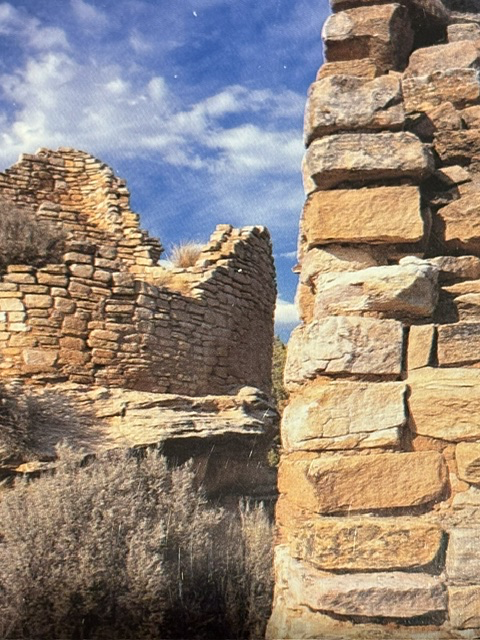
Hovenweep National Monument
The stone towers and walls of Hovenweep National Monument rise from the desert landscape. This monument is located in the remote Four Corners region along the border of Colorado and Utah. Hovenweep feels isolated even by Southwestern standards. Reaching this monument required traveling long stretches of quiet desert roads. The name Hovenweep comes from a Ute/Paiute word translated as “deserted […]
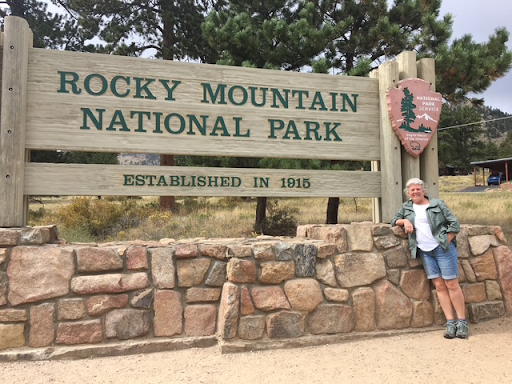
Rocky Mountain National Park
Another spectacular National Park is Rocky Mountain National Park. My oldest daughter Emily lives in the foothills of this park, so we have enjoyed more visits than most. From the rugged alpine cliffs to the mountain lakes, this landscape reminds us how diverse this park is. Established in January 1915, when Woodrow Wilson signed the act […]
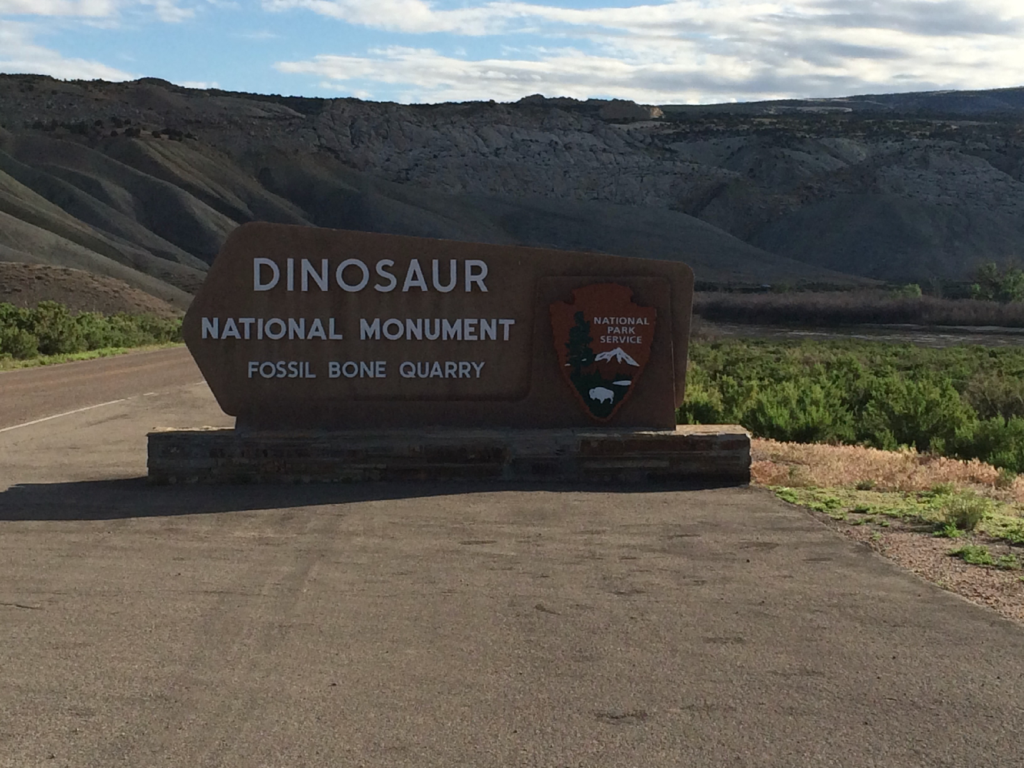
Dinosaur National Monument
When I visited Dinosaur National Monument, I couldn’t help but think of all the young boys who come into our office talking about dinosaurs. They know the names and, and to them, dinosaurs are larger than life. Standing inside this monument, I realized how unforgettable it would be for them to see the real thing. […]

