Bighorn Canyon National Recreation Area
Some landscapes tell their story through mountains or waterfalls. Bighorn Canyon tells its story through the relationship between water and stone. For millions of years, the Bighorn River carved its way through ancient limestone cliffs, creating one of the deepest canyons in the northern Rocky Mountains. Today, those towering canyon walls frame the waters of Bighorn Lake, creating a landscape that is both natural and human shaped.
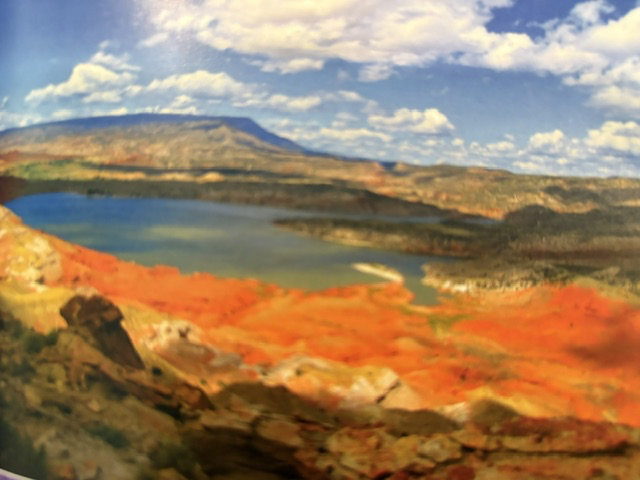
Bighorn Canyon National Recreation Area was established on October 15, 1966, following the completion of Yellowtail Dam. Encompassing more than 120,000 acres, the recreation area was created to preserve the canyon’s scenic beauty, archaeological resources, wildlife habitat, and recreational opportunities while allowing visitors to experience one of the most remarkable river canyons in the American West.
The centerpiece of the recreation area is Bighorn Lake, a seventy-one-mile reservoir extending through Montana and Wyoming. The lake was created when Yellowtail Dam was completed across the Bighorn River in 1965. The dam provides flood control, hydroelectric power, irrigation, and a dependable water supply while also opening the canyon to boating, fishing, kayaking, hiking, and countless opportunities to explore a landscape that had once been difficult to access.
The dam is named for Robert Yellowtail, one of the most respected leaders of the Crow Nation. Throughout his life, Yellowtail worked tirelessly to protect the rights, land, and sovereignty of his people. Interestingly, although the structure bears his name, he opposed the construction of the dam because he believed flooding the canyon would permanently alter lands that held great cultural and historical significance for the Crow people. Naming the dam in his honor reflects the respect he earned through decades of leadership and public service, even while recognizing the complexity of the decisions surrounding its construction.
Visiting Bighorn Canyon reminded me that our National Park System preserves more than untouched wilderness. It also protects landscapes where nature and human history intersect. Here, an ancient canyon, a modern engineering achievement, and the legacy of an important Native American leader all become part of the same story, inviting visitors to appreciate both the beauty of the landscape and the people whose lives have been connected to it for thousands of years.
Read More From Nancy
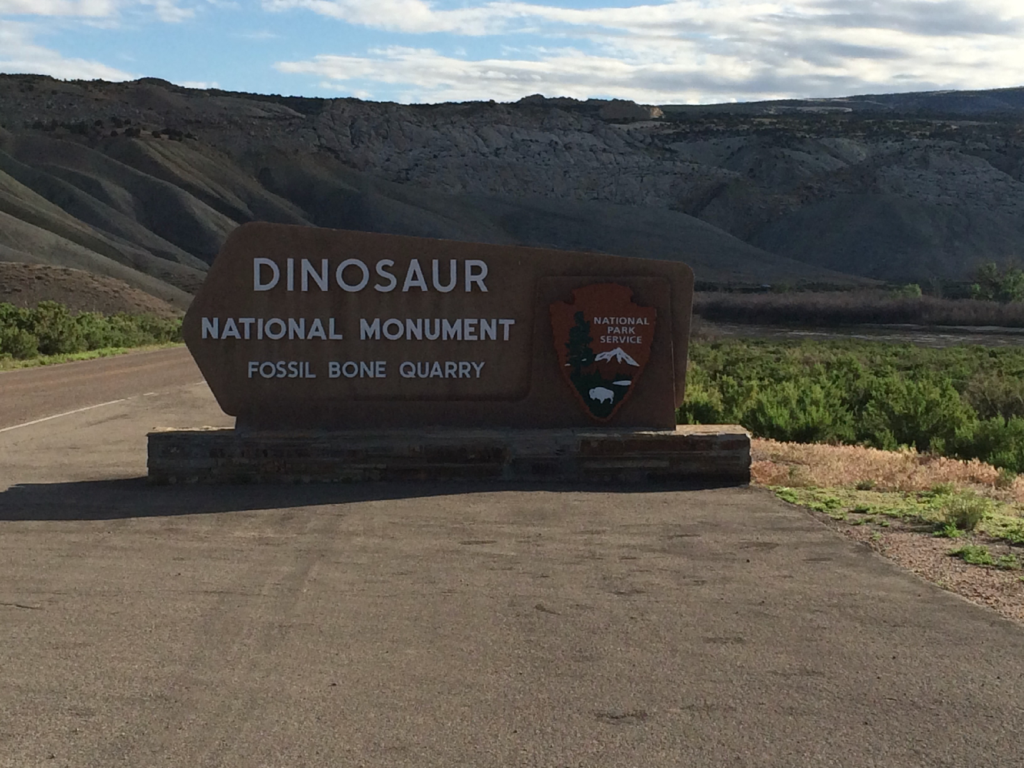
Dinosaur National Monument
When I visited Dinosaur National Monument, I couldn’t help but think of all the young boys who come into our office talking about dinosaurs. They know the names and, and to them, dinosaurs are larger than life. Standing inside this monument, I realized how unforgettable it would be for them to see the real thing. […]
Theodore Roosevelt National Park
I have traveled with intention, seeking out the place that tells the fuller stories of the Presidents of the United States. Over the years, I have visited all the Presidential libraries, along with many of their birthplaces, homes and the lesser-known sites that reveal who these men were beyond their public offices. It is often these […]
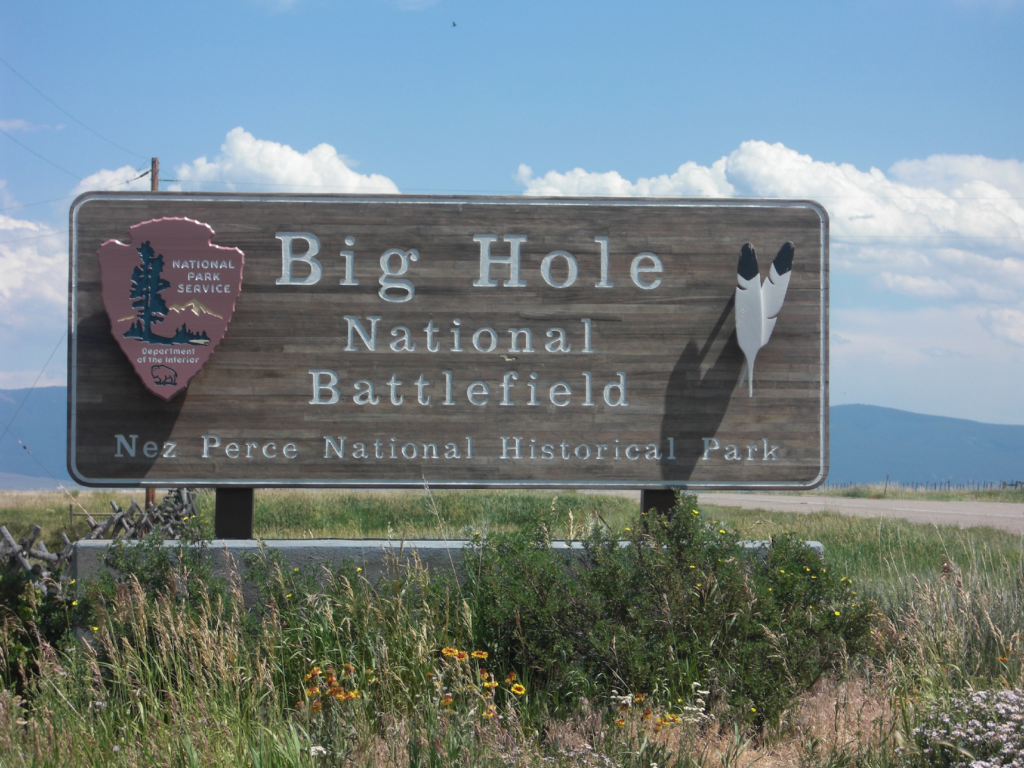
Big Hole National Battlefield
On the East Coast, we speak of conflicts with Native peoples. We reference King Philip’s War in town histories and on roadside plaques, but we have not preserved large landscapes in the same way. There are markers. There are monuments. There are footnotes in local museums. But there are few expansive, protected battlefields with visitor […]

