Arrowhead
I’ve visited Arrowhead a couple of times over the years, and each visit leaves me with a deep appreciation of the home and the life that lived within its rooms. Nestled among the hills of Pittsfield, MA, this farmhouse holds an important chapter in American literary history. It was here, from 1850 to 1863, that Herman Melville entered the most productive period of his career. These years would shape the legacy we now recognize as foundational to American literature.

Arrowhead is where Melville wrote “Moby Dick”. “Pierre”, “Bartleby”, and several other major works. Standing inside his study where he worked, Melville had an unobstructed view of Mount Greylock, the highest point in Massachusetts. He often said that in winter its long, white, sloping ridge resembled the back of a great whale. That image became the symbol of Moby-Dick.
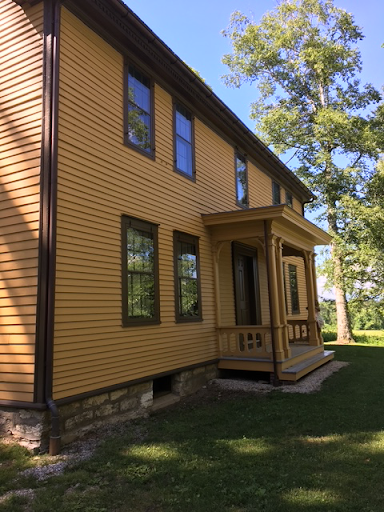
Arrowhead was not a solitary cabin of a reclusive writer, but a home Melvill shared with his wife and four children. Melville hoped that farming would supplement his writing income and that publication of Moby Dick, might bring the recognition he sought. Arrowhead is a window in the world that shaped a great American author and his most famous work. The stories we cherish are rooted in the lives that produced them.
Read More From Nancy
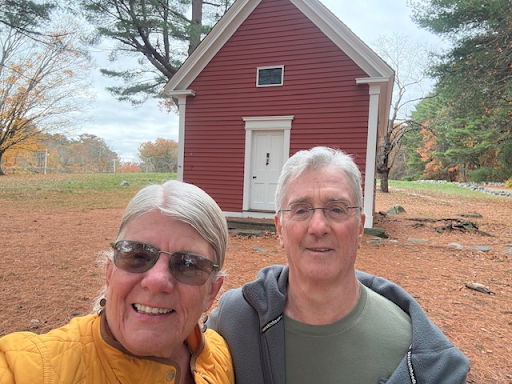
The Red Stone School
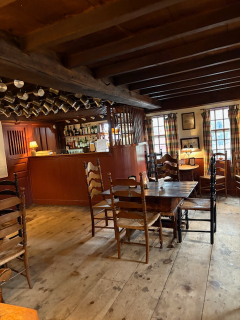
When Henry Ford purchased the Wayside Inn in 1923, he saw more than an old colonial tavern, he saw the beginnings of a “living village”. He wanted a place where the essential virtues of early American life could be preserved. He wanted a community in which each building represented a foundation value. This schoolhouse would be the place where discipline […]
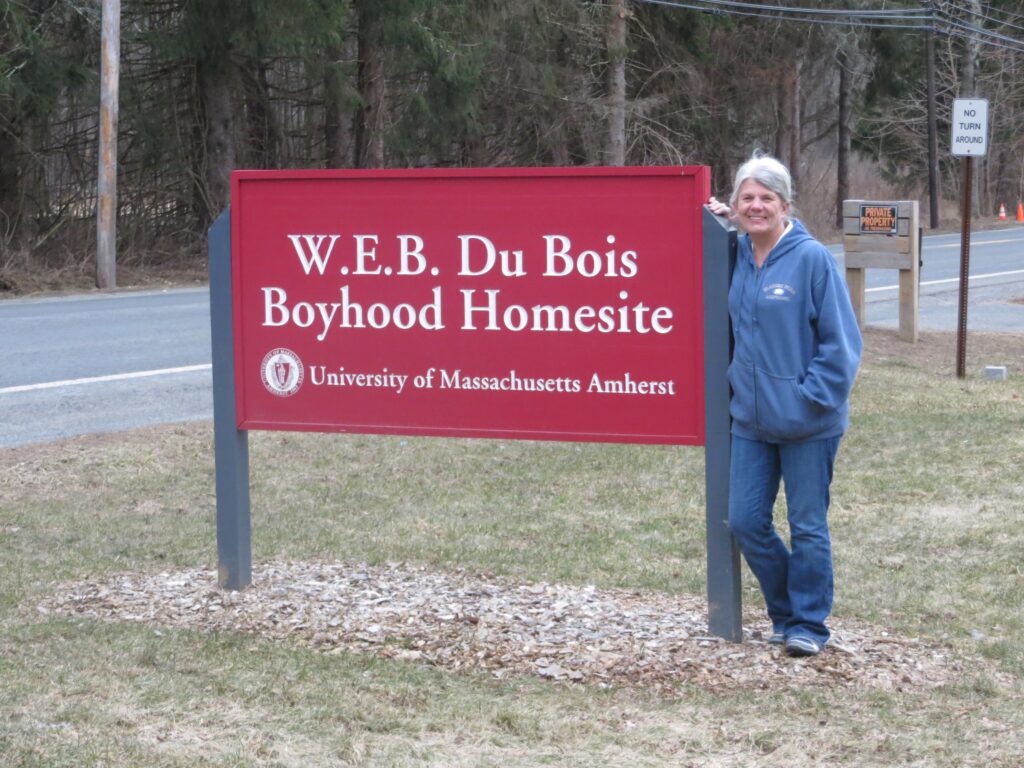
W.E.B. Du Bois Boyhood Homesite
While exploring the Berkshires, we made a stop at the W. E. B. Du Bois Boyhood Homesite near Great Barrington, Massachusetts. Although little remains of the house itself, the site marks the place where one of America’s most important intellectuals, writers, and civil rights leaders spent his early years. Standing by the sign, it was remarkable to […]
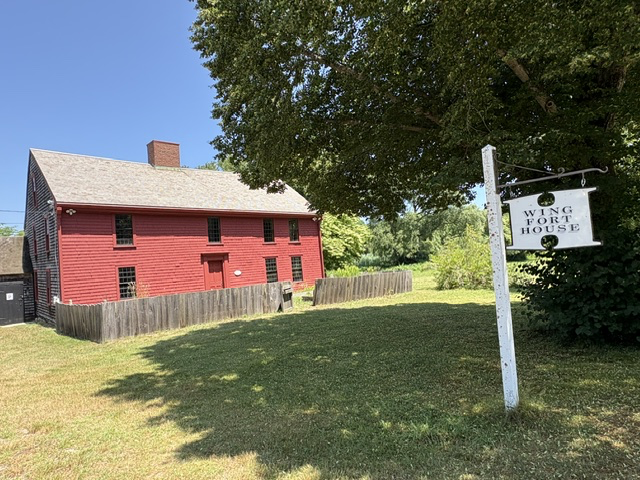
The Wing Fort House
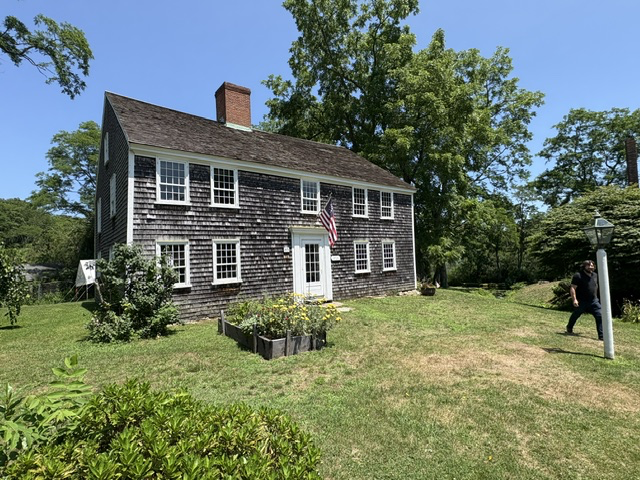
Along Spring Hill Road in East Sandwich stands a house whose simple exterior hides an extraordinary history. The Wing Fort House dates to about 1641, placing its beginnings within the first years of Sandwich itself. What makes it especially unusual is the continuity of the family connected with it: generations of the Wing family occupied […]

