Theodore Roosevelt National Park
I have traveled with intention, seeking out the place that tells the fuller stories of the Presidents of the United States. Over the years, I have visited all the Presidential libraries, along with many of their birthplaces, homes and the lesser-known sites that reveal who these men were beyond their public offices. It is often these quieter places, away from the monuments, that speak most honestly.
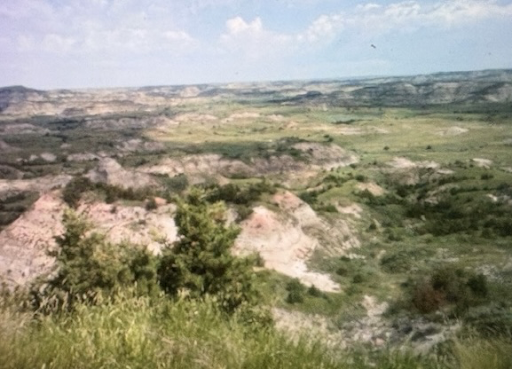
One of the places that speaks volumes about Theodore Roosevelt is Theodore Roosevelt National Park. This land is not simply named for Roosevelt it is where he came in search of refuge at one of the most painful moments of his life.
In 1884, Roosevelt lost both his mother and his young wife, on the same day. Grief-stricken, he left behind his structured, upper-class world of New York City and headed to the Dakotas. The open, unforgiving landscape could not have been more different from where he was raised. Yet it was precisely this contrast that allowed him to heal.
Roosevelt immersed himself in ranch life. He worked cattle, rode long distances, endured brutal winters and lived simply. He later wrote this this time “saved my life.” The land demanded resilience and offered no pretense. These qualities defined his leadership, his conservation and his belief in personal responsibility.
When Congress established Theodore Roosevelt National Memorial park in 1947, it was to honor President Roosevelt and the preserve a place that shaped this man. It remains the only U.S. national park named directly for an individual, recognizing the profound influence this landscape had on Roosevelt’s character and worldview.
Visiting Theodore Roosevelt National Park reinforced something I have learned time and again in my travels through history: to truly understand a person, you must stand where they once stood.
Read More From Nancy
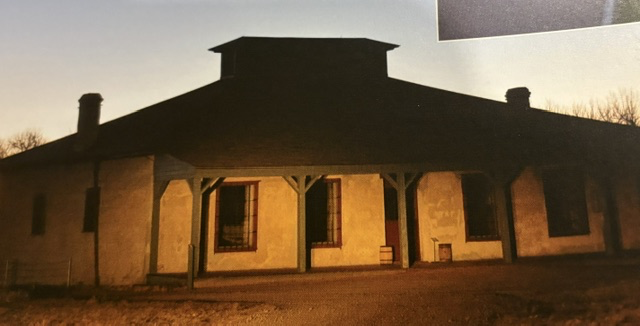
Fort Laramie National Historic Site
Fort Laramie National Historic Site in Fort Laramie, Wyoming, preserves one of the most important crossroads in the history of the American West. Established as a private fur trading post in 1834, the fort eventually evolved into the largest and most significant military post on the northern plains. It became a vital stop for thousands […]
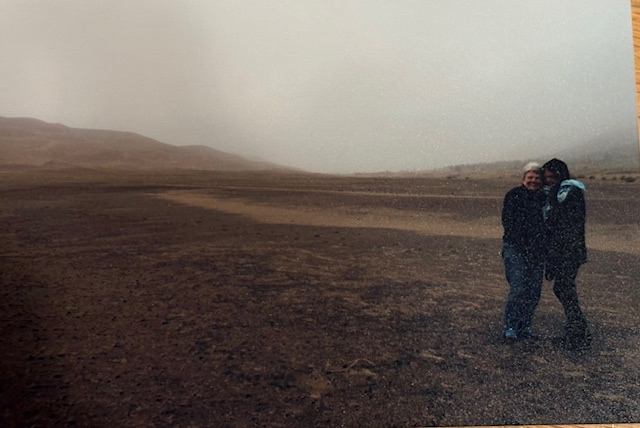
Great Sand Dunes National Park
A special trip to Colorado brough Erin and me there, where we met Emmy. When we met at the airport, the weather was warm and sunny, and it felt like the beginning of an easy day. We set off with the intention of visiting the Great Sand Dunes, expecting wide open skies and calm views. […]
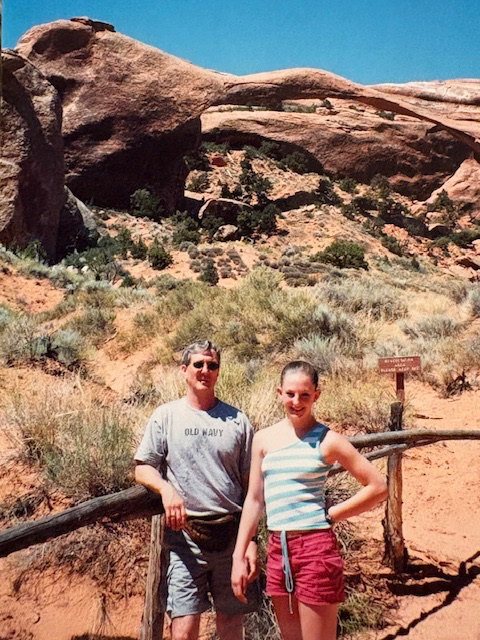
Arches National Park
There are few states with as many remarkable national parks as Utah, and Arches National Park is truly one of its most unforgettable. Here we are standing along the Devil’s Garden, in front of the Landscape Arch, one of the longest natural stone arches in the world. Its span stretched over 300 feet, and what […]

