Flight 93 National Memorial
I visited the Flight 93 site when the memorial was still in its early stages. There was very little there compared with the national memorial that has since been created. In some ways, that sparseness made the experience even more poignant. There were few distractions from the landscape itself and from the events that had taken place there.
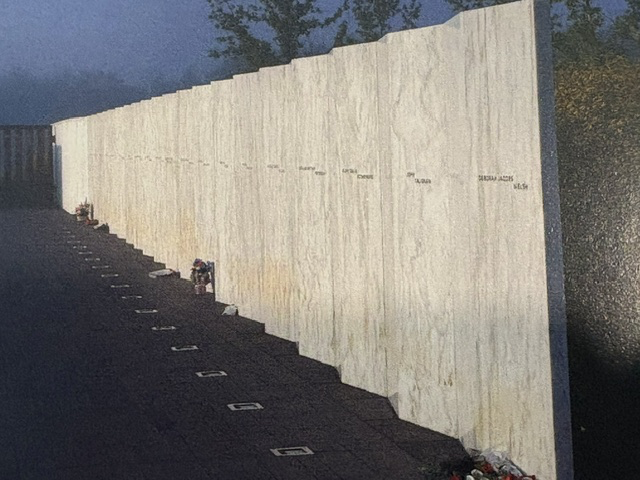
On the morning of September 11, 2001, United Airlines Flight 93 left Newark bound for San Francisco. After terrorists hijacked the plane, the passengers and crew learned through telephone calls that other hijacked aircraft had already struck the World Trade Center and the Pentagon. Realizing that their plane was likely intended for another target, they made the decision to fight back.
Thirty-three passengers and seven crew members were aboard Flight 93, along with the four hijackers. As passengers and crew attempted to regain control of the aircraft, the hijackers deliberately crashed the plane into an open field near Shanksville, Pennsylvania, at 10:03 that morning. Everyone aboard was killed. Investigators concluded that the hijackers were probably headed toward Washington, D.C.; the U.S. Capitol is considered the most likely target, although the precise target can never be known with certainty.
The simple wall listed the names of the passengers and crew, and visitors left flowers and other personal tributes. The temporary memorial grew from the spontaneous response of people who began coming to the site almost immediately after September 11.
Congress authorized the Flight 93 National Memorial in 2002. Over the following years, the National Park Service worked with the families, local community and others to preserve the crash site and create a permanent memorial. Today the memorial encompasses more than 2,000 acres and includes the Memorial Plaza, Wall of Names, Visitor Center, Flight Path Walkway and the 93-foot Tower of Voices containing 40 wind chimes, one representing each passenger and crew member.
But what has stayed with me from my early visit was the open field.
Standing there and looking across that quiet Pennsylvania landscape made the story suddenly very real. This was not simply a place where a memorial had been constructed. I could see the actual field where Flight 93 had come down and understand how ordinary and peaceful the setting had been before that September morning.
Seeing that open field remains one of my strongest memories of the visit. It gave a physical place to a story the entire country knew and made the courage of the passengers and crew of Flight 93 feel immediate and deeply human.

Read More From Nancy
Great Egg Harbor National Scenic and Recreational River
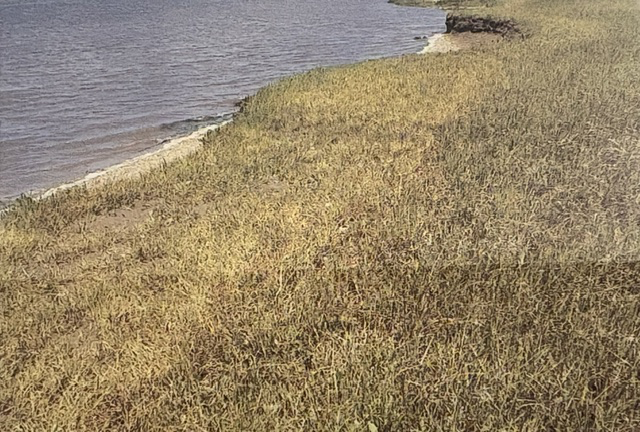
Beginning as little more than a trickle near Berlin, New Jersey, the Great Egg Harbor River gradually gathers the waters of seventeen tributaries as it winds through the forests and wetlands of the Pine Barrens. Along the way, the narrow stream becomes a broad tidal river before reaching Great Egg Harbor Bay and the Atlantic […]
Shenandoah National Park
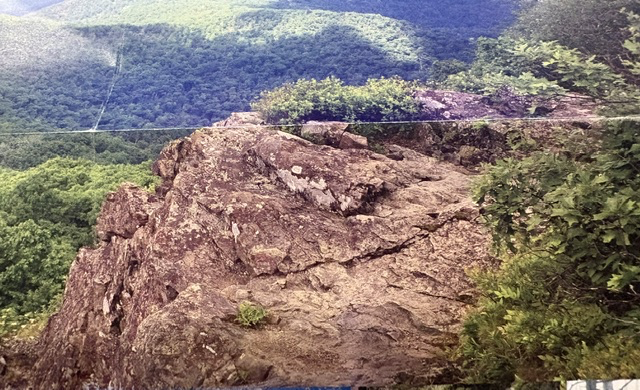
Shenandoah National Park protects a beautiful section of Virginia’s Blue Ridge Mountains, the easternmost range of the Appalachian Mountains. Forested ridges, rocky summits, waterfalls and deep valleys create a landscape that changes with the seasons and stretches toward the Shenandoah Valley in the west and the Virginia Piedmont in the east. Skyline Drive follows the […]
Booker T. Washington National Monument
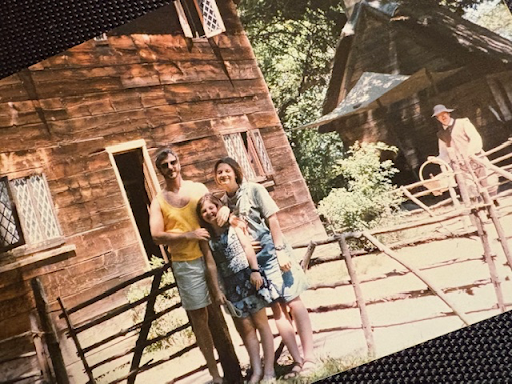
During our 1996 family road trip to Atlanta for the Olympic Games, one of the historic sites we stopped along the way was Booker T. Washington National Monument in rural southwestern Virginia. Tucked into the rolling countryside, the site preserves the birthplace and early childhood environment of one of the most influential African American leaders in […]

