Seven-Mile Beach
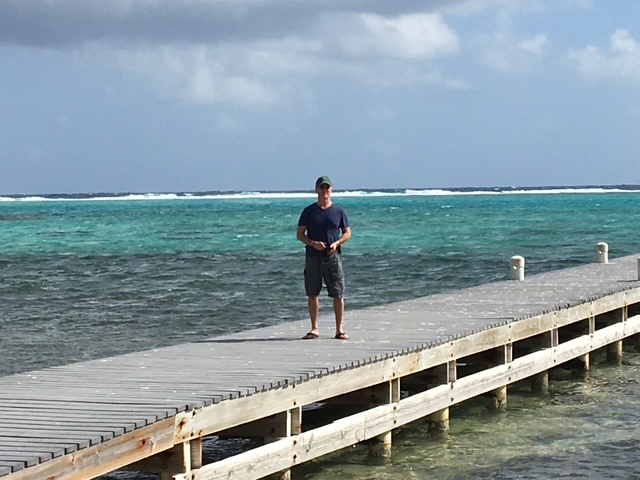
Seven Mile Beach is celebrated as one of the world’s most beautiful beaches. As Marty and I watched the sun set over the Caribbean, we understood why. The crystal-clear water, white sand, and vibrant colors of the evening sky created a moment of quiet beauty we will never forget.

Despite its name, Seven Mile Beach is just over six miles long. The name dates to the eighteenth century when distances were estimated rather than carefully measured. Although modern surveys revealed that the beach was shorter than originally believed, the historic name remained, becoming one of the Cayman Islands’ most recognizable landmarks.
The beach itself is a remarkable product of nature. Unlike many beaches formed from weathered rock, the brilliant white sand is composed primarily of finely broken coral and the skeletal remains of tiny marine organisms that have accumulated over thousands of years. Protected by an offshore coral reef, the calm, crystal-clear waters create ideal conditions for swimming, snorkeling, and marine life. Ocean currents continually reshape and replenish the shoreline, making Seven Mile Beach a living landscape that is constantly changing while maintaining the beauty for which it is known.
The beach itself is a remarkable product of nature. Unlike many beaches formed from weathered rock, the brilliant white sand is composed primarily of finely broken coral and the skeletal remains of tiny marine organisms that have accumulated over thousands of years. Protected by an offshore coral reef, the calm, crystal-clear waters create ideal conditions for swimming, snorkeling, and marine life. Ocean currents continually reshape and replenish the shoreline, making Seven Mile Beach a living landscape that is constantly changing while maintaining the beauty for which it is known.
Long before luxury resorts lined the coast, this shoreline was central to the lives of the Caymanian people. For generations, fishermen launched their small wooden catboats from these gentle waters, while others harvested turtles and fish that sustained the island’s economy. The beach served as a natural roadway connecting settlements along the western coast of Grand Cayman and played an important role in the island’s maritime heritage. What visitors now experience as a tropical paradise was once a hardworking coastline where families earned their livelihoods from the sea.
As tourism grew during the second half of the twentieth century, Seven Mile Beach became the heart of Grand Cayman’s visitor industry. Yet despite its international reputation, the beach has retained much of its natural beauty. Conservation efforts now focus on protecting the nearby coral reefs and marine ecosystems that make these waters so clear and vibrant. The health of the beach and the sea are inseparable, reminding visitors that preserving this remarkable environment is essential for future generations.