Great Hunger Museum
When I visited Ireland’s Great Hunger Museum in 2017, it was clear this was created with the purpose to give a voice to a chapter of history. This museum was founded to tell the story of the Great Famine: An Gort Mor. This story was not just about crop failure but also about political failure, of policies that turned a natural disaster into a human catastrophe. Quinnipiac University sought to create the first cultural institution in the world devoted entirely to understanding not only the suffering but the forces that allowed it to unfold.
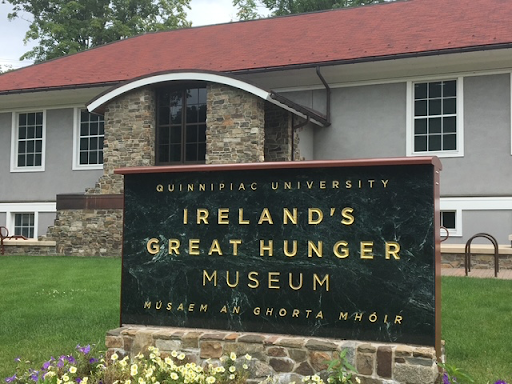
A short film at the museum explained how the potato blight may have triggered the crisis, but it was British policy that determined its scale. Ireland continued to export food to England, even as millions of Irish families started. Political leaders chose restraint over relief and local landlords protected their estates rather than their tenants.

The famine had shaped not only Ireland but also the countless families who left its shores. This museum provided a space where history could be confronted honestly. The artwork inside the Museum told the story of the famine in a way that history books could not. The art made the famine personal.

Read More From Nancy
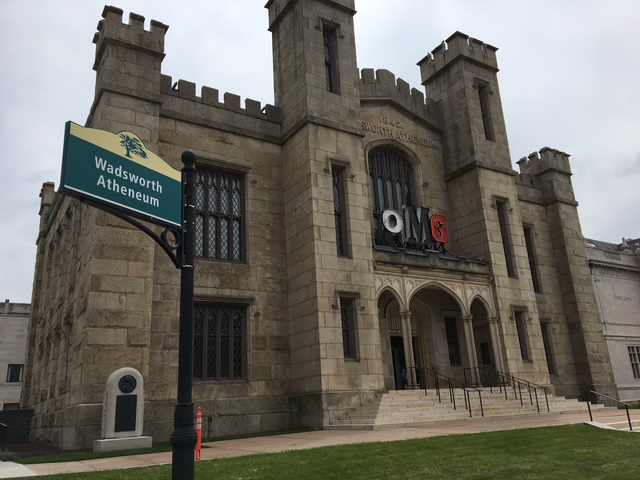
Wadsworth Atheneum
Rising like a medieval castle in the center of Hartford, the Wadsworth Atheneum Museum of Art is the oldest continuously operating public art museum in the United States. Its towers, narrow Gothic windows, and heavy granite walls give the building an appearance unlike that of most American art museums. The architecture announces that visitors are […]
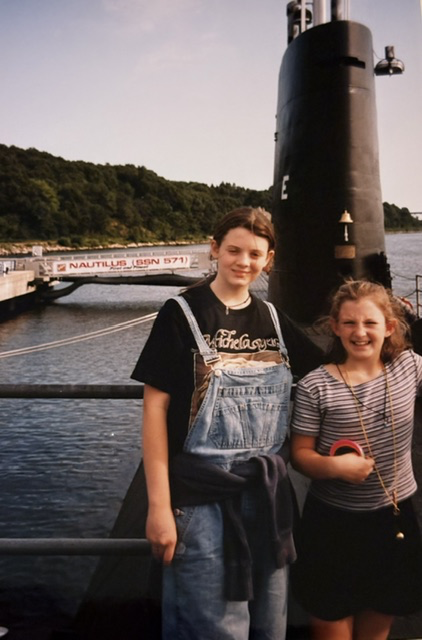
Submarine Force Museum
When our daughters were growing up, travel did not always mean going somewhere far from home. Some of our best adventures were day trips around New England, looking for places where we could experience history rather than simply read about it. One of those trips took us to Groton, Connecticut, to visit the Submarine Force […]
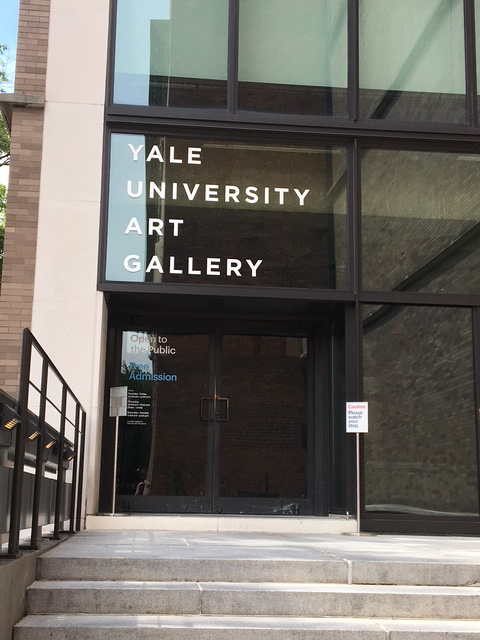
Yale University Art Gallery
The Connecticut Art Trail gave me a reason to travel throughout the state in search of art and history. Its participating locations included large museums, smaller galleries, artists’ studios, and historic houses. Each stop offered something different, turning the trail into more than a tour of art collections. It became a way to explore Connecticut […]

