Vicksburg National Military Park
National Military Park in Vicksburg, Mississippi, preserves one of the most decisive campaigns of the Civil War. Established as a National Military Park in 1899, it commemorates the siege of Vicksburg, which ended with a Union victory on July 4, 1863. With the surrender of the city, the Union gained control of the entire Mississippi River, splitting the Confederacy in two and dramatically changing the course of the war.
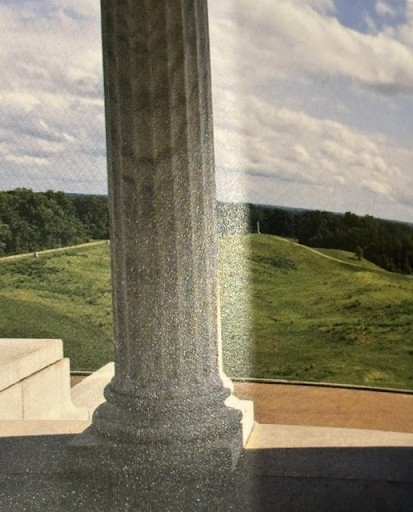
The campaign lasted from March 29 through July 4, 1863, culminating in a 47-day siege. Confederate soldiers and the citizens of Vicksburg endured constant bombardment as Union forces slowly tightened their grip on what had become known as the “Gibraltar of the Confederacy.” Food became scarce, and many families sought shelter in caves dug into the surrounding hillsides to escape the relentless artillery fire.
As I explored the battlefield, I found myself thinking less about military strategy and more about the people who lived through those forty-seven days. It is one thing to read that a city was under siege. It is another to stand where thousands of soldiers fought and where civilians struggled simply to survive each day.
I have found Civil War battlefields among the most difficult places to visit. While they commemorate important victories and turning points in our nation’s history, they also remind us of the suffering endured by soldiers and civilians on both sides. It is hard to celebrate a military triumph when you are standing in a place where so many lives were forever changed.
Perhaps that is why places like Vicksburg are so important to preserve. They allow us to remember not only the outcome of a battle, but also the sacrifices that accompanied it. Walking these quiet fields today encourages reflection rather than celebration and reminds us of the high price our nation paid to remain united.

Read More From Nancy

Andrew Johnson National Historic Site
Another presidential site I explored through the National Park Service was the Andrew Johnson National Historic Site in Greeneville, Tennessee. During our visit, we toured both the tailor shop where Johnson learned his trade and the home where he and his family lived. The simple bedroom shown here offered a glimpse into the personal side […]

Buck Island Reef National Monument
Another birthday and family history vacation was spent on Saint Croix exploring Buck Island Reef National Monument. Like many of our family trips, the destination combined celebration, adventure and another opportunity to experience one of the unique places preserved within the National Park System. Buck Island is unlike many national parks we have visited over the years. This […]
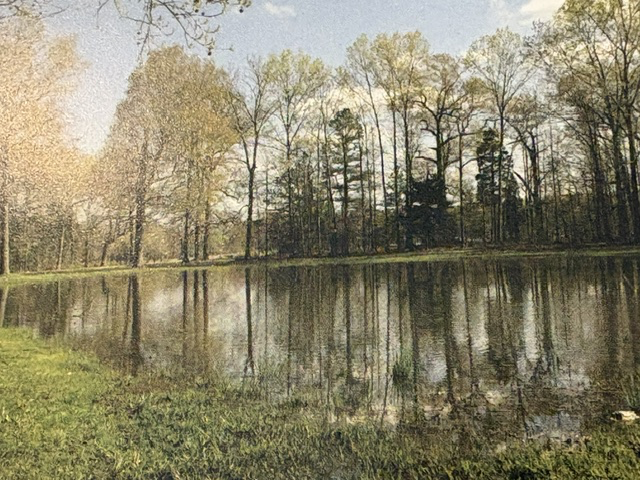
Shiloh National Military
The peaceful landscape at Shiloh National Military Park gives little indication of the enormous battle that took place here on April 6 and 7, 1862. The Battle of Shiloh was one of the first major battles in the Western Theater of the Civil War and, at the time, the bloodiest battle yet fought in American […]

