Fort Laramie National Historic Site
Fort Laramie National Historic Site in Fort Laramie, Wyoming, preserves one of the most important crossroads in the history of the American West. Established as a private fur trading post in 1834, the fort eventually evolved into the largest and most significant military post on the northern plains. It became a vital stop for thousands of emigrants traveling west on the Oregon, California, and Mormon Trails, as well as soldiers, traders, and Native American tribes.
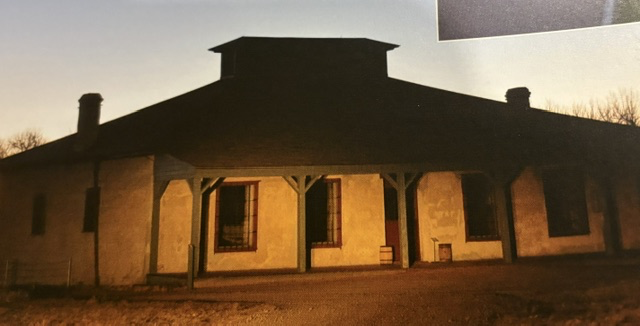
I visited Fort Laramie while driving across Wyoming. Even today, much of this part of the state feels wide open and sparsely populated. Long stretches of prairie seem to go on forever, making it easier to understand why travelers welcomed the sight of the fort after weeks or even months on the trail. It was more than a military post. It represented safety, supplies, fresh livestock, news from the East, and a chance to rest before continuing the journey west.
As the nation expanded, Fort Laramie became a center for diplomacy as well as transportation. It was the site of important treaty negotiations between the United States government and several Plains Indian tribes, agreements that would have profound and lasting consequences for the people of the region.
Walking through the preserved buildings, I found myself imagining the thousands of people who once gathered here. Some arrived filled with hope as they searched for new opportunities in the West. Others came as soldiers assigned to protect the trails. Native American leaders came to negotiate, while traders, missionaries, and government officials all passed through this isolated outpost. Each had a different purpose, yet all became part of the same unfolding story.
Fort Laramie reminds us that the settlement of the American West was far more complex than a journey across open land. It was a meeting place of cultures, ambitions, cooperation, and conflict. Standing in this quiet corner of Wyoming today, it is easy to appreciate why this lonely outpost became one of the most important landmarks on America’s westward frontier.
Read More From Nancy
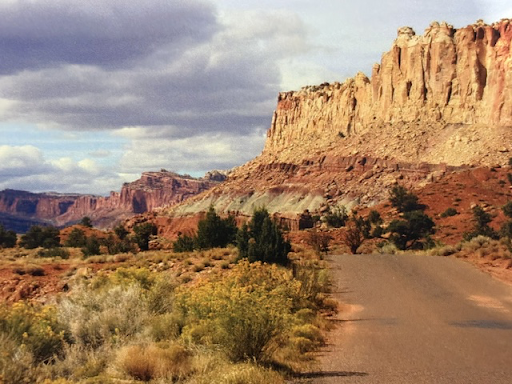
Capitol Reef National Park
Capitol Reef National Park in south-central Utah is one of those places that often surprises first-time visitors. Established as a national park in 1971, it is sometimes overshadowed by Utah’s other famous parks, yet it offers some of the most spectacular scenery in the Southwest. Driving across Utah is an experience unlike any other. It […]
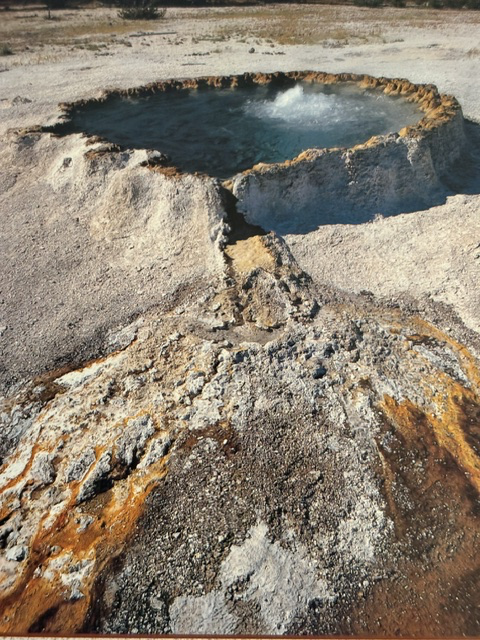
Yellowstone National Park
Yellowstone National Park is best known for Old Faithful, but some of the park’s most fascinating features are found away from the crowds. One of those places is Punch Bowl Spring in the Upper Geyser Basin, a beautiful hot spring that has quietly fascinated visitors for generations. Yellowstone holds a special place in American history. […]
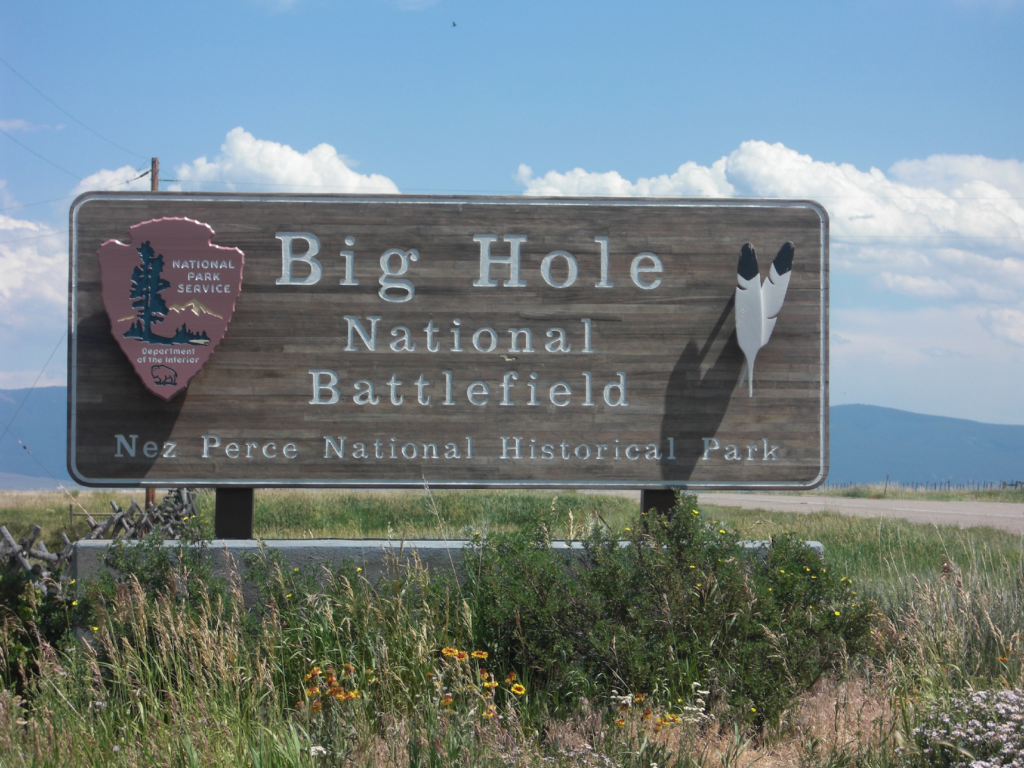
Big Hole National Battlefield
On the East Coast, we speak of conflicts with Native peoples. We reference King Philip’s War in town histories and on roadside plaques, but we have not preserved large landscapes in the same way. There are markers. There are monuments. There are footnotes in local museums. But there are few expansive, protected battlefields with visitor […]

