Capitol Reef National Park
Capitol Reef National Park in south-central Utah is one of those places that often surprises first-time visitors. Established as a national park in 1971, it is sometimes overshadowed by Utah’s other famous parks, yet it offers some of the most spectacular scenery in the Southwest.
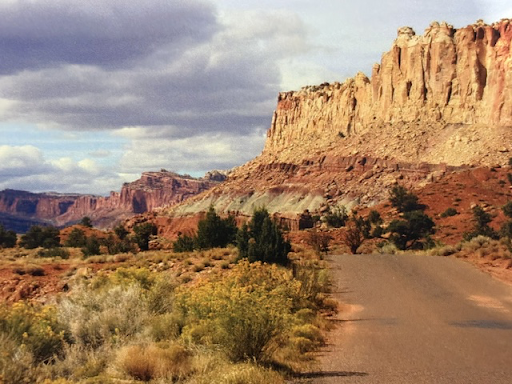
Driving across Utah is an experience unlike any other. It seems that around every bend in the road another breathtaking landscape appears. Capitol Reef was one of those places for me. As I drove through the park, towering cliffs, colorful sandstone formations, and wide-open desert vistas stretched in every direction. It is easy to understand why Utah is home to so many national parks.
The park protects the Waterpocket Fold, a nearly 100-mile-long wrinkle in the Earth’s crust that was formed more than 50 million years ago. Over millions of years, wind and water carved the uplift into a remarkable landscape of cliffs, canyons, domes, arches, bridges, and deep, narrow gorges. The name “Capitol Reef” comes from the white Navajo Sandstone domes that reminded early settlers of the U.S. Capitol and the rocky cliffs that formed barriers, or “reefs,” to early travelers.
Unlike many of the parks I have visited, Capitol Reef never felt crowded. It seemed to be one of Utah’s hidden treasures, inviting visitors to slow down and appreciate the quiet beauty of the desert. Every overlook revealed another layer of color, another towering cliff, or another winding canyon sculpted by time.
Standing in this landscape, I was reminded that some of nature’s greatest masterpieces are not the most famous ones. Capitol Reef may not receive the attention of Zion or Bryce Canyon, but its beauty is every bit as impressive. It is one of those places that rewards those willing to venture a little farther, proving that some of the most memorable discoveries are the ones we never expected to find.
Read More From Nancy
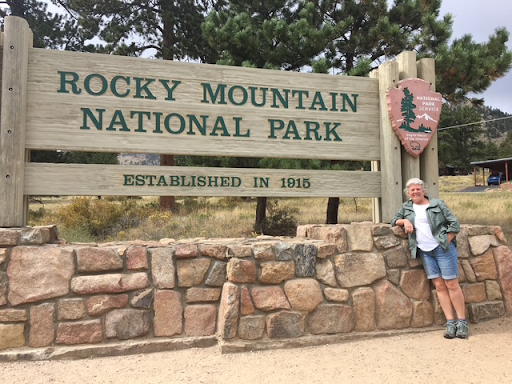
Rocky Mountain National Park
Another spectacular National Park is Rocky Mountain National Park. My oldest daughter Emily lives in the foothills of this park, so we have enjoyed more visits than most. From the rugged alpine cliffs to the mountain lakes, this landscape reminds us how diverse this park is. Established in January 1915, when Woodrow Wilson signed the act […]
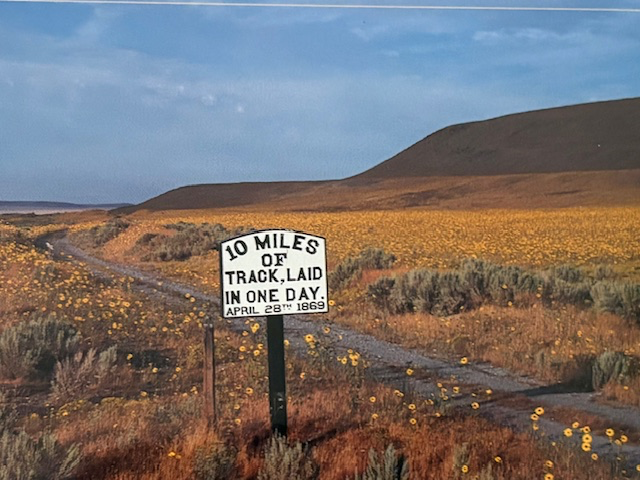
Golden Spike National Historical Park
There are places where history is marked by monuments, and others where it is held in the land itself. Golden Spike National Historical Park, located in northern Utah at Promontory Summit, is one of those places. At Promontory Summit, the significance is in the simple alignment of two rail lines that once approached from opposite […]
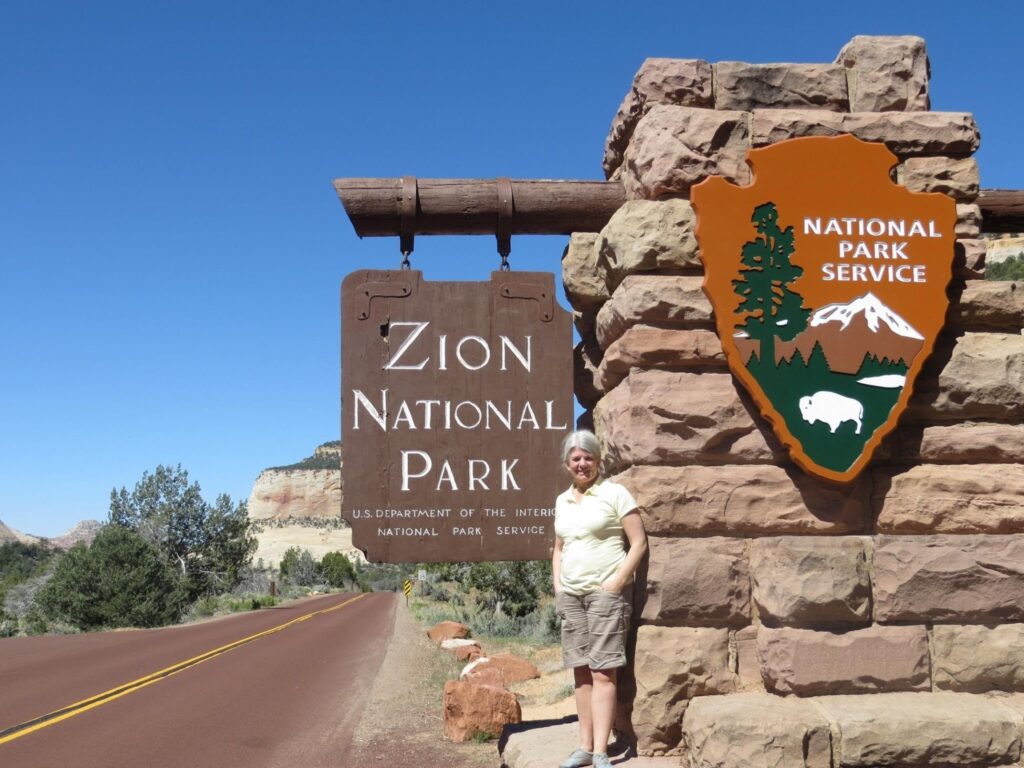
Zion National Park
The first time I visited Zion was on one of our family road trips. Like so many of those trips, we had a plan, places we wanted to see, miles to cover, but nothing really prepared me for what it felt like to enter Zion. There are places where the scale of the land reshaped […]

