Convalescent Hospital
July 1944Dearest Reader,
In July of 1944, letters to my father were addressed to Fort George Wright Hospital in Spokane Washington. Fort George Wright Hospital in 1944 was a key convalescent and rehabilitation facility for the US Army servicemen.
Fort George was a US post established beginning in the late 1890s. The hospital was built on-site in 1898 and over the decades the facility evolved and by WWII it had become a major medical campus for the Army.
By early 1944, the hospital was designed as a Regional Convalescent Hospital for recovering soldiers. The “convalescent” function means its primary role was rehabilitation caring for troops who were wounded, ill or fatigued, including psychological “battle fatigue.
The hospital shows how the US military adapted during WWII building not just combat forces, but recovery and medical infrastructure for thousands of returning or injured service members.
Fort George Wright’s hospital is one of two major “fatigue hospitals” in the Northwest during WWII. The US Army had built a vast medical network to care for the hundreds of thousands of soldiers who were not gravely wounded but who were too ill, exhausted or emotionally overwhelmed to return to duty. Out of necessity, the military created a specialized system of convalescent centers whose focus was on rest, rehabilitation and psychological evaluation.
By the middle of WWII, the Army recognized the need for dedicated facilities. Men suffering from “nervous exhaustion” and stress-related conditions overwhelmed the existing hospital system. The solution was a network of convalescent centers spread across the country. By mid-1944, the United States operated nine major convalescent centers designated for the rehabilitation of soldiers
Dr. Nancy Watson
Washington
Read More From Nancy
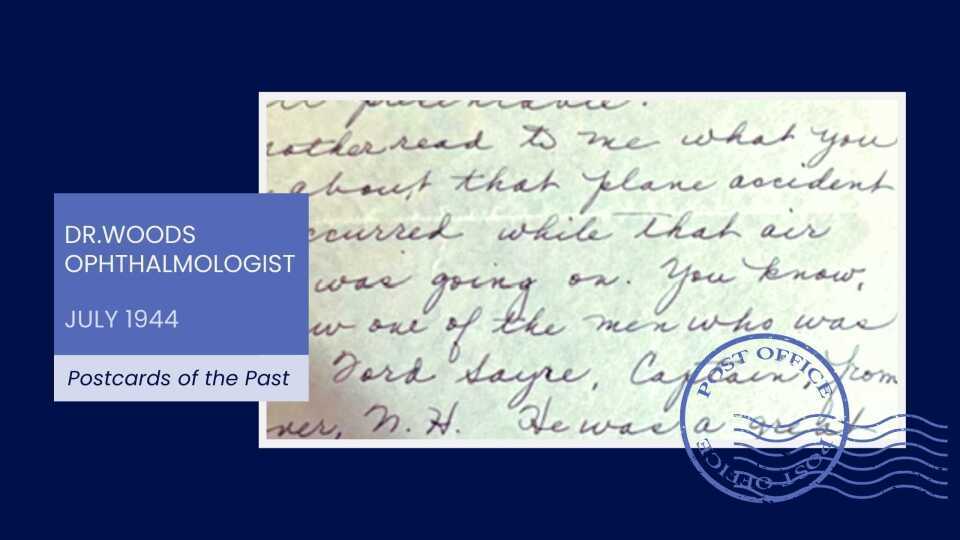
Dr. Woods – Ophthalmologist
“I would like to get you under Dr Woods who, I understand, is the head of the Wilmer Institute” Dr Alan Woods was one of the most respected ophthalmologists of the mid-20th century and a leading figure in American eye medicine. A graduate of Johns Hopkins, Woods trained under the pioneering ophthalmologist William Wilmer and went […]
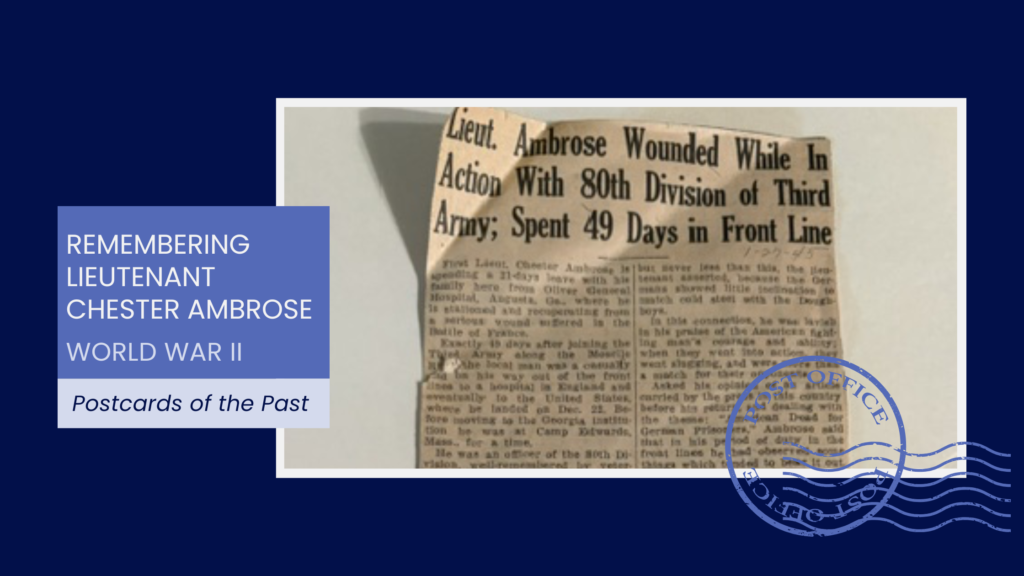
Remembering Lieutenant Chester Ambrose
As I continue sorting through the papers my parents saved, I occasionally come across newspaper clippings that offer a glimpse into the community where my father grew up. This article tells the story of Lieutenant Chester Ambrose, a teacher and athletic coach at Martinsburg High School who served with the 80th Infantry Division under General […]
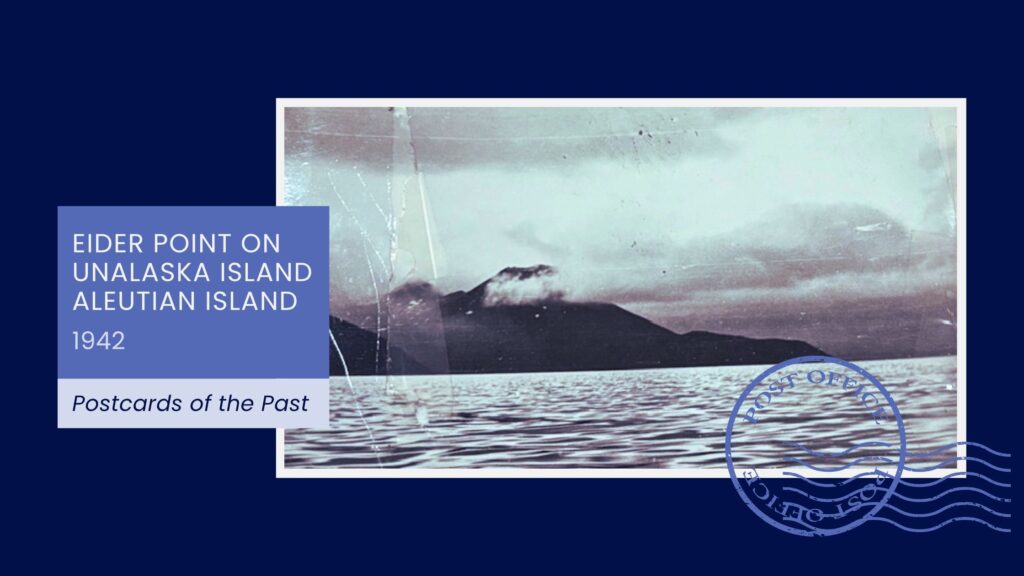
Eider Point on Unalaska Island – Aleutian Island
This photograph my father sent home is of water, land and sky and without the words on the back, I would not know where this was located. My father wrote on the back: “LOOKING FROM ISLAND AMAKNAK, DUTCH HARBOR ACROSS TO EIDER POINT ON UNALASKA ISLAND, EIDER POINT KNOWN AS FORT LEANARD OF “B” BTRY 264 CA” […]

