Henry Clay Frick House & Museum
A special place to visit in New York City is The Frick Collection. Like the Morgan Library, it reflects the vision of one of America’s great industrialists, Henry Clay Frick. Unlike many museums that were built to display art, this was Frick’s home.
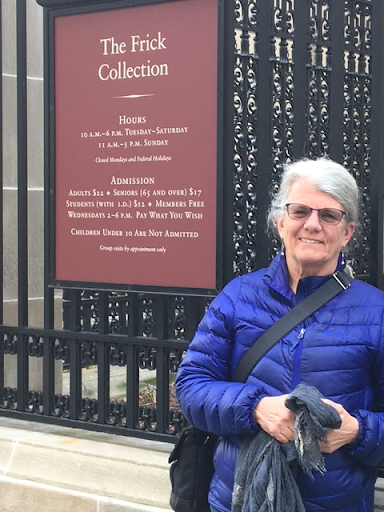
Completed in 1914, the mansion on Fifth Avenue was designed as both a family residence and a place to display his growing collection of European paintings, sculpture, furniture, porcelain, and decorative arts. Frick lived here with his family until his death in 1919. In his will, he directed that the house and much of its collection be opened to the public, allowing future generations to enjoy what had once been his private residence.
Walking through the galleries, it still feels like a home rather than a museum. The rooms are filled with masterpieces by artists such as Rembrandt, Vermeer, Turner, El Greco, and Gainsborough. The paintings remain where Frick intended them to be, creating an atmosphere that feels elegant, comfortable, and remarkably personal.
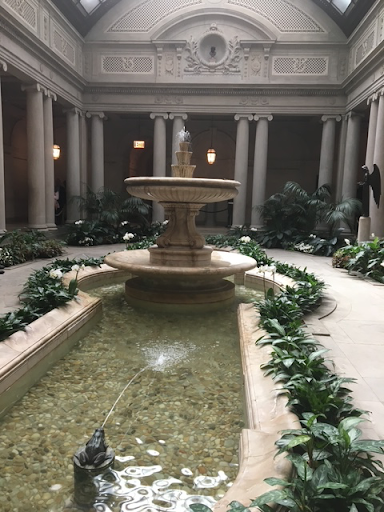
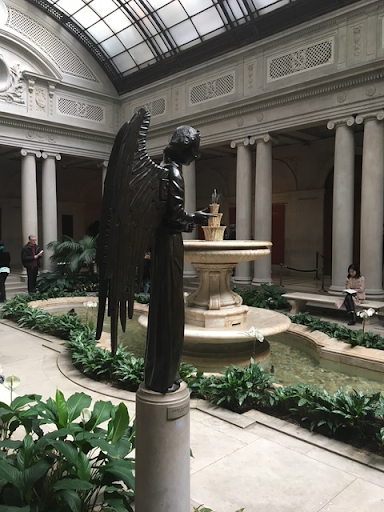
One of my favorite spaces is the Garden Court. Filled with natural light from the skylight above, the central fountain, lush plantings, and quiet atmosphere create a peaceful retreat from the busy streets of Manhattan just outside the doors.
Yet Henry Clay Frick himself was anything but a universally admired man. He made his fortune in the coke and steel industries and became Andrew Carnegie’s business partner, but his name is forever linked to the Homestead Strike of 1892. During that bitter labor dispute at Carnegie Steel, Frick hired Pinkerton guards to confront striking workers. The violence that followed left several people dead and cemented Frick’s reputation as a ruthless industrialist. Just weeks later, an anarchist entered Frick’s office and shot him twice and stabbed him in an assassination attempt. Remarkably, Frick survived, finished conducting business from his desk after receiving medical treatment, and returned to work within weeks.
This beautiful home and extraordinary art collection were built by a man whose legacy is both impressive and controversial. Like many figures of the Gilded Age, Frick helped shape America’s industrial growth while also becoming a symbol of the conflicts between wealth and labor that defined the era.
The Frick Collection reminds me that many of America’s greatest cultural institutions began as private passions. Wealth certainly made these collections possible, but it was the decision to share them with the public that transformed them into lasting gifts. Today, visitors can walk through the same halls where Henry Clay Frick and his family once lived, experiencing not only extraordinary works of art but also the complicated story of one of America’s most influential industrialists.
Read More From Nancy
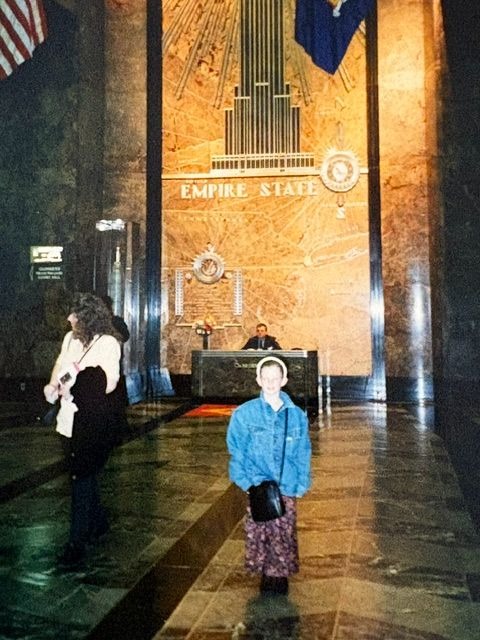
The Empire State Building Lobby
The Empire State Building’s architectural story begins at street level. Inside its Fifth Avenue entrance, polished marble, decorative metalwork, and strong geometric lines create a lobby designed to introduce visitors to one of New York’s most ambitious skyscrapers. Opened on May 1, 1931, the building reflected an era fascinated by height, speed, and technological progress. […]
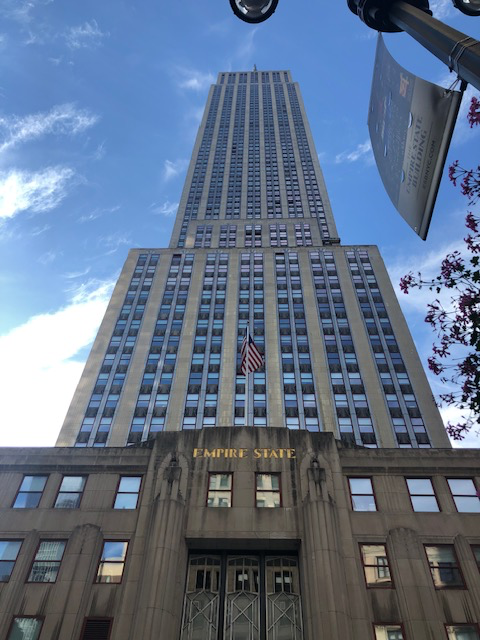
The Empire State Building
Some buildings become so familiar that we almost stop thinking about the remarkable stories behind them. The Empire State Building is one of those places. We have visited it many times over the years and have gone to the top more than once, but each time I stand at its base and look upward, its […]
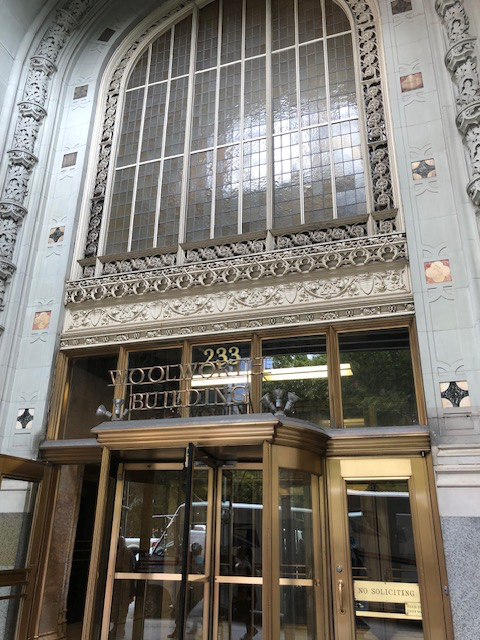
The Woolworth Building
There is so much to see and do in New York City that sometimes the buildings themselves become the destination. One day Marty and I took a tour of the Woolworth Building at 233 Broadway. I had seen its distinctive tower as part of the Manhattan skyline, but walking through its doors revealed a building […]

